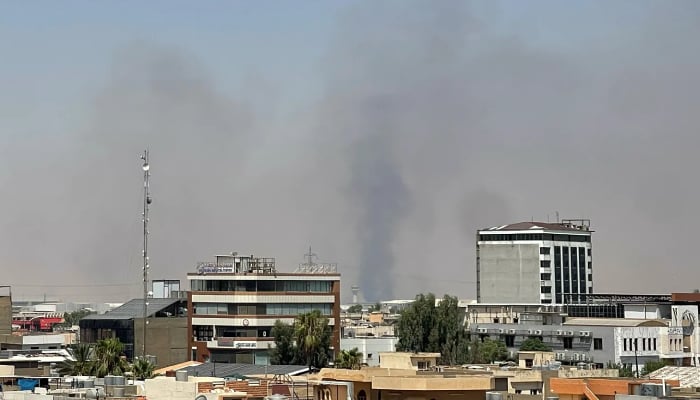
The Atlantic route to the Canary Islands doesn't forgive mistakes. When severe weather hits open ocean waters, wooden pirogues and overcrowded inflatable boats turn into floating coffins within minutes. At least seven migrants lost their lives aboard a vessel carrying 139 people as a ferocious storm battered the maritime corridor off northwest Africa.
Rescuers reached the distressed boat early on Monday, roughly 150 kilometers from Arrecife. Two bodies were pulled from the water, while five others went missing overboard during the turbulent weather conditions. Out of 139 passengers crammed onto a single boat, survival depended entirely on luck, timing, and whether rescue crews could spot a small hull tossed by mountainous waves.
The Reality of the Atlantic Storm Risk
Most people picture Mediterranean crossings when they think of maritime migration, but the Atlantic route presents an entirely different scale of danger. The distance from West African shores like Mauritania, Senegal, or Morocco to Tenerife or Gran Canaria spans hundreds of miles of open ocean.
When storms sweep through late in the year, wave heights surge dramatically. Small boats are completely unequipped to handle winds exceeding gale force.
- Overcrowding: Pirogues are loaded far beyond safe capacity, severely compromising balance when heavy swells hit.
- Hypothermia: Gale-force winds combined with freezing sea spray induce rapid body temperature drops, even in relatively mild southern waters.
- Navigation failure: Heavy rain and thick cloud cover blind crew members who rely on basic compasses or dead reckoning.
Search and rescue authorities face monumental odds when trying to locate vessels amid high seas. A small wooden hull drops into a wave trough and becomes completely invisible to radar and aircraft scanners.
Why Migrants Keep Taking the Risk
You might wonder why anyone steps onto a flimsy boat knowing the odds. The truth is simple. Desperation beats fear every single time.
Economic collapse, rising food insecurity, and political instability across parts of West Africa leave families with few viable paths forward. Smugglers exploit this vulnerability, charging exorbitant fees for passage on unseaworthy crafts. They promise safe passage, but they deliver a gamble with life and death.
European border agencies have ramped up patrols, yet the flow of departures continues unabated. Crackdowns along northern Moroccan shores simply push departure points further south into more dangerous, isolated sectors of the Atlantic coastline.
What Happens After the Rescue
When boats like this one are intercepted or saved, survivors face immediate medical crises. Dehydration, severe saltwater ingestion, and exhaustion push many to the brink of organ failure long before rescue vessels arrive.
Emergency services in the Canary Islands operate under immense strain. Local reception centers fill up fast, stretching humanitarian aid budgets and igniting fierce political debates across Spain and the broader European Union. Shelters provide temporary relief, but long-term legal limbo awaits most survivors as asylum processing drags on for months or years.
The tragedy off Arrecife is far from isolated. Until systemic drivers of migration are addressed at their root, the Atlantic corridor will continue to claim lives whenever storms sweep across the shipping lanes.