Another day, another tragedy on the frontlines that the world scrolls past too fast.
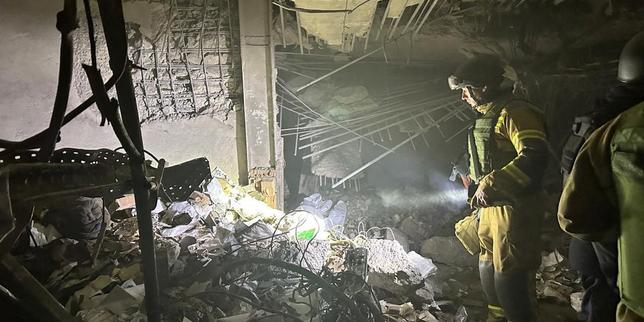
Strikes hit civilian infrastructure and residential areas in Komychouvakha with devastating force. Casualties mounted quickly. Rescue workers rushed into smoking ruins. Families once again found themselves picking through concrete dust for what remained of their lives. It's a grim cycle that has ground on for years, yet every fresh impact carries a heavy tactical and human toll that demands a closer look.
You can't understand what's happening on the ground by just glancing at a map. Komychouvakha sits in a precarious corridor where logistics dictate survival. When munitions slam into settlements like this, it isn't random chaos. It's a calculated pressure campaign designed to fracture defensive lines and break the back of local supply routes.
The Strategic Weight of Frontline Settlements
Frontline towns don't make headlines until they burn. Yet settlements like Komychouvakha act as the connective tissue for regional defense.
When supply hubs and transit points take direct hits, the ripple effect reaches far beyond the blast radius. Units holding the line rely on these exact routes for ammunition, medical evacuations, and troop rotations. Striking civilian areas near these logistics veins serves a dual purpose for attacking forces. It terrorizes remaining populations into fleeing, while simultaneously choking the administrative capacity of local authorities.
Military analysts often talk about attrition in sterile terms. They look at spreadsheets and casualty estimates. They measure success in kilometers gained or lost per week. But sitting in a basement while the ceiling shakes teaches you a different math. It's measured in seconds between incoming fire and the blast, and in the sheer exhaustion of civil defense teams who haven't slept properly in months.
Living Under Constant Fire
People are still trying to live normal lives in places where normal ceased to exist long ago.
Grocery kiosks set up behind sandbags. Makeshift medical clinics operating out of damp cellars. Neighbors sharing generators because the grid collapsed two winters ago. Human resilience is remarkable, but it has a breaking point. Every high-explosive impact pushes another family across the threshold from endurance to displacement.
The psychological toll outweighs the physical damage. Communities that survived previous offensives now face the grinding reality of continuous aerial bombardment and artillery duels. Air raid sirens no longer signal an anomaly. They're just the ambient noise of daily existence.
What Happens Next on the Eastern Front
The strike on Komychouvakha points to a broader shift in targeting patterns. As frontlines freeze and thaw in brutal cycles, both sides look for leverage wherever they can find it.
Air supremacy and long-range fires dictate the pace of modern conflict. When local defenses lack sufficient anti-air coverage, small towns pay the price. International aid packages and diplomatic summits happen thousands of kilometers away in plush European capitals. But the reality on the ground is written in rubble and smoke.
If you want to track where this war is heading, stop watching the pundits on television. Watch the supply lines. Watch the small towns that nobody outside of military command structures can pronounce. They are the true barometers of endurance.
Support local journalists and humanitarian organizations operating directly in these zones. Pay attention to independent verification groups documenting the daily human cost. Information is the first casualty, but bearing witness is the only antidote to indifference.