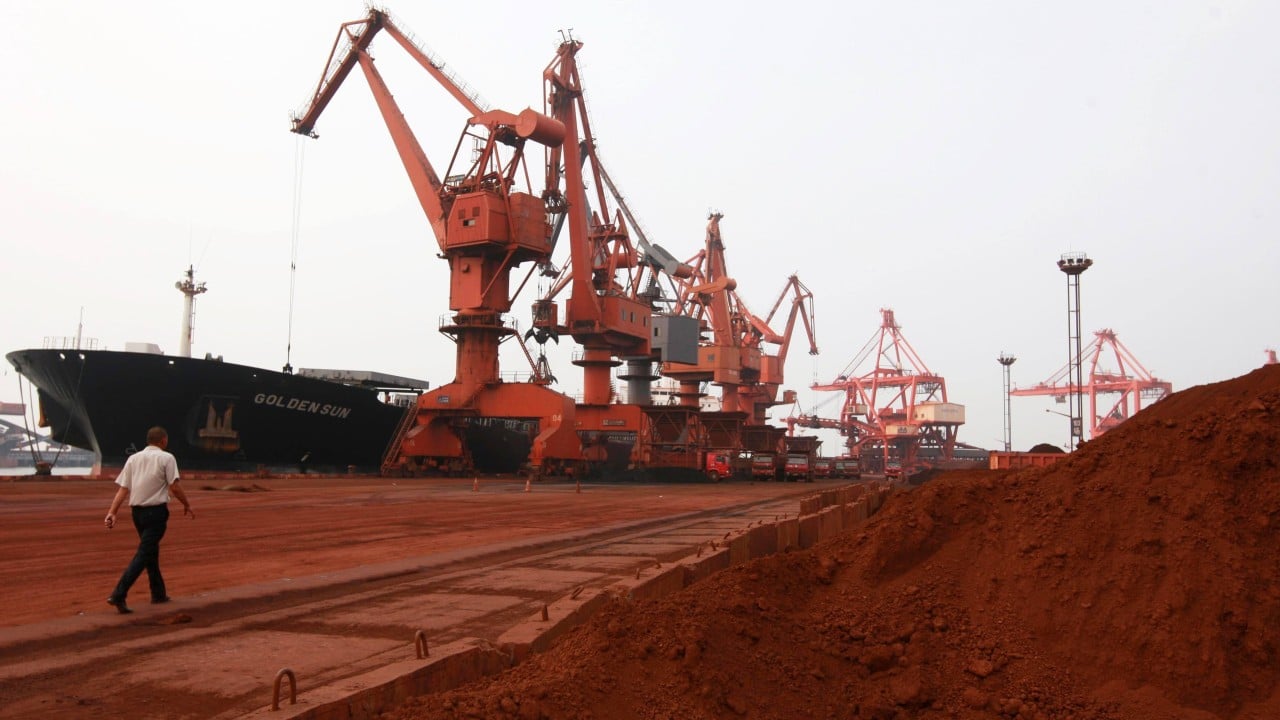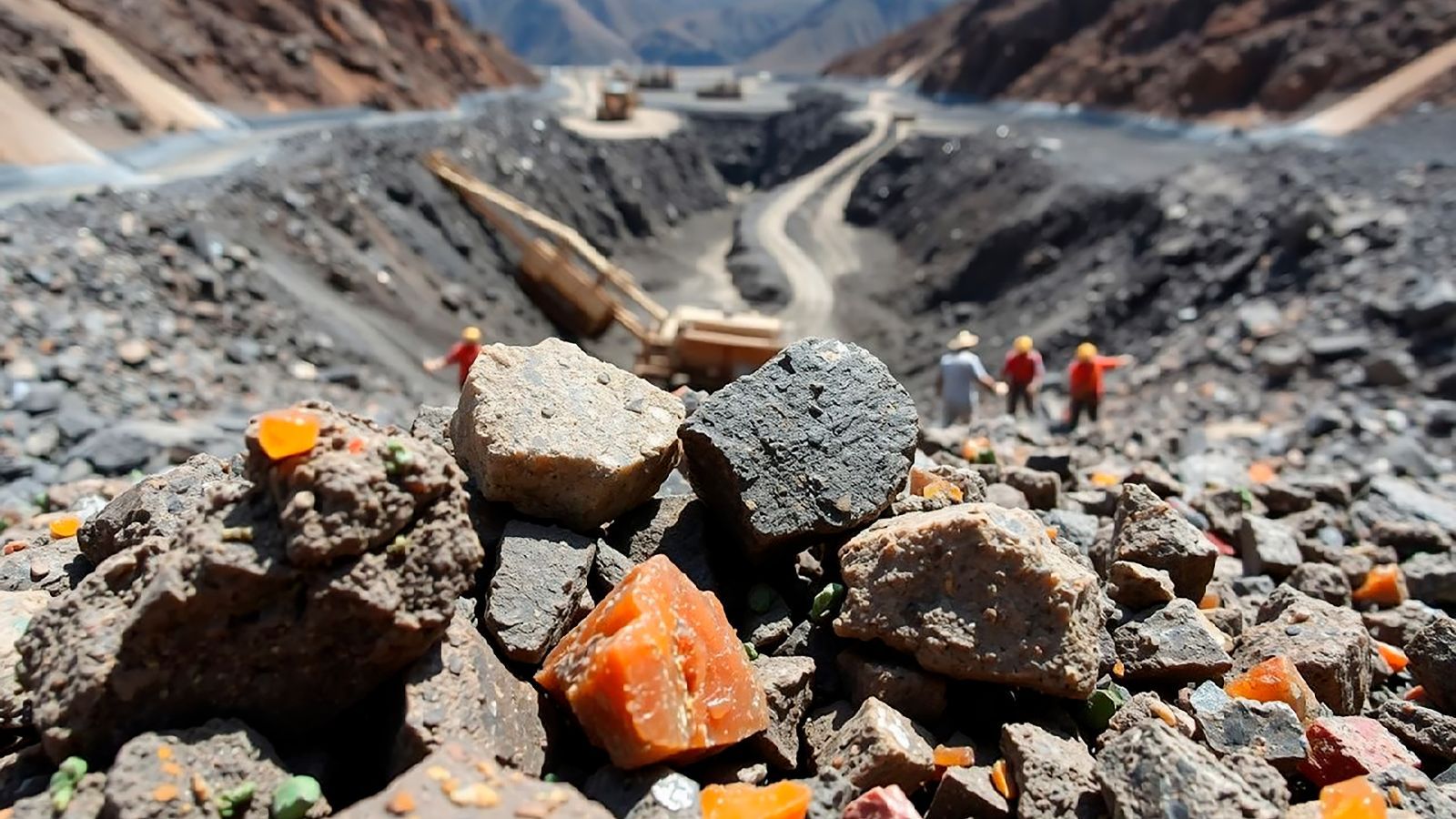
Canberra is drawing a hard line in the dirt. If you own a stake in an Australian critical minerals project, you play by local rules or you get pushed out.
The ongoing saga involving Northern Minerals and its offshore shareholders isn't just standard corporate housekeeping. It’s a loud warning shot about who gets to control the future of global technology. Australian Treasurer Jim Chalmers recently moved to freeze voting and shareholder rights for multiple China-linked investors who failed to comply with strict divestment orders. When investors ignore government mandates to sell, governments escalate. That is exactly what is happening down under.
What is Actually at Stake in the Ground
Let's look past the diplomatic noise. Why does a mid-tier mining company in Western Australia keep making international headlines?
It comes down to two specific elements: dysprosium and terbium.
Northern Minerals runs the Browns Range project. It is one of the very few heavy rare earth deposits outside of China capable of commercial production. Heavy rare earths are non-negotiable if you want to build permanent magnets that survive high temperatures.
Think about what uses those magnets:
- Electric vehicle motors
- Wind turbine generators
- Advanced defense hardware and missile guidance systems
China currently dominates the processing and extraction chain globally. Western governments spent decades outsourcing the messy, expensive work of refining elements. Now, they are panicking because they realize supply chains can be choked off overnight. Canberra is trying to claw back sovereignty before it's too late.
The Escalation Blueprint
This crackdown didn't happen overnight. It is the culmination of years of escalating friction between foreign capital and national security policies.
Back in 2023, the Foreign Investment Review Board blocked these same groups from expanding their footprint. By 2024, the government issued formal orders demanding total divestment. When several entities simply sat on their hands and refused to sell their roughly 1.7 billion shares by the mid-2026 deadlines, the Australian treasury stopped playing nice.
Freezing shareholder and voting rights creates an absolute administrative purgatory. You own the stock on paper, but you have zero voice, zero board influence, and zero ability to sway corporate direction. It forces non-compliant investors into a corner where holding the asset becomes pointless.
Critics argue that wielding national security as a broad instrument damages Australia's reputation as a stable, predictable destination for foreign money. There is truth to that tension. Global capital hates unpredictability. However, policymakers in Canberra have decided that the strategic risk of a foreign adversary controlling critical defense inputs outweighs the short-term discomfort of jittery markets.
What Happens Next for Global Supply Chains
Blocking investors won't magically build processing plants. Finding a buyer for unwanted shares in a politically contentious mine is tough. Building domestic refining facilities from scratch costs billions and takes years of environmental approvals.
Yet, the message to international markets is unmistakable. Minority stakes no longer fly under the radar. Regulators are looking deeply at beneficial ownership, complex corporate structures, and hidden proxy voting agreements. If you are parking cash in critical infrastructure sectors, expect aggressive audits and zero tolerance for non-compliance.
Sovereignty always wins over free-market purity when national security enters the chat. Keep a close eye on upcoming project financing rounds. The rules of resource extraction have permanently changed.
Australia acts to protect rare earths project from Chinese influence
This video provides a helpful overview of the Australian government's intervention and the regulatory measures taken against China-linked investors in rare earth mining projects.