The tipping point arrived quietly in August, and if you weren't paying attention, you missed the old guard losing its crown. For the first time in Australian history, monthly sales of pure battery electric vehicles outpaced standalone petrol-powered cars.
Over 27,000 EVs hit Australian roads last month, capturing a staggering 24.9% market share. When you lump plug-in hybrids and conventional hybrids into that mix, electrified powertrains command well over half of all new car sales. Combustion engines are officially the underdogs.
For years, critics claimed Australia's massive distances and sparse population made the transition impossible. They trotted out tired lines about range anxiety and political scare campaigns claiming clean car rules would ruin weekend road trips. Australians ignored the noise. They looked at their weekly fuel bills, looked at surging international oil shocks driven by conflicts abroad, and voted with their wallets.
What Actually Drove the Shift
You can talk about climate targets all day, but money dictates car sales. International crude prices spiked hard, turning everyday commutes into an expensive chore. Filling up a traditional tank started burning a massive hole in household budgets.
At the same time, policy alignment finally caught up. The federal government’s New Vehicle Efficiency Standard forced manufacturers to clean up their fleets or face penalties. That mandate changed import strategies overnight. Instead of dumping high-emission leftovers onto Australian docks, global automakers redirected a flood of affordable, high-tech options down under.
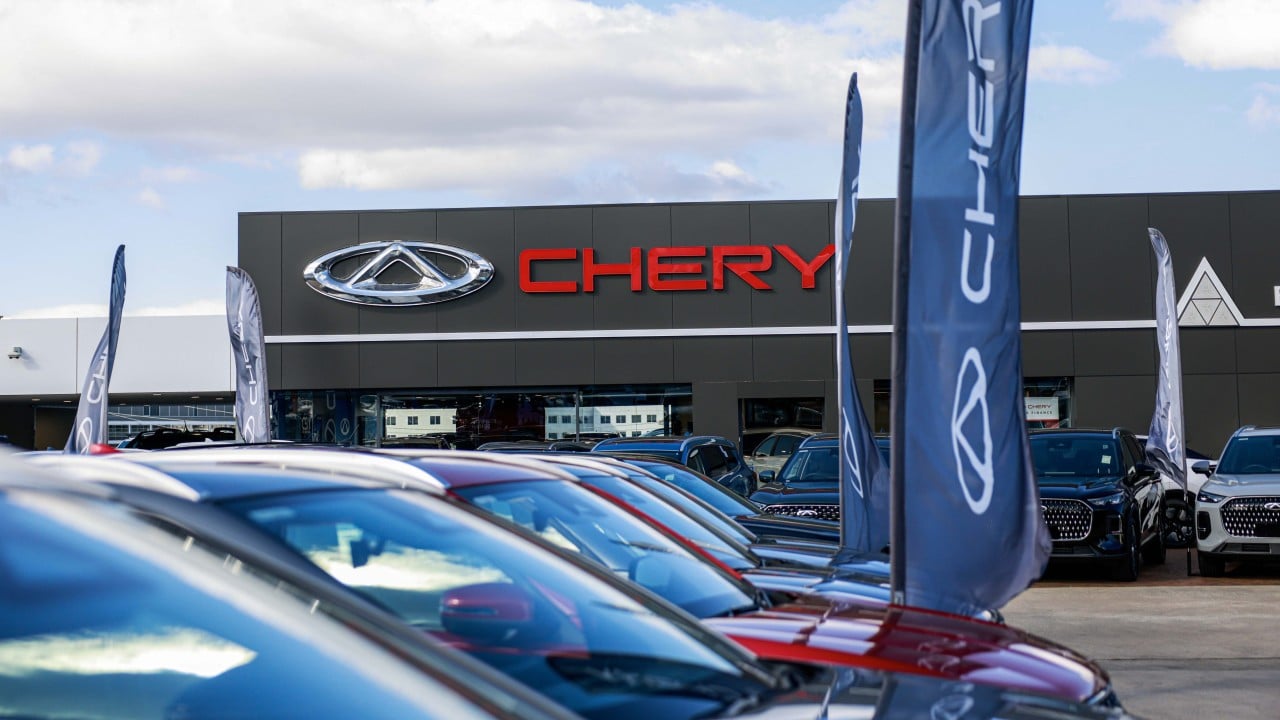
Chinese brands capitalized instantly. Brands like BYD, GWM, MG, and Geely flooded the market with competitive pricing. They stripped away the luxury price tag that once defined electric driving. When a sleek mid-size SUV costs roughly the same as a petrol equivalent to buy and pennies to run, the purchasing decision becomes straightforward.
The Numbers Behind the Shock
Let’s look at the hard data from August. Pure battery electric vehicles cleared nearly 26,000 sales, leaving pure petrol models trailing behind at roughly 26,000 and diesel dropping to 23,600. Tesla's Model Y remained a dominant force with over 6,400 units sold, but challengers like the Geely EX5 and BYD's Sealion lineup posted massive triple-digit growth percentages.
Outer-suburban postcodes are actually leading this charge. Areas like Tarneit, Werribee, and Kellyville top the list for electric vehicle uptake, fueled heavily by fringe benefits tax exemptions known as the Electric Car Discount. Analysis from the National Automotive Leasing and Salary Packaging Association shows working drivers utilizing these fringe benefit breaks are projected to save tens of millions of dollars this year alone. People aren't buying these cars to save the planet. They are buying them because the math makes sense.
Overcoming Infrastructure Hurdles
Skeptics love pointing out that charging infrastructure remains patchy outside major capital cities. They aren't entirely wrong. Drive deep into regional routes, and finding a fast, reliable plug still requires planning.
Yet, the market is forcing rapid adaptation. Charging networks are expanding along key freight and holiday corridors because operators smell profit. Home charging remains the secret weapon for most owners anyway. Wake up, unplug a full battery, and skip the service station entirely. If you own a house with a driveway or access to apartment-level charging solutions, the daily inconvenience of petrol stations vanishes.
Of course, challenges remain for renters and high-density apartment dwellers. Solving that hurdle is the next logical step for property developers and local councils. Ignore it, and you alienate a huge chunk of the housing market.
Where the Market Goes From Here
The era of combustion dominance isn't just fading; it's collapsing under its own weight. Monthly data fluctuates, but structural shifts don't reverse course. Once consumers experience cheaper maintenance, silent acceleration, and immunity from global fuel spikes, they rarely go back to burning dinosaur juice.
If you are currently holding onto an older petrol car waiting for electric prices to drop further, look closely at what happened in August. The supply is here, the prices are competitive, and the savings are real. Stop waiting for a distant future that has already arrived in your local showroom. Evaluate your driving habits, run the numbers on a salary-packaged lease, and take a test drive this weekend.