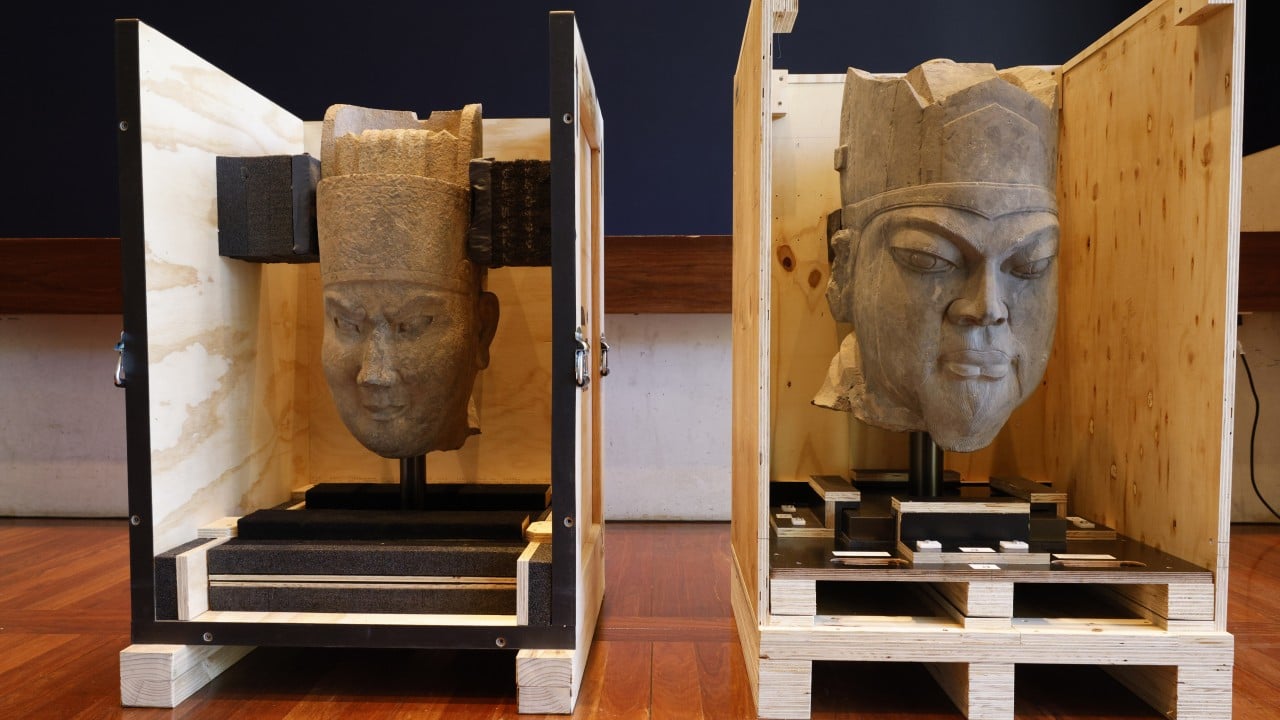
International diplomacy isn't always about trade tariffs or defense pacts. Sometimes, it looks like two limestone heads from the Northern Song Dynasty changing hands inside a modern Canberra art gallery.
The National Gallery of Australia officially handed back two ancient Chinese stone statue fragments during a ceremony attended by cultural officials. These weren't random pieces of rock. They represent centuries of history, originating from imperial tombs in central China's Henan Province before winding up thousands of miles away from home.
If you've ever wondered how scattered antiquities make their way back to their countries of origin, this case provides a clear look at modern cultural repatriation. It shows how museums, foreign governments, and heritage administrations handle historical grievances without blowing up diplomatic ties.
The Journey Back Home
At 2:52 p.m. local time on a Wednesday inside the National Gallery of Australia, directors and heritage representatives finalized the transfer. Tang Wei, deputy director of China's National Cultural Heritage Administration, accepted the artifacts and presented a certificate of appreciation to Nick Mitzevich, director of the National Gallery of Australia.
The objects themselves are striking pieces of historical masonry. One is the head of a military official statue, and the other depicts a civil official. Both date back to the Northern Song period, spanning from 960 to 1127. Limestone carvings from this era are exceptionally rare, carrying immense archaeological value that sheds light on ancient burial practices and imperial sculpture traditions.
China formally requested the return of these artifacts in 2025, backed heavily by provincial authorities in Henan who verified their provenance. Rather than getting bogged down in protracted legal battles or public posturing, the two institutions worked through diplomatic and cultural channels to finalize the handover.
Why Museums Are Rethinking Foreign Collections
For decades, major Western galleries acquired antiquities through murky international art markets with few questions asked about provenance. You can't get away with that anymore. Public pressure, ethical standards, and stricter international agreements have forced institutions to look closely at what sits in their basements and display cases.
The National Gallery of Australia's decision to return these limestone heads highlights a broader shift in how cultural institutions view stewardship. Owning looted or illicitly exported heritage is becoming a liability rather than a badge of prestige. Museums now realize that true authority comes from transparent cooperation with source countries rather than holding onto disputed items.
This handover doesn't happen in a vacuum. Over the past few years, a steady stream of artifacts has made its way back to Beijing. The United States returned dozens of cultural relics and fossils, Italy handed back 56 lost items, and the Manhattan District Attorney's office has routinely facilitated the return of smuggled Chinese antiquities.
What Happens Next to the Restored Relics
When high-profile artifacts return home, they don't just go back on a shelf. They undergo rigorous conservation assessment, scientific testing, and historical cataloging. For these two statue heads, returning to Henan Province means reuniting them with the broader historical context of the region's imperial tombs.
If you're tracking international art law or cultural property rights, keep an eye on how bilateral agreements shape future returns. Countries losing heritage decades ago are now equipped with better databases, legal frameworks, and political leverage to reclaim what was taken.
Check your local museum's provenance policies if you want to understand how deep these changes go. Transparency reports are becoming standard practice for any gallery worth visiting.