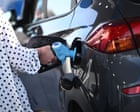
If you thought your budget was finally catching a break this winter, the economic forecast for August just tossed a massive bucket of ice water on that hope. Australian households are staring down the double barrel of a potential Reserve Bank interest rate hike and petrol prices charging past $2 a litre.
It feels like a sick joke after months of battling elevated living costs. Yet, looking at current financial market movements, the odds of another cash rate increase at the August 11 RBA meeting have jumped to an even 50-50 bet. At the same time, global energy shocks are trickling right down to your local bowser.
Here is what is actually going on behind these numbers, why the safety net is vanishing, and what you can do right now to shield your household finances.
The Perfect Storm Driving Up Fuel and Mortgage Costs
Why are both mortgage rates and bowser prices threatening to spike at the exact same moment? It comes down to a lethal combination of global military conflict, depleted energy reserves, and an unexpectedly stubborn domestic economy.
Global oil benchmarks tell the story best. International Brent crude spiked roughly 37% in recent weeks, pushing past $US100 a barrel.
Three massive global pressure points are driving this surge:
- The Escalating US-Iran War: Hostilities in the Middle East have entered a far more volatile phase, directly threatening major oil shipping lanes.
- Red Sea Transit Blockades: Houthi attacks on Saudi Arabian shipping continue to disrupt oil tankers trying to move through critical maritime choke points.
- Targeted Energy Infrastructure Attacks: Ukrainian drone strikes on Russian refining facilities have further squeezed global supply.
Warwick McKibbin, director of the Centre for Applied Macroeconomic Analysis at the Australian National University, recently warned that elevated crude oil prices are likely here to stay for at least a year. Strategic oil reserves worldwide—particularly in the US—have already been drained to cushion previous shocks, leaving zero margin for error.
At home, the timing couldn't be worse. The federal government's temporary fuel excise relief is scaling down, adding roughly 16 cents per litre back onto prices. Motormouth data shows average unleaded prices already jumped from $1.50 per litre to $1.80 in July, making the push past $2 a litre in August almost inevitable.
Global Crude Spike (Brent > $US100)
  + Fuel Excise Relief Ending (+16c/L)
  =====================================
  --> $2.00+ Petrol at Australian Bowsers
Why the Reserve Bank Might Hike Interest Rates Again
You might wonder why the RBA would consider raising interest rates when families are already bleeding cash at the petrol pump. Wouldn't higher fuel costs naturally force people to cut back spending anyway?
In theory, yes. In practice, the central bank worries about secondary inflationary effects.
When transport costs explode, everything that travels on a truck gets more expensive—groceries, building materials, clothing, and hardware. That feeds directly into underlying inflation figures.
The Strong Labour Market Paradox
The RBA's headache isn't just about imported oil shocks. Australia's domestic economy remains surprisingly hot.
The latest Australian Bureau of Statistics labor force report showed the economy added more than 76,000 jobs in June alone. A resilient job market is usually cause for celebration, but for RBA board members trying to cool down inflation, it signals that consumer demand isn't dropping fast enough.
When unemployment stays low and job growth remains robust, workers have more leverage to bargain for higher wages. If wage growth accelerates while fuel and energy costs surge, the risk of a wage-price spiral increases dramatically. That is precisely what bond traders are pricing in as they bet on a fourth cash rate hike for 2026.
What a Rate Increase Means for Your Monthly Mortgage Repayments
If the RBA increases the cash rate by another 25 basis points in August, commercial banks will pass that full increase on to variable rate home loans within days.
For a family carrying a $500,000 mortgage, a 0.25% rate increase adds roughly $75 to $80 to monthly repayments. On a $1,000,000 loan, that jump is closer to $150 to $160 a month.
Combine that extra mortgage hit with an extra $30 to $40 a month spent filling up a standard 50-litre car tank, and typical suburban families are looking at an unbudgeted cash drain of $200 or more every single month.
| Household Loan Amount | Estimated Monthly Repayment Increase (0.25% Hike) | Estimated Extra Monthly Petrol Cost | Total Combined Monthly Blow |
|---|---|---|---|
| $500,000 | ~$76 | ~$35 | ~$111 |
| $750,000 | ~$115 | ~$35 | ~$150 |
| $1,000,000 | ~$155 | ~$35 | ~$190 |
Misconceptions About the August Inflation Outlook
A lot of economic commentary circulating right now gets a few key things wrong. Clearing up these misunderstandings will help you make better financial choices over the next few months.
Myth 1: High petrol prices automatically replace the need for RBA rate hikes
Many people assume that because fuel eats up disposable income, the central bank will sit on its hands. History shows otherwise. If underlying inflation—what the RBA calls the "trimmed mean"—stays sticky due to services and housing costs, the board will prioritize crushing headline inflation expectations over short-term household comfort.
Myth 2: A ceasefire in the Middle East will instantly drop petrol back to $1.50
Oil traders trade on futures, but physical supply chains take months to rebalance. Refineries have shifted production, global shipping routes have been altered around Africa, and depleted strategic reserves must be refilled. Even if geopolitical tensions ease tomorrow, pump prices will lag behind for months.
Myth 3: Fixed rate home loans offer total immunity
If your fixed-rate mortgage is ending anytime in late 2026 or early 2027, you are heading straight toward a significant rate cliff. Refinancing conditions are tightening, and serviceability buffers applied by lenders mean qualifying for a new loan is harder today than it was two years ago.
Actionable Steps to Protect Your Household Budget Right Now
Waiting around to see what the RBA does on August 11 is a risky strategy. You can take immediate, practical steps today to buffer your finances against $2+ fuel and higher interest rates.
1. Audit Your Variable Mortgage Rate Today
Do not assume your current lender is giving you their best rate. The gap between what banks charge existing customers versus new applicants can be up to 0.50%.
- Call your bank's retention department directly.
- Quote competitor rates from smaller lenders or credit unions.
- Ask specifically for a rate review based on your current loan-to-value ratio.
- If your loan is under 80% of your property's value, push hard for a discount.
2. Lock In Savings Account Promotional Yields
While rate hikes hurt borrowers, they benefit savers. If you keep emergency reserves in cash, make sure you aren't leaving money on the table. High-bonus savings accounts are currently offering yields above 5.50% p.a., provided you hit monthly deposit conditions. Shift excess cash out of standard transaction accounts immediately.
3. Change How You Buy Fuel
Petrol price cycles in major capital cities like Sydney, Melbourne, and Brisbane follow predictable swings that span three to five weeks.
- Use fuel tracking apps like FuelCheck (NSW), MotorMouth, or 7-Eleven Fuel Lock to lock in prices when a cycle hits its bottom.
- Fill up completely at the lowest point of the cycle rather than topping up $20 at a time when prices peak.
- Explore commuter discounts through health insurance programs, supermarket shopper dockets, or roadside assistance memberships, which routinely shave 4c to 8c per litre off the total.
4. Adjust Household Buffer Accounts
If you run an offset account or redraw facility, direct every spare dollar into it right now. Money sitting in an offset account saves you interest at your home loan's marginal rate, tax-free. Building up your offset balance today provides an immediate cash buffer if your required minimum repayments rise next month.
Review your fixed expenses today, lock in cheaper fuel rates using tracking tools before the next price cycle peaks, and phone your lender to demand a rate discount before the RBA makes its next move.