That pre-washed bag of romaine sitting in your fridge might look like a shortcut to a healthy dinner, but right now, it is a gamble you probably do not want to take.
Michigan is currently staring down an unprecedented health crisis. What started as a small, localized cluster of stomach bugs in Southeast Michigan has exploded into a massive, statewide foodborne illness outbreak. Over 2,640 people have fallen ill with cyclosporiasis, a nasty diarrheal disease caused by a microscopic parasite.
State health officials have pointed a finger directly at lettuce and salad greens as the primary suspects.
Normally, Michigan sees maybe 40 to 50 cases of this infection in an entire year. To see thousands of cases crop up in a matter of weeks is not just unusual; it is a full-blown emergency. The supply chains that bring fresh produce to our grocery stores and restaurants are incredibly complex, and finding the exact source is proving to be a nightmare for investigators.
Here is what is actually going on, why your kitchen safety habits are probably not enough to protect you, and what you need to do to keep your family safe.
The Insane Scale of the Michigan Outbreak
This outbreak did not just trickle in. It hit like a freight train.
In late June, the Monroe County Health Department noticed a small cluster of cases. By June 30, the statewide count was at 170. Within nine days, that number climbed to 1,251. By July 13, the Michigan Department of Health and Human Services (MDHHS) confirmed that the total had soared to 2,640 cases.
The geographic footprint is massive. Cases have now been reported in 55 Michigan counties, along with the city of Detroit. Southeast Michigan is taking the hardest hit. If you live in Monroe, Washtenaw, Lenawee, Wayne, Oakland, Macomb, or Livingston counties, you are living right in the hot zone.
It is not just a Michigan problem, either. The outbreak is spilling over state lines. Neighboring states like Ohio, Indiana, Illinois, and even states further away like Texas and New York are reporting surges. Northwest Ohio alone has recorded hundreds of cases, with Lucas County heavily impacted. Dr. Brian Kaminski, a medical director who treats patients in both Michigan and Ohio, noted that this has quickly evolved into a massive regional epidemic cluster.
Why Washing Your Salad Won't Save You
Most people think that if they run their lettuce under the tap for a few seconds, they are safe from foodborne illness.
That is a dangerous myth.
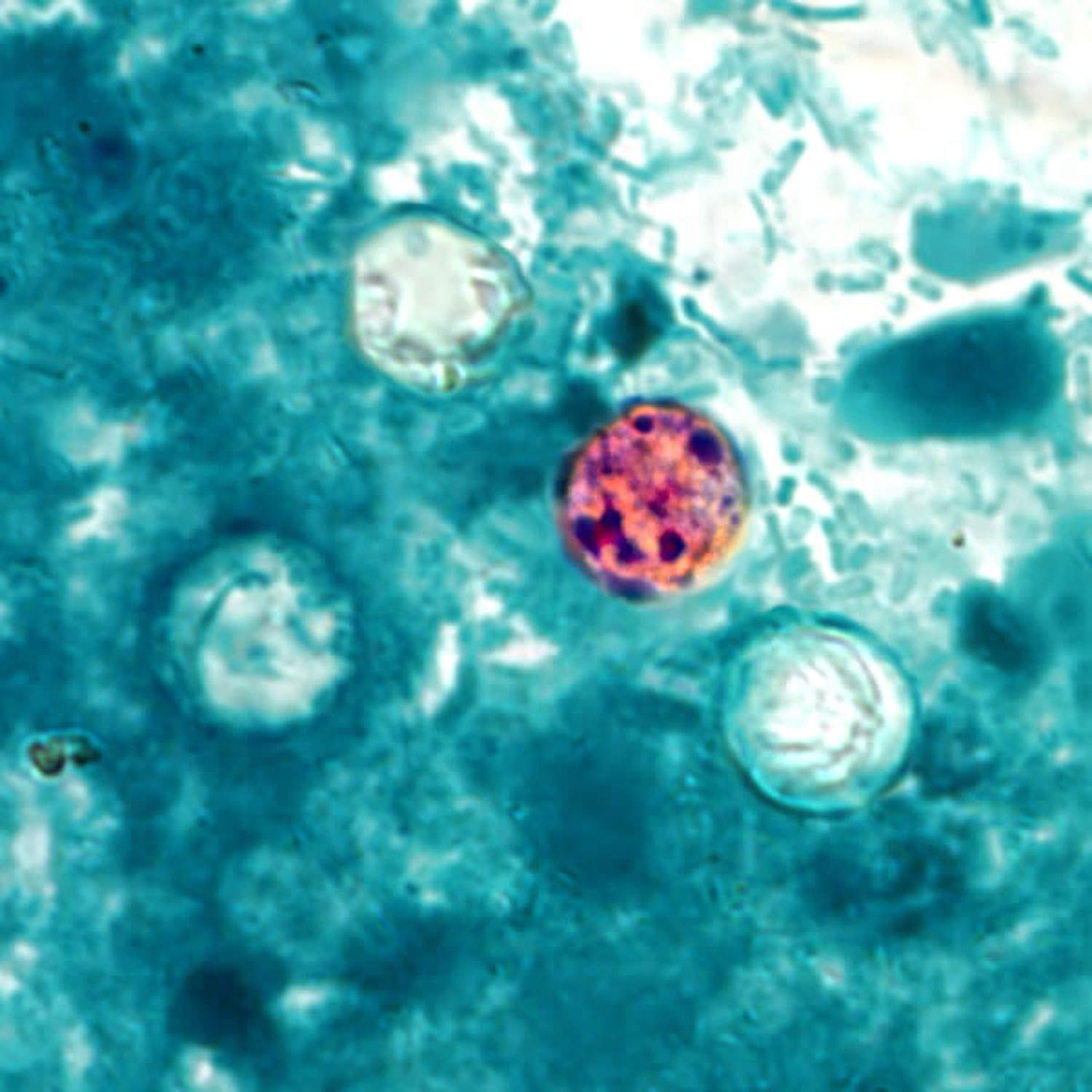
Cyclospora cayetanensis is not a bacteria like E. coli or Salmonella. It is a single-celled parasite. When it is in the environment, it is wrapped in a tough, protective shell called an oocyst. This shell makes the parasite incredibly tough.
Commercial salad processing facilities wash greens in chlorinated water, but chlorine does not phase Cyclospora. The chemical disinfectants used to sanitize packaged salads simply do not kill this parasite.
When you try to wash it off at home, you run into physical limitations. Leafy greens have millions of microscopic nooks, crannies, and rough surfaces. The parasite clings tightly to these surfaces. If a leaf is slightly bruised or cut, the parasite can settle deep inside the tissue. Running cold water over the leaf will not dislodge it.
You can wash your pre-packaged salad three times at home and still ingest enough parasites to make you violently ill for weeks.
The Stealth Parasite and Its Confusing Symptoms
One of the worst things about Cyclospora is how long it takes to show its face.
The incubation period is incredibly long. After you swallow the parasite, it can take anywhere from two days to two full weeks for symptoms to start. Usually, the first signs appear about a week after exposure.
This delay creates a massive headache for public health investigators. If you get sick today, epidemiologists have to ask you what you ate, where you shopped, and what restaurants you visited up to six weeks ago. Most of us cannot remember what we had for dinner last Tuesday, let alone a month ago.
When the illness finally hits, it does not hold back. The symptoms include:
- Frequent, highly watery, and often explosive diarrhea
- Severe bloating, gas, and stomach cramps
- Loss of appetite and rapid weight loss
- Extreme fatigue that leaves you bedridden
- Nausea, body aches, and a low-grade fever
The hallmark of cyclosporiasis is its relapsing nature. You might feel terrible for four days, start to feel better, and think you have finally beaten it. Then, a day later, the watery diarrhea returns with a vengeance. Without proper medical treatment, this exhausting cycle of recovery and relapse can drag on for months.
While it is rarely fatal, the sheer volume of fluid loss can quickly land you in the emergency room. Dehydration is a very real threat, particularly for toddlers, senior citizens, and anyone with a compromised immune system.
How to Protect Yourself Without Starving
You do not have to stop eating vegetables entirely, but you do need to change how you buy and prepare them until this outbreak is resolved.
MDHHS and local health departments are begging residents and commercial kitchens to modify their produce habits. Since investigators have not yet identified a specific brand, grower, or distributor, you have to treat all raw salad greens with caution.
Ditch the Bags
Stop buying bagged salad mixes, salad kits, and pre-cut lettuce blends. These products pool greens from multiple different farms and processing lines. If one single farm has a contamination issue, it can end up contaminating thousands of bags distributed across multiple states.
Buy Whole Heads
Instead of pre-cut bags, buy whole heads of lettuce. When you get them home, peel off and discard the outer two to three layers of leaves entirely. This is where dirt and contaminants are most likely to settle. Wash the remaining inner leaves individually under cold, fast-running water.
Cook Your Greens
It sounds weird to cook lettuce, but heat is the only sure way to destroy the parasite. Cooking greens to an internal temperature of at least 158 degrees Fahrenheit (70 degrees Celsius) will kill Cyclospora. If you are making a dish that allows for cooked greens, do not skip this step.
Beware of Other Culprits
While lettuce is the primary focus of the current Michigan investigation, Cyclospora has historically loved other types of fresh produce. In past outbreaks across the US and Canada, the parasite was traced back to:
- Fresh cilantro
- Fresh basil
- Raspberries and blackberries
- Snow peas
- Green onions
If you are using these ingredients raw, wash them vigorously under running water, scrub firm surfaces, or choose to cook them.
What to Do If You've Already Eaten Contaminated Greens
If you recently ate salad and are now experiencing relentless, watery diarrhea, do not just wait it out.
Normal food poisoning often clears up on its own with rest and hydration. Cyclosporiasis usually does not.
Your first step should be calling your primary care doctor. But you must be specific. Normal stool tests ordered by clinics look for common bacteria and viruses; they do not automatically look for Cyclospora. You need to explicitly tell your doctor about the active Michigan Cyclospora outbreak and request a specific PCR test or an ova and parasite test that screens for this organism.
If you test positive, do not expect standard food poisoning advice. Doctors treat this specific parasitic infection with a strong course of antibiotics, typically trimethoprim-sulfamethoxazole, commonly known by the brand names Bactrim or Septra.
If you have a sulfa allergy, make sure your doctor knows. The alternative treatments are less common and require careful management.
While you wait for your test results and prescription, focus entirely on hydration. Sip electrolyte solutions, broths, and water. Avoid sugary drinks and dairy, which can make diarrheal symptoms worse.
This outbreak is still growing. Until health officials can trace the contaminated supply chain back to its source and pull the tainted products from store shelves, your safest bet is to steer clear of the salad bar and keep a very close eye on what you put on your plate.