Truth moves slowly when the state is built to bury it. More than a decade after 43 students vanished into the dark corners of Iguala, Mexico, accountability has finally caught up with one of the region's most powerful former figures.
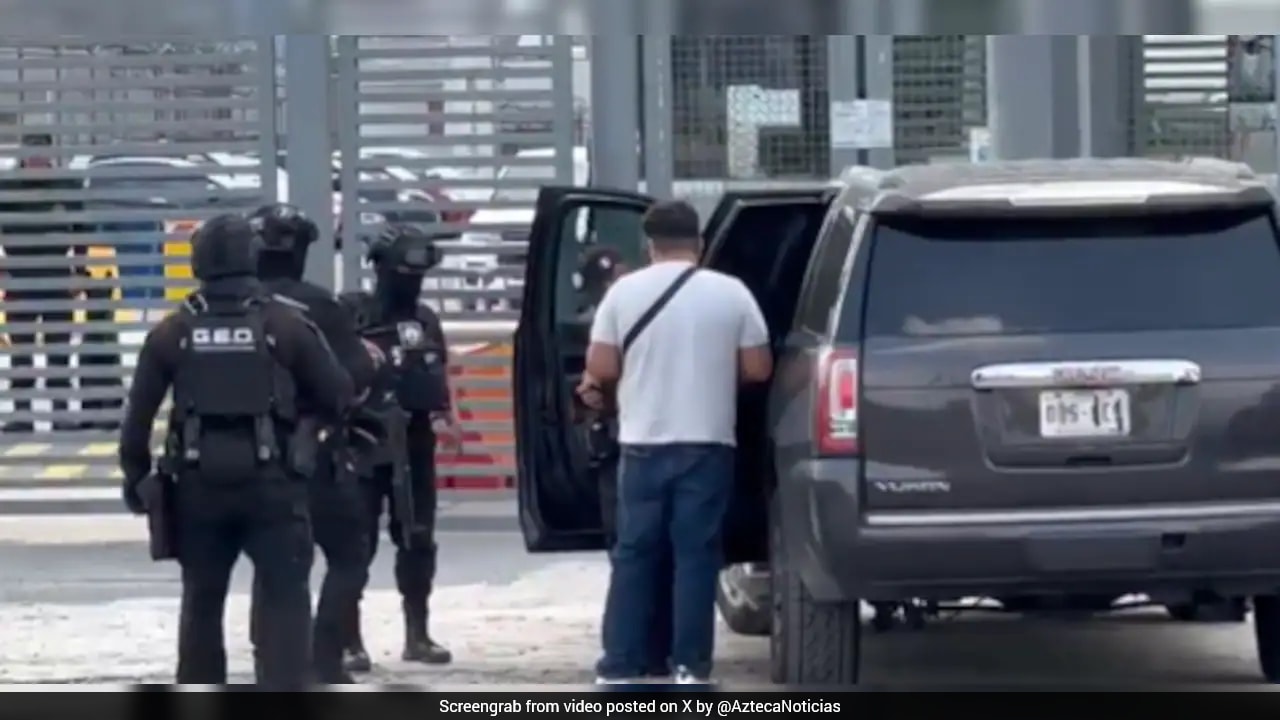
Federal prosecutors recently arrested Ángel Aguirre, the former governor of Guerrero, landing a massive blow against a decade of institutional silence. If you have followed the Ayotzinapa Rural Teachers' College tragedy, you know that arrests at the top used to feel impossible. Now, the narrative is shifting from structural impunity to hard reckoning. If you enjoyed this post, you should check out: this related article.
What Actually Happened to the Ayotzinapa Students
On the night of September 26, 2014, student teachers from Ayotzinapa commandeered buses in Iguala to travel to a protest. Local municipal police intercepted them in a coordinated attack. Six people died that night, and 43 students disappeared. They vanished entirely.
For years, official investigations peddled a neat, tidy fiction known as the historical truth. That version claimed corrupt local cops handed the students over to a local cartel, who allegedly incinerated their bodies at a garbage dump and tossed the remains in a river. Independent experts, forensic teams, and international human rights investigators tore that theory apart almost immediately. It was full of holes, manufactured testimonies, and forced confessions. For another look on this development, check out the recent update from BBC News.
The real horror wasn't just rogue cartel violence. It was a complete web of state collusion involving municipal police, state actors, federal forces, and the military.
Why the Arrest of Ex-Governor Ángel Aguirre Changes the Game
Aguirre resigned in October 2014, just weeks after the disappearances, buckling under massive public fury. For years, he walked free while low-level foot soldiers and corrupt cops took the fall.
That changed when federal authorities surfaced hard proof of a deliberate sabotage operation. According to Mexico's Attorney General Office, newly analyzed testimonies and evidence proved that Aguirre didn't just look the other way. He actively commanded it.
Investigators found that security cameras outside the Palace of Justice captured exact moments of police aggression against the students. When officials requested those recordings, Aguirre directly ordered high-level state actors to suppress, hide, and destroy the footage. This wasn't an administrative oversight. It was a malicious, top-down cover-up executed by the state executive branch to protect institutional reputations at the expense of human lives.
The Broader Cleanup of Corruption
Aguirre isn't the only high-ranking official to face handcuffs. Prosecutors previously hauled in former federal Attorney General Jesús Murillo Karam, the architect of that original fraudulent narrative, slapping him with charges of forced disappearance, torture, and obstruction of justice.
When leadership changes, political winds shift. Under current administration priorities, investigators reopened stagnant files and ignored angles. They are looking directly at military complicity and executive suppression.
Yet, for the families of the 43, legal wins bittersweetly underscore a lingering agony. Only bone fragments belonging to three of the students have ever been positively identified. The rest remain missing. The exact motive remains tangled in local heroin trafficking routes and corrupt municipal politics. Accountability at the top is vital, but closing the loop on a decade of pain requires finding where the remaining students went.
Stop expecting justice to move quickly when systems protect themselves. Keep watching how these high-profile prosecutions unfold because they set the baseline for how modern governments handle state-sponsored crimes. Demand transparency, look past official press releases, and remember that buried evidence always leaves a trace if you look hard enough.