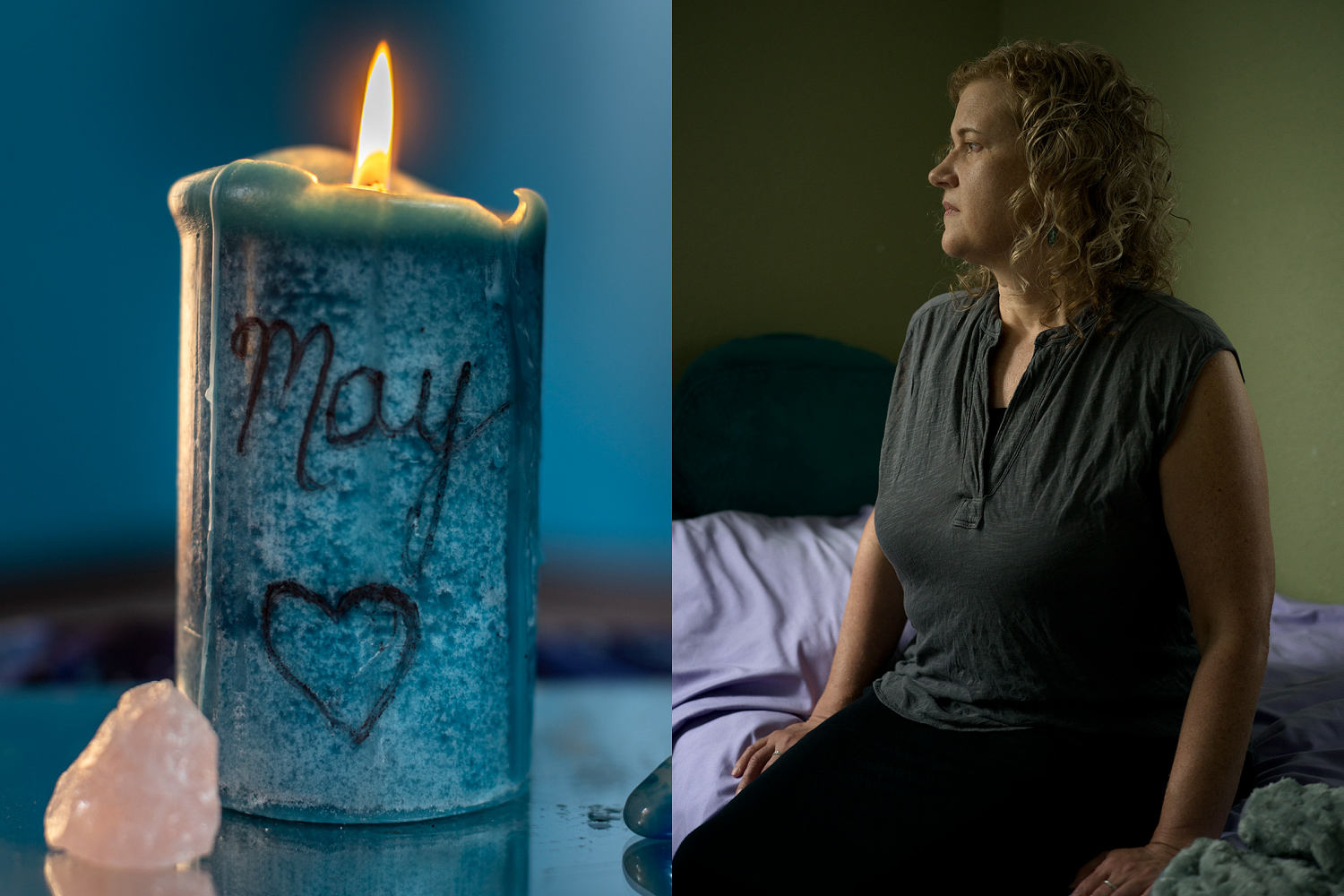
Idaho state politicians spent years passing some of the most aggressive restrictions on transgender youth in the country. They banned gender-affirming medical care, barred trans students from bathrooms matching their gender identity, and even restricted updating birth certificates. Lawmakers promised these policies would protect families. They claimed they were keeping kids safe.
They were wrong. The real-world outcome has been devastating. In other developments, read about: Why The Middle East Cannot Shake The Kurdish Conflict.
Earlier this year, a young transgender student who was a plaintiff in a major federal lawsuit challenging Idaho’s school bathroom restrictions died by suicide. The lawsuit, Sexuality and Gender Alliance v. Critchfield, fought against Senate Bill 1100, a law requiring public school students to use restrooms corresponding to their birth sex. For the youth stuck in the middle of these legislative battles, the pressure is not abstract. It is a matter of survival.
The human toll of Idaho anti-trans laws
When politicians use vulnerable teenagers as props for culture war campaigns, the psychological fallout is immediate. Trans youth in Idaho face a hostile environment at school, online, and in their own communities. Associated Press has also covered this fascinating subject in great detail.
Data shows how bad things have gotten. According to a statewide report by The Trevor Project, 43% of transgender and nonbinary youth in Idaho seriously considered suicide over a twelve-month period. Even worse, 15% actually made an attempt. These numbers do not happen in a vacuum. They are a direct reflection of a climate where a young person's basic identity is constantly debated on the house floor.
The tragedy involving the Critchfield plaintiff highlights the immense weight these kids carry. Imagine being a teenager and having your right to use a school bathroom turned into a high-profile federal court battle. Your daily life becomes a legal brief. State attorneys even used heavily contested, unproven high school gossip to argue that transgender students pose a inherent danger in private spaces. Federal judges later called those state arguments exaggerated and speculative, but the damage to the youth involved was already done.
Closing the doors on mental health support
You might think that a state seeing a spike in youth distress would make it easier for kids to get help. Idaho did the opposite.
In 2024, the state enacted a strict parental consent law requiring health providers to get explicit permission from a parent before treating a minor for almost anything. While that sounds harmless to outsiders, the practical enforcement has been catastrophic for emergency mental health.
The law directly impacted the Idaho 988 Crisis and Suicide Hotline. Over 1,500 children and teens contacted the hotline in the year following the law’s implementation. Hotline workers reported a heartbreaking reality. If a kid called in distress but their life was not at immediate, absolute risk of death that second, operators had to stop the conversation. They had to tell the child they could not keep talking without a parent on the line.
Think about that. A trans teen rejected by their family calls a suicide hotline in secret, only to be told the law forbids the counselor from listening. Responders had to hang up, with no way to follow up or see if the kid survived the night.
Expanding the legal net
The state's legal campaign has only expanded. Lawmakers pushed forward House Bill 752, a criminal bathroom ban that goes further than almost any other state. It creates criminal misdemeanor charges for entering a bathroom designated for the opposite sex, with penalties scaling up to a felony and five years in prison for repeat offenses.
This law does not just target schools. It applies to public accommodations and private businesses. It places an impossible burden on local police officers, who now have to figure out how to visually verify a stranger's biological sex in public parks and restaurants.
Local advocates and families are fleeing the state. For many, the risk of their children facing criminal records or being entirely cut off from life-saving medical care is too high.
What you can do right now
If you want to support trans youth and counter the dangerous environment created by these policies, action is required.
- Support local grassroots organizations like Trans Affirm or the ACLU of Idaho, which track safe spaces and fund legal defenses.
- Vote in local elections and hold state representatives accountable for the life-threatening gaps in the parental consent laws.
- Keep emergency resources visible. Ensure the youth in your life know that national, confidential resources like the Trevor Project Lifeline (1-861-488-7386) or the Trans Lifeline (877-565-8860) remain available outside state-regulated systems.
The legislative experiment in Idaho proves that words whispered in state capitols have lethal consequences on the ground. Protecting kids means stopping the laws that push them to the edge.
15-year-old urges fix to Idaho parental consent law
This video provides an inside look at how Idaho's parental consent laws cut off young people from vital suicide prevention hotlines when they need help the most.