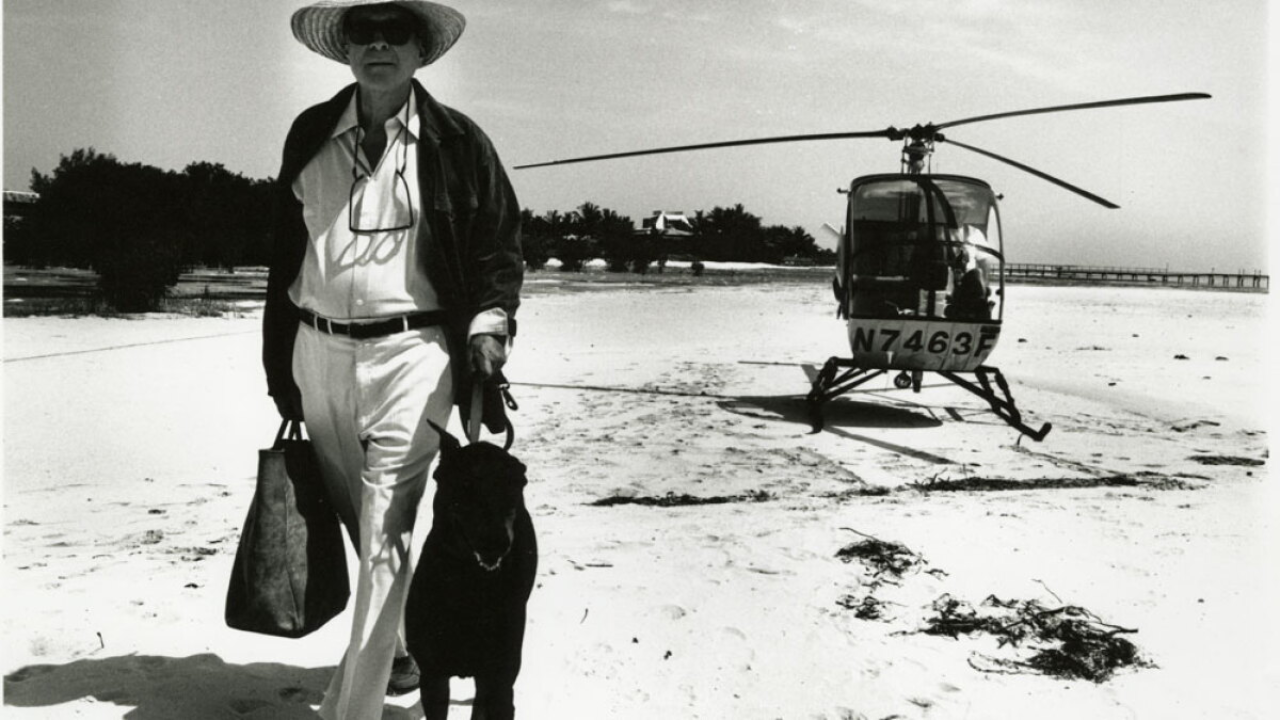
Owning a private tropical island sounds like a Hollywood fantasy. For property developer David Wolkowsky, that fantasy was his reality for nearly fifty years. He didn't just buy a piece of isolated land; he acted as the dedicated steward of Ballast Key, a fourteen-acre outcrop sitting nine miles west of Key West.
Today, that private retreat has completed a dramatic transformation. It's officially part of the Key West National Wildlife Refuge, locking out developers for good. If you've ever wondered how a billionaire's playground becomes federal marshland, the real story involves a mix of literary history, off-grid engineering, and smart conservation dealmaking. Expanding on this topic, you can find more in: What To Check Before Booking Your Next Trip To Italy.
The Man They Called Mr Key West
David Wolkowsky wasn't your average Florida real estate investor. Born in Key West in 1919, he earned the local nickname "Mr Key West" by spending decades reshaping and preserving the historic core of the city. He famously turned a derelict waterfront site into the Pier House resort during the late 1960s, helping shift Key West from an overlooked naval outpost into a global destination.
When he acquired Ballast Key in the early 1970s, he didn't bulldoze it. Instead, he built a three-story main house and a separate guest house, wrapping them in wooden porches and surrounding them with palm trees and shallow turquoise water. Wolkowsky viewed himself as a caretaker rather than a conqueror. He wanted a remote sanctuary where artists and thinkers could escape the noise of the mainland. Experts at Lonely Planet have also weighed in on this matter.
A Secret Hideout for Literary Legends
You don't host the cultural elite without a bit of mystique. Wolkowsky regularly invited famous writers, musicians, and performers to Ballast Key, offering them total isolation.
Playwright Tennessee Williams spent long stretches on the island during the late 1970s. He sat on those wooden wraparound porches painting watercolors while the sea breeze kept the humidity at bay. Author Truman Capote, musician Jimmy Buffett, and members prominent dynasties like the Rockefellers and Vanderbilts also made the trip.
Pop culture fans might even recognize the property without realizing it. Ballast Key served as the villain's hideout in the 1989 James Bond film Licence to Kill. Author John Gardner featured the island in the official novelization of the movie, cementing its status in cinematic lore.
Engineering Life on an Isolated Atoll
Living on a fourteen-acre island miles from civilization isn't easy. You can't just flip a light switch or turn on a tap. Wolkowsky had to engineer his own infrastructure long before green tech was trendy.
He installed custom solar power systems to keep the lights on and built a private desalination plant to turn surrounding seawater into fresh drinking water. Whenever he needed supplies, construction materials, or provisions for guests, he sent a private barge across the open channel straight from Key West. It was a self-sustaining ecosystem built entirely by hand and grit.
Protecting Critical Marine Ecosystems
While the celebrity stories grab headlines, the true value of Ballast Key lies in its ecology. The island sits right inside the Great White Heron and Key West National Wildlife Refuges, making it a critical anchor for the Florida Keys marine ecosystem.
The sandy beaches and shallow tidal flats serve as crucial nesting and feeding grounds for dozens of rare species. Biologists from the US Fish and Wildlife Service regularly track brown pelicans, magnificent frigatebirds, roseate spoonbills, and sea turtles nesting on the shores. Down below, thick seagrass beds offer safe shelter for wading birds, nurse sharks, and bonefish.
Leaving a property like this vulnerable to future commercial buyers was never an option for Wolkowsky. Before he passed away in 2018 at the age of 99, he made his intentions clear: he wanted the island protected forever.
How the Conservation Deal Finally Happened
Turning a private island into a federal wildlife sanctuary takes time and institutional muscle. The final preservation effort came together through a partnership between The Nature Conservancy and the US Fish and Wildlife Service, as reported by the Miami Herald.
The Nature Conservancy first acquired the property from Wolkowsky's estate, acting as the bridge before transferring the deed to the federal government. This clever maneuver closed the loop, ensuring that the last privately owned piece of land within the national wildlife sanctuary boundary is permanently shielded from resort development.
Rather than tearing down the buildings Wolkowsky spent decades curating, federal officials repurposed them. The three-story main house and guest structures now serve as operational housing for visiting marine biologists, wildlife researchers, and university scholars who study climate resilience across the Florida Keys National Marine Sanctuary.
If you are planning a trip to the Florida Keys, respect the strict boundaries of the national wildlife refuges. Keep your distance from nesting seabirds, support local conservation groups, and remember that some places are worth protecting simply for the wild creatures that call them home.