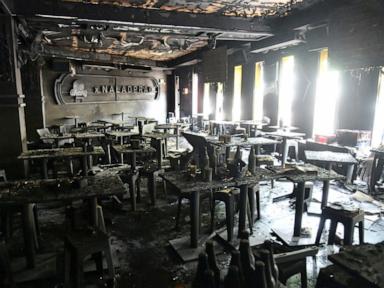
You step into a crowded music bar on a Sunday night, expecting live music, cold beer, and a good time with friends. You don't expect to fight for your breath in pitch-black toxic smoke less than an hour later. Yet that's exactly what happened just before midnight on July 12, 2026, at the Rong Beer Na Lat Phrao pub in Bangkok's Chatuchak district. A sudden electrical failure turned a lively venue into a death trap, leaving at least 27 people dead and 63 others injured, with dozens fighting for their lives in critical condition.
It's a horrifying story, but if you look closer at the details coming out of Thailand, it's also a deeply frustrating one. This wasn't just a freak accident. It was a structural failure, a failure of basic safety enforcement, and a grim reminder of what happens when emergency exits are treated as afterthoughts.
The horrifying reality of the Bangkok music bar fire shows that despite past lessons, nightlife safety remains a major issue. We need to look at what went wrong, why people couldn't escape, and how you can protect yourself when a night out goes sideways.
The Fatal Night at Rong Beer Na Lat Phrao
The venue was packed. Located in a bustling section of northern Bangkok near major shopping centers and the famous Chatuchak weekend market, the bar was a popular spot for locals and tourists alike. Around 11:57 PM, the band was playing, people were drinking, and the atmosphere was vibrant.
Then everything changed in a heartbeat.
According to accounts from musicians performing on stage, the trouble started with a small puff of smoke near a circuit breaker right next to the stage. Seconds later, the power failed completely. The room plummeted into darkness. Before the crowd could even process the blackout, a loud explosion rattled the building, and a violent fire erupted from the stage area.
Kan Kutirat, a tourist from Laos who was drinking alone at the bar, noticed smoke rising near the stage around 10:00 PM but didn't realize how fast things would deteriorate. When the explosion happened near midnight, chaos broke out instantly. He described hearing loud screams and seeing people running frantically. Videos shared on social media showed a truly apocalyptic scene. Patrons literally ran for their lives into the street, some with their clothes completely on fire, as massive horizontal plumes of thick, black smoke and flames blasted through the front entrance.
For those who didn't make it out of the front door in those first few critical seconds, the situation became a nightmare.
Trapped in the Dark
When the power cut out, the venue's interior became a black void filled with choking, toxic smoke. A surviving band member, his head wrapped in bandages, recalled the terrifying speed of the fire. He stated that right after the blast, he couldn't see anyone running because most people were already on the floor, gasping for air and crying out for help. He managed to scramble toward the stage exit, navigating blindly through a thick wall of smoke with zero oxygen.
The physical traits of the building made escape almost impossible.
Thai National Police Chief Kittharath Punpetch revealed a heartbreaking detail after inspecting the scene. Most of the 27 victims—comprising 18 women and nine men—were discovered crammed into windowless bathrooms located near the back of the venue. In the blinding smoke and panic, they had run away from the fire at the front stage and sought shelter in the restrooms. They didn't know those bathrooms had no external exits. They were trapped in a concrete box with no oxygen.
Emergency workers found their bodies slumped together on the floor. Most of them had died from severe smoke inhalation before the fire even reached them. They didn't carry identification, making the initial process of identifying the victims painfully slow for forensic teams.
The Cost of Blocked Exits and Regulatory Failure
Bangkok Governor Chadchart Sittipunt initially stated that the pub had obtained proper operating permits and possessed required fire exits. However, having a fire exit on a blueprint means absolutely nothing if it doesn't function in real life.
When Prime Minister Anutin Charnvirakul arrived at the smoldering ruins on Monday morning, he openly questioned the first responders about a rear escape door. The response he received was damning. The door was locked tight with two heavy bolts. The prime minister could only shake his head in disbelief.
Locked doors weren't the only obstacles. Investigators discovered a catalog of terrifying safety violations inside the charred remains:
- Commercial Obstructions: A large table set up inside the main hall to sell candy and merchandise partially blocked the path to one of the rear exits. In the dark, panicked patrons tripped over it or found their path cut off.
- Storage Hazards: The pathway to another exit near the kitchen area had been narrowed down by heavy metal shelving units and employee lockers, creating a bottleneck that slowed evacuation to a crawl.
- Flammability: The fire traveled across the ceiling with terrifying speed. Investigators are looking directly at the cheap, highly flammable acoustic foam and decorative materials used to soundproof the stage area. When these materials catch fire, they melt, rain down fire on the crowd, and release lethal hydrogen cyanide and carbon monoxide gases.
It takes only a few breaths of toxic smoke to knock a person unconscious. When you combine locked doors, cluttered hallways, and flammable ceilings, you get a mass casualty event.
Echoes of Santika and Mountain B
The most infuriating part of the Rong Beer Na Lat Phrao fire is that Thailand has seen this exact movie before. The country has a history of nightclub blazes that follow the identical script of locked exits, acoustic foam, and delayed enforcement.
In 2009, the Santika Club fire in Bangkok killed 67 people and injured over 200 during a New Year's Eve party. The cause was indoor fireworks that ignited the ceiling foam. The club had hundreds of guests but only one main exit for the public. The emergency exits were locked to prevent patrons from leaving without paying their bar tabs.
In 2022, the Mountain B nightclub fire in Chonburi province claimed 25 lives. Just like the recent disaster, Mountain B used cheap, non-flammable-certified acoustic insulation on the walls and ceiling. The building had modified structures that blocked external airflow, and the rear fire exit was locked from the outside.
We see the exact same patterns repeating over and over. A venue opens, builds extensions without proper permits, locks side doors for security or inventory control, lines the ceiling with cheap foam to keep the neighbors from complaining about the noise, and ignores the fire codes. Then an electrical short circuit triggers a disaster.
Real Steps to Stay Safe in Nightlife Venues
You can't always rely on club owners or local inspectors to guarantee your safety. When you walk into a crowded bar, concert hall, or night pub anywhere in the world, you should take your safety into your own hands.
Locate Two Exits Immediately
Don't just look at the main entrance you walked through. The moment you enter a venue, take ten seconds to scan the room. Spot the alternative exits. If a fire starts near the stage or the front door, you need an immediate backup plan.
Steer Clear of the Bathrooms
In a panic, your brain often tells you to run to a familiar, enclosed space like a restroom to escape smoke or a crowd surge. Don't do it. Nightclub bathrooms rarely have exterior windows or doors. They easily turn into deadly smoke traps. Always move toward external walls and designated emergency doors.
Watch the Ceiling
If you see thick sheets of exposed, cheap-looking dark foam padding glued to the walls or ceiling near a stage, be on high alert. If a fire breaks out, that material will turn the air toxic within seconds. Position yourself closer to the exits rather than right up against the stage.
Trust Your Instincts on Crowding
If a venue is so packed that you can barely move your arms or navigate between tables, it has exceeded its safe capacity. If an emergency happens, a crowd crush will occur long before people even reach the doors. It's better to leave and find a safer spot.
The families gathering at Bangkok's Institute of Forensic Medicine are currently enduring unimaginable grief. A mother named Nid wept openly as she identified the bodies of her young daughter, a newly graduated computer teacher, and her son-in-law. They went out to enjoy a night of music and never came home.
True safety requires continuous, strict enforcement, surprise inspections, and heavy criminal penalties for owners who bolt fire doors shut. Until that becomes the global norm, keep your eyes open, know your exits, and look out for your friends. Your life depends on it.