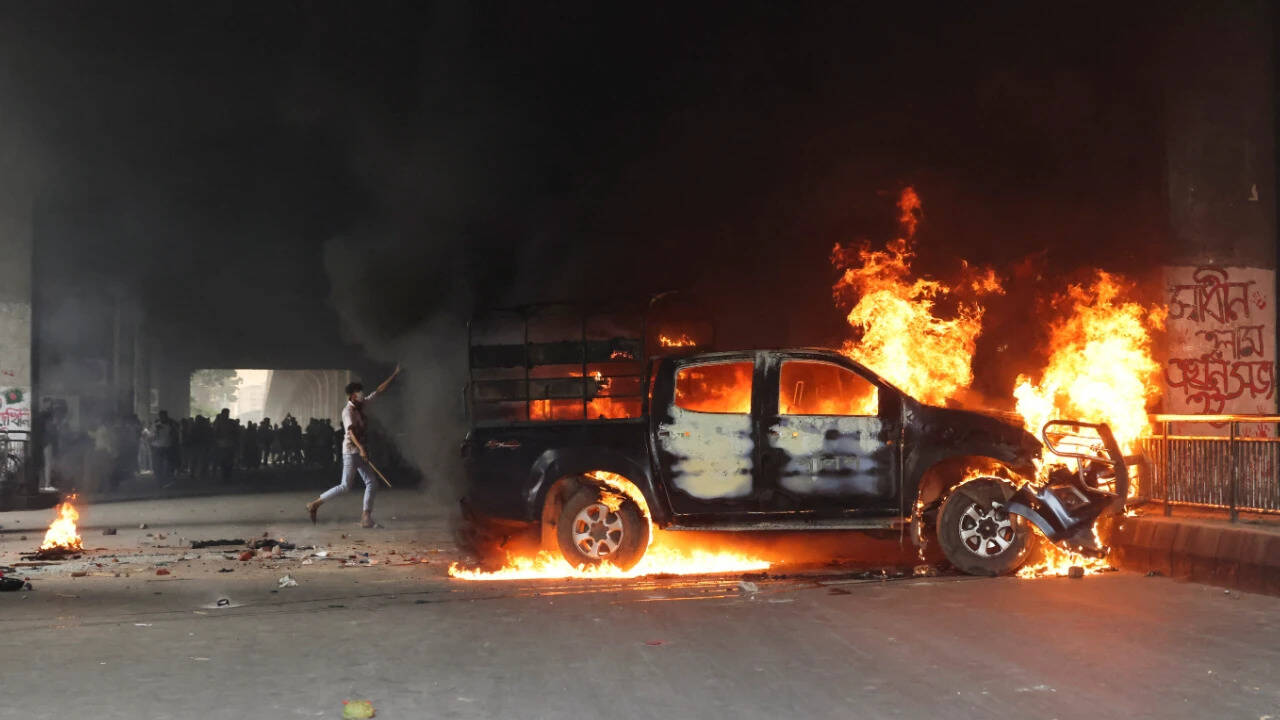
Tear gas fills the air over Dhaka's industrial corridors while police line up with sound grenades. Thousands of garment workers have shut down major manufacturing hubs. They're demanding a radical pay jump.
If you think this is just another local labor dispute, look closer. Bangladesh anchors global fast fashion. When its factories grind to a halt, supply chains across Europe and North America feel the shockwaves.
The core issue comes down to math that simply doesn't add up for ordinary workers.
The Numbers Behind the Rage
Workers are demanding a minimum monthly wage of 30,000 taka, which equals roughly $245. That figure more than doubles the existing minimum baseline of 12,500 taka.
Prices for rice, rent, and medicine have surged past reason over recent years. Wages stayed flat while inflation swallowed every paycheck. Four million people power this industry, and a massive share of them are women supporting entire households on poverty-level compensation.
When government employees recently secured substantial pay raises and benefits, garment workers looked at their own stagnant pay slips and hit the streets. You can't expect people to stay quiet while basic survival items slip out of reach.
Why Factory Owners Say No
Stand on the other side of the fence and you'll hear a different story. Factory owners point to shrinking profit margins, plunging international orders, and the skyrocketing cost of imported raw materials.
Global brands want cheap clothes yesterday. They squeeze suppliers on price at every turn. Local manufacturers argue that doubling wages overnight would force countless factories into bankruptcy. They claim they simply cannot absorb these labor costs without higher buying rates from global retail giants.
Yet, international brands often preach ethical sourcing while squeezing suppliers until margins break. That disconnect sits at the heart of the violence we're seeing on major roadways.
What Happens When the Mills Stop
Confrontations have turned brutal. Protesters blocked major transport arteries with heavy barricades. Police deployed tear gas, and Border Guard Bangladesh units stepped in to lock down security. Dozens of factories suspended operations entirely, sending panic through export logistics.
Delays mean missed shipping windows. Missed windows mean canceled orders. If this unrest stretches on, global high street brands will face severe inventory gaps heading into the shopping season.
Fixing this crisis requires more than police blockades or temporary wage boards. Global brands must step up and share the financial burden of fair labor standards instead of treating supplier nations as bottom-dollar production lines. Real change won't arrive until fair wages are baked into the true cost of every shirt hanging on a rack.
Bangladesh raises monthly minimum wage for garment workers to $113 following weeks of protests
This archival footage provides historical context on how previous wage negotiations and street demonstrations unfolded in Bangladesh's critical garment sector.