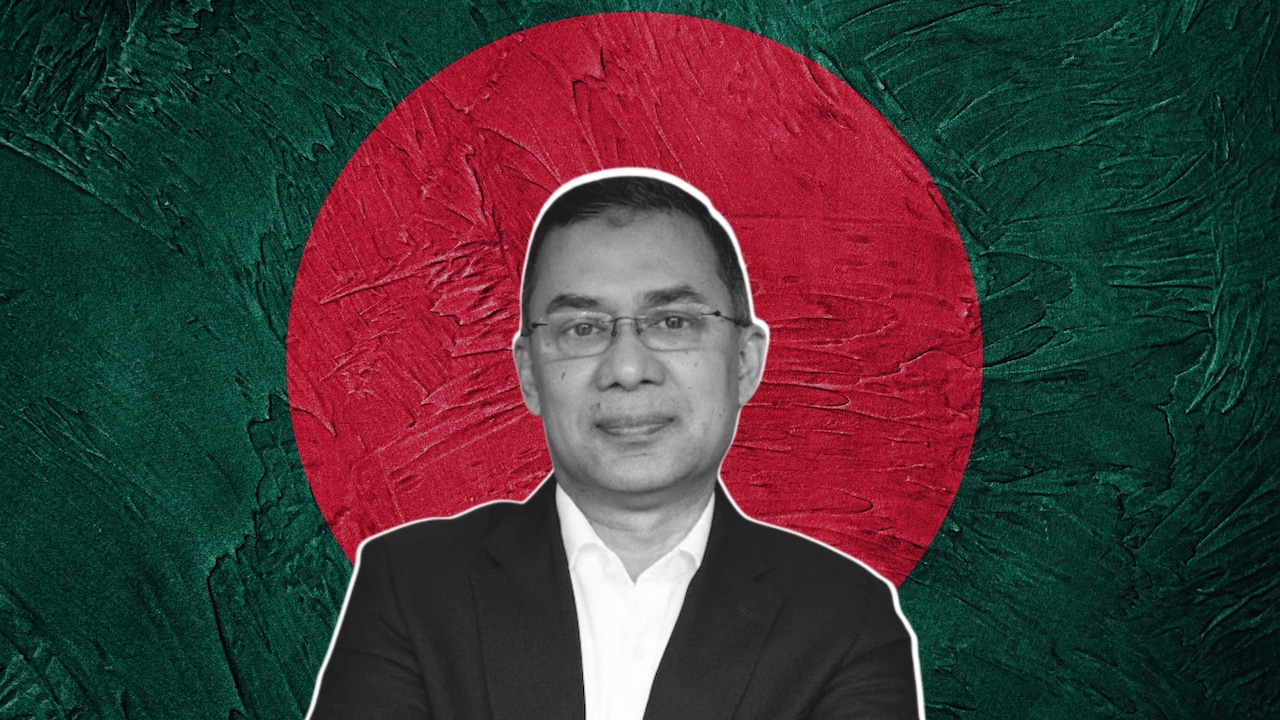
Diplomacy between neighbors rarely goes smoothly. Right now, the relationship between Bangladesh and India is facing a cold front that shows few signs of breaking. Prime Minister Tarique Rahman’s potential visit to New Delhi, once considered a logical next step for regional stability, currently sits on the back burner.
The messaging from Dhaka is clear. Don't expect a handshake at the border anytime soon. Foreign affairs adviser Humayun Kabir recently stated that the chances of a visit are slim. He points to a fundamental deficit in mutual trust. If you've followed the headlines, you know this isn't just about scheduling conflicts. It's about deep-seated political grievances that have turned into a standoff.
The Sheikh Hasina Problem
At the center of this tension is former Prime Minister Sheikh Hasina. Her presence in India has become the primary wedge in bilateral communication. For the current administration in Dhaka, her ability to interact with the press and operate from Indian soil is not just a nuisance; it’s an active irritant.
When Hasina appeared at an event held by the Foreign Correspondents' Club in New Delhi earlier this month, the reaction in Bangladesh was immediate and angry. Critics in Dhaka argue that providing a platform for a leader who was ousted in the 2024 uprising undermines their sovereignty.
India has tried to distance itself from these events, asserting that it does not endorse the views of exiled figures. Yet, optics matter. When you’re trying to build a new chapter in a relationship, symbols carry as much weight as policy. The optics of a former leader using a neighboring country as a base for political commentary are toxic to the current government's domestic standing.
Beyond The Headlines
If you're wondering why this visit matters so much, look at the upcoming BRICS summit. There is a path forward, but it requires a level of diplomatic choreography that isn't currently present.
Dhaka has adopted a cautious stance. They aren't rushing. They want a dignified invitation and a guarantee of sovereignty. This isn't just bureaucratic language. It's a statement that the power dynamic between the two nations is shifting.
Meanwhile, Indian officials are trying to keep the door open. High Commissioner Dinesh Trivedi has publicly mentioned that Prime Minister Modi wants any future visit to be memorable. They are offering an honorable reception. But words of welcome struggle to gain traction when the underlying issue of Hasina’s status remains unresolved.
Why Trust Is Currently Impossible
Trust takes time to build and seconds to break. In international relations, this is a universal truth. The current friction stems from a few specific, non-negotiable points for the Bangladeshi public:
- The Extradition Request: Bangladesh has formally requested that Hasina be handed over to face legal proceedings. The request is currently being examined in New Delhi. The delay in response is seen in Dhaka as a lack of cooperation.
- National Security Concerns: Many in Bangladesh view the hosting of their former leader as a direct affront to their security, fearing that Indian soil is being used for destabilizing activities.
- Internal Politics: Prime Minister Rahman faces a delicate balancing act. He cannot appear weak or beholden to India, especially when his base is demanding accountability for the events that led to the change in government.
What Real Engagement Looks Like
If the two sides ever move past this, it won't be because of hollow diplomatic pleasantries. It will require a concrete roadmap.
For the Bangladeshi government, the priority is clear. They need to show their citizens that they are defending national interests. For India, the challenge is balancing their historical ties with the reality of a new government in Dhaka that they must work with, regardless of who is in power.
If you look at the history of these two nations, they have weathered plenty of "hiccups." The current situation is certainly one of them. However, ignoring the core demand of the Bangladeshi administration won't make the issue disappear.
Moving Forward
Don't expect a breakthrough until the status of the political exiles is addressed in a way that respects the legal frameworks of both countries. Any attempt to skip over this will likely result in more public friction.
The ball is effectively in the court of those managing these diplomatic channels. If the goal is a stable and prosperous region, they need to prioritize transparency over vague assurances. Until then, both sides are stuck in a cycle of demand and delay.
Watch for how the upcoming BRICS summit unfolds. If Dhaka decides to participate, it will signal that a minimum level of working consensus has been reached. If they stay away, the standoff is likely to continue for the foreseeable future. There are no shortcuts here, only the hard work of rebuilding credibility one conversation at a time.