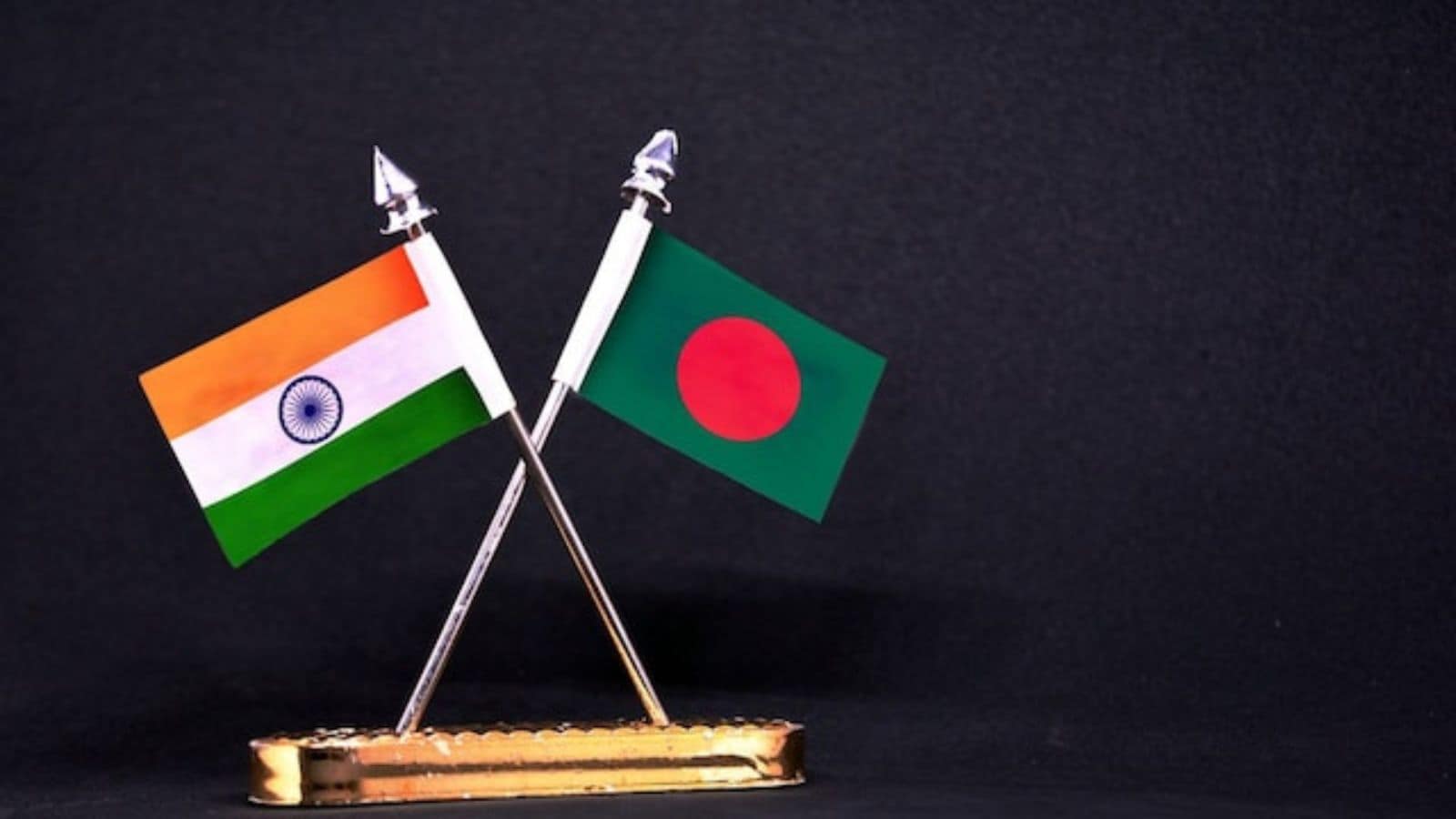
The diplomatic dance between Dhaka and New Delhi has hit a wall. For months, everyone expected Bangladesh Prime Minister Tarique Rahman to make a high-profile trip to India. It’s been a standard tradition for Bangladeshi leaders to prioritize New Delhi for their first major foreign outreach. But Rahman broke that mold, visiting Malaysia and China first after taking office in February. Now, as the calendar flips toward late August 2026, the long-awaited visit to India remains in limbo.
Why? It’s not just scheduling conflicts. It’s Sheikh Hasina.
Dhaka has made it loud and clear: they won’t play ball on a state visit until India creates a "propitious environment." In plain language, that means the immediate extradition of former Prime Minister Sheikh Hasina. She’s been living in India since the 2024 uprising that ended her long rule. For the current government in Dhaka, her continued presence—and her vocal, often critical, media presence from Indian soil—is a deal-breaker.
The extradition impasse
If you’re wondering why this is such a volatile issue, look at the legal backdrop. Sheikh Hasina isn't just a political exile; she has been convicted by the International Crimes Tribunal for serious charges related to the 2024 unrest. Dhaka views her ability to hold press events from New Delhi as a direct provocation. When she spoke out on August 5, the anniversary of her ouster, it sent a shockwave through the bilateral relationship, effectively freezing the diplomatic momentum that had been building since February.
The Bangladesh Ministry of Foreign Affairs, led by spokesperson Shahidul Karim, has been blunt. They aren't just asking for Hasina; they are also pushing for the handover of suspects involved in the killing of student leader Osman Hadi in late 2025. Dhaka cites their bilateral extradition treaty as the legal basis for these demands. Meanwhile, New Delhi’s position remains guarded. They’ve stated the requests are "under examination," a classic diplomatic holding pattern that keeps the pressure on without committing to action.
Why this matters right now
The timing here is everything. Both countries have a lot on the line. India needs stability in its Northeast, secure trade routes, and cooperation on energy—especially with global supply chains feeling the heat from wider regional conflicts. Bangladesh, for its part, is navigating a fragile economic recovery and needs a stable partnership with its largest neighbor.
Yet, domestic politics are driving the bus. Tarique Rahman’s administration is under pressure to show that their "Bangladesh First" policy isn't just a slogan. If Rahman were to visit India without a clear win on the extradition front, it would look like a concession to his base.
The volatility is palpable. Just yesterday, the Rashtrapati Bhavan in New Delhi put out—and then quickly retracted—a press release about the cancellation of a ceremony, sparking wild speculation that the visit was officially dead. The fact that government machinery is flip-flopping over the protocol for a potential visit shows just how uncertain the ground is.
What to watch for next
Don't hold your breath for a quick resolution. Diplomatic stalemates of this nature rarely end with a single conversation.
- The "Propitious Environment" Test: Until New Delhi signals movement on the extradition front, or until Dhaka decides the economic costs of the delay outweigh the political ones, expect the "will-they-won't-they" narrative to continue.
- Channel Backdoors: Diplomacy is rarely just what you see on the news. Intelligence channels and quiet back-channel talks between high commissioners and political offices will dictate the real timeline.
- Internal Pressures: Keep an eye on the Awami League, Hasina’s party. Even in exile, they retain a core percentage of support. Any sign that the party is organizing from abroad will only harden Dhaka’s stance against India.
If you’re tracking this for business or geopolitical reasons, look past the headlines. Watch the trade talks and the energy agreements. Those are the real barometers for whether the two countries can move past this current friction. For now, the trip is firmly stuck in the waiting room.