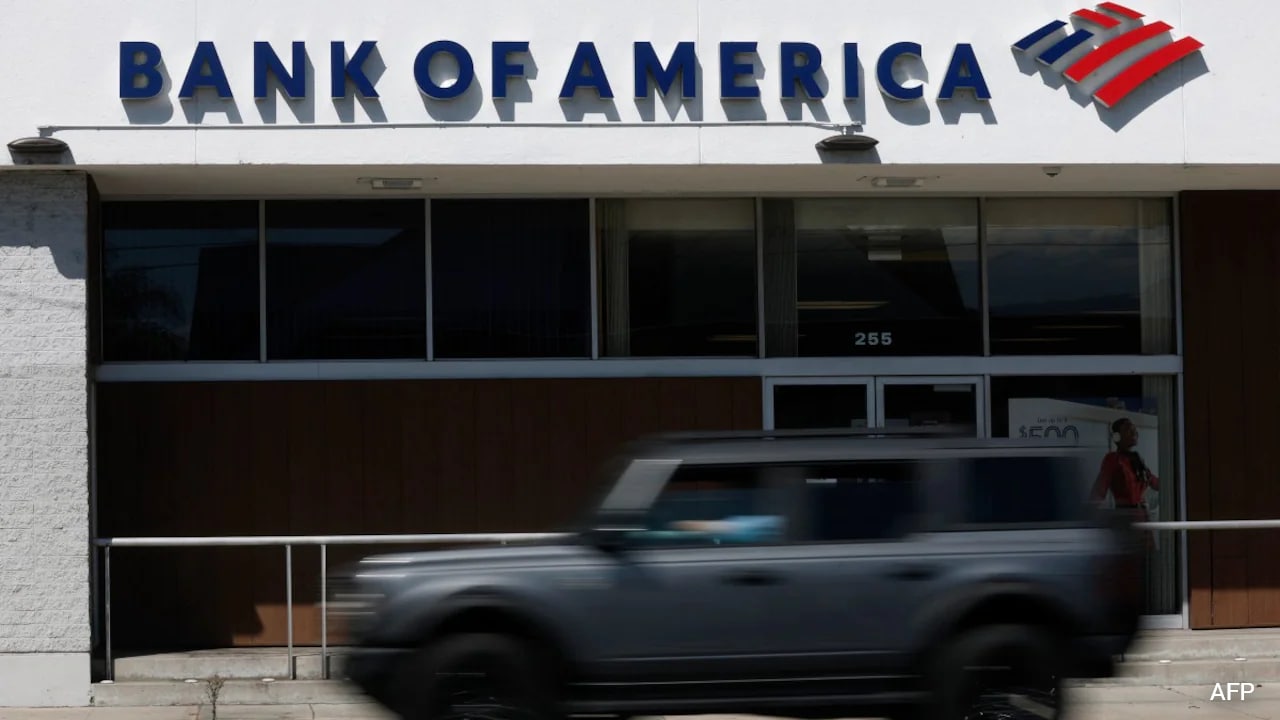
Panic sets in fast when your banking app refuses to load. You stare at a blank screen or a vague error message while trying to pay for lunch or check if your paycheck cleared. That exact scenario played out for thousands of Chase customers, alongside users at Bank of America, Wells Fargo, and U.S. Bank, after a software bug struck on-premise hardware systems at JPMorgan Chase.
People immediately jump to the worst-case scenario. Cyberattack? Systemic financial collapse? The reality is usually far more mundane, yet somehow more unsettling. Banks run on layers of aging infrastructure, patched-together codebases, and complex transaction webs that occasionally trip over themselves in broad daylight.
What Actually Triggered the Outage
When the complaints spiked on tracking sites like Downdetector, rumors flew online. But bank officials clarified quickly that this wasn't a malicious hack or a sign of systemic banking instability. Instead, a software bug inside on-premise hardware systems at JPMorgan Chase created a bottleneck.
Because modern banking isn't isolated, a hiccup at the country's largest bank doesn't stay contained. When Chase acts as a party to a transaction involving other institutions—such as moving money through networks like Zelle—the error ripples outward. Customers at competing banks suddenly found themselves locked out of transfers or facing frustrating delays. Zelle itself confirmed its core network was up and running, but pointed the finger squarely at the originating financial institutions whose internal bugs stalled the handoffs.
The Fragility Hidden Behind Multi-Billion Dollar Apps
We expect our banking apps to work with the same silent perfection as a light switch. You tap, funds move, life continues. Behind that simple interface lies a terrifyingly complex maze of legacy mainframe systems talking to modern cloud wrappers.
Banks spend billions on cybersecurity and digital transformation, but they're also handcuffed to decades-old codebases that handle core ledger accounting. When a minor software update or routine patch hits an on-premise hardware component just wrong, it triggers a cascade effect.
The scariest part isn't that bugs happen. It's that financial institutions are so deeply intertwined that one bad line of code in a single bank can drag down payment processing across half the country. Your money is safe, and account balances remain intact, but your liquidity freezes the second the pipe clogs.
How to Protect Yourself When Digital Banking Stalls
You can't stop a software bug at a Fortune 50 corporation. You can, however, stop letting a single technical glitch ruin your day. Relying entirely on one digital ecosystem leaves you completely vulnerable whenever a server hiccups.
Keep a small cushion of physical cash somewhere safe at home. If you rely exclusively on digital wallets and a single bank debit card, a localized outage turns you temporarily broke.
Diversify your financial tools. Having a secondary account or credit card at an entirely different financial institution means you can route around a temporary blockade. If Chase or Bank of America goes dark, you aren't stranded without a way to pay for groceries or gas.
Check official channels before panicking. Social media and outage maps will tell you if thousands of other people are screaming about the exact same error message. If it's a known software bug, calling customer service won't speed up the fix. They are already scrambling behind the scenes to push a hotfix and clear the transaction backlog.
Take a breath the next time your banking app throws an unexpected error code. The system is usually recovering while you wait. Diversify your payment backups, keep a little cash handy, and remember that digital convenience always comes with a small tax of occasional downtime.