A quiet Sunday evening on the water turned into an absolute nightmare off the coast of Berkeley Township, New Jersey. A 30-foot vessel carrying four family members struck a channel marker in Barnegat Bay around 9 p.m., ejecting two young kids into the dark water. By the time emergency crews reached them, a seven-year-old boy and a nine-year-old girl were unresponsive. They later died at a hospital in Toms River.
This wasn't an isolated mishap in open ocean. It happened right in the Intercoastal Waterway, a busy navigational passage used daily by local boaters. When a routine family outing turns deadly in seconds, it forces everyone who steps onto a boat to confront some uncomfortable realities about water safety, night navigation, and how fast things go wrong on the bay.
What Happened on Barnegat Bay
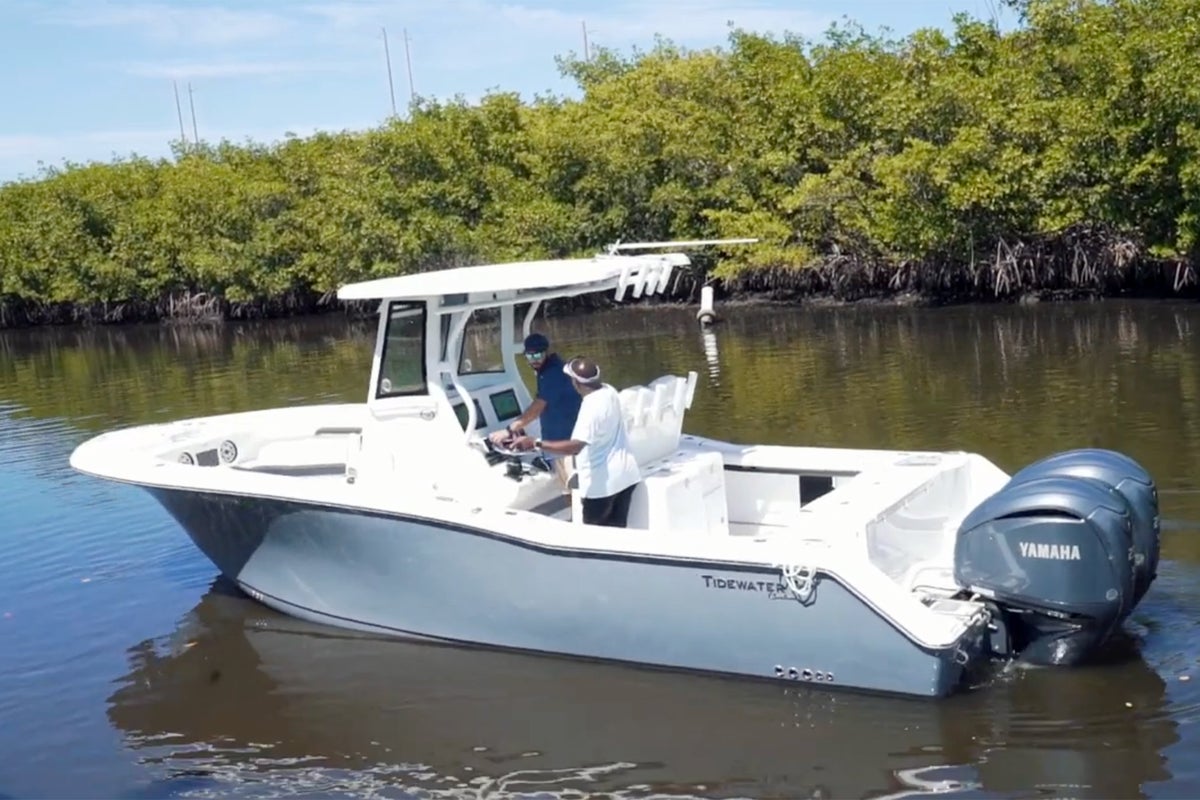
The boat involved was a 30-foot Tidewater Custom 280. On board were Stephen Schneider, 63, and Laurie Schneider, 64, from Bayville, along with their two young grandchildren. According to reports from the New Jersey State Police, Stephen Schneider was operating the vessel heading through the bay around 9:09 p.m. when it slammed directly into Intercoastal Waterway Marker 39.
The force of the impact was violent enough to instantly throw both children overboard into the pitch-black water.
The grandparents pulled the unresponsive children from the bay and got them back onto the deck. First responders met the boat and immediately began resuscitation efforts. Local fire personnel and EMTs rushed aboard to administer CPR, but their efforts could not save the brother and sister. They were pronounced dead shortly after arriving at the hospital.
Local officials confirmed that all navigation lights on Channel Marker 39 were fully operational and lit at the time of the collision. The weather conditions were relatively calm, making the crash even more baffling and heartbreaking for the tight-knit Ocean County community.
INCIDENT SUMMARY:
Location: Barnegat Bay off Berkeley Township, NJ (Marker 39)
Vessel: 30-foot Tidewater Custom 280
Time: Approximately 9:09 PM
Occupants: 4 (2 Adults, 2 Children)
Fatalities: 2 (Boy aged 7, Girl aged 9)
Primary Cause: Vessel collision with stationary channel marker
Why Night Navigation on Bays Presents Unique Hazards
Navigating a motorboat after dark is fundamentally different from driving a car at night or boating under full sunlight. Open water lacks ambient streetlights, lane markers, or clear boundaries. In places like Barnegat Bay, several environmental and human factors combine to create high-risk scenarios.
Limited Depth Perception and Visual Illusions
Darkness destroys standard depth perception on the water. When you look across a bay at night, shore lights, boat stern lights, and illuminated aids to navigation can easily blend together into a confusing wall of dots. Distances become almost impossible to judge accurately by eye alone.
A channel marker sitting 100 yards away can look like it's half a mile out until it's directly in front of your bow. Boat speed compounds this risk significantly. At 25 knots, a vessel covers roughly 42 feet every single second. If an operator misjudges the distance to a buoy by just a few seconds, there is zero time left to turn or reverse throttle.
Channel Marker Markers and Low Profile Obstacles
Channel markers like Marker 39 are designed to guide boaters safely through deeper channels and keep them off shallow shoals. They are solid steel or thick wooden pile structures fixed deep into the seabed. Hitting a fixed piling at speed produces an instant, catastrophic stop. Unlike a car hitting a plastic highway barrels, a boat colliding with a channel marker absorbs nearly all the kinetic energy directly into the hull and passengers.
While key markers have flashing green or red lights, the metal structure below the light remains largely invisible in total darkness. If an operator misidentifies which side of the marker they are on or loses track of their position relative to the lighted beacon, collision risks soar.
The Illusion of Familiar Waters
Many captains who run into trouble near their home ports are victims of familiarity. When you've navigated Barnegat Bay a hundred times during the day, you develop muscle memory. You know where the channels are, where the SandBar sits, and where the markers line up.
However, night driving strips away all visual landmarks you rely on during daylight hours. Local knowledge without active radar or GPS backing can breed overconfidence. That false sense of security leads boaters to maintain daylight speeds when conditions demand cutting velocity by half or more.
What Investigators Are Looking Into Right Now
The New Jersey State Police Marine Services Bureau is leading the investigation into the crash. Fatal vessel accidents require a thorough technical reconstruction, and investigators evaluate several core elements before issuing final reports.
Speed and Throttle Settings
Determining how fast the Tidewater Custom 280 was traveling at 9:09 p.m. is a central priority. State Police technicians inspect engine telemetry, onboard GPS units, and structural damage patterns to estimate speed upon impact. High speeds dramatically shorten reaction times and increase the likelihood of passengers being thrown from the vessel during sudden impact.
Vessel Lighting and Navigation Gear
Investigators test all onboard navigation systems, including radar, chartplotters, and spot lamps, to see if equipment failure contributed to the accident. They also verify whether proper running lights were illuminated on the motorboat itself.
Operator Impairment and Distraction
Standard protocol in any fatal marine crash involves testing the operator for alcohol or drug presence. Authorities have noted that the investigation remains open and no charges have been filed. They are also reviewing timelines, including reports that the family had visited a waterfront restaurant prior to the trip, to reconstruct the full sequence of events.
Life Jacket Compliance and Safety Gear
Reports from witnesses and first responders indicated that a life jacket was spotted near one child while emergency medical technicians performed CPR on deck. State police have not officially released details regarding whether life jackets were actively worn by the children at the moment of impact. Under New Jersey state law, children under 13 years old are required to wear a properly fitted, US Coast Guard-approved personal flotation device (PFD) whenever a boat is underway.
Whether worn or removed after the rescue, life jackets are crucial in keeping ejected passengers afloat, particularly if those passengers are rendered unconscious upon striking the water or vessel structure.
The Human Cost and Community Impact
The loss of two young children has shaken the local Bayville and Berkeley Township communities. Local officials, including Councilman James Byrnes, spoke openly about the profound emotional toll this tragedy has taken on first responders.
Volunteers and professional EMTs who arrived at the scene jumped straight onto rescue boats in a desperate attempt to save the kids. Performing life-saving measures on young children under dark, chaotic conditions inflicts deep emotional trauma on rescue workers. Community members gathered at nearby waterfront spots to lay flowers and pay quiet respects in the days following the event.
This heartbreak serves as a severe, unvarnished reminder: the bay gives no second chances when a mistake happens at speed.
Essential Night Boating Protocols Every Captain Must Follow
You cannot eliminate every risk on the water, but you can drastically lower the odds of a catastrophic crash by changing how you operate once the sun goes down. If you take family or friends out after dark, these operational habits save lives.
Slow Down to Reaction Speed
The single most effective action you can take at night is pulling back the throttle. Cut your speed down to a point where you can stop or alter course within the distance of your visibility. If your bow rises high and blocks your forward view while planing, slow down to idle displacement speed.
Rely on Active Marine GPS and Radar
Never trust your eyes alone in pitch darkness. Use a modern chartplotter with updated marine maps that display exact GPS positioning relative to channel markers like Marker 39. If you have marine radar, keep it running on a short-range setting (0.5 to 1.5 nautical miles) to detect hard targets like unlit pilings, buoys, and small craft.
Maintain a Dedicated Lookout
The captain shouldn't be the only eyes on the water. Assign an adult passenger to act as a dedicated lookout. Position them near the bow or passenger seat with clear visibility, away from glare produced by console screens or cabin lights. Instruct them to scan 360 degrees constantly and speak up immediately if they spot lights, dark shapes, or water reflection changes.
Dim All Internal Helm Electronics
Bright cockpit displays, stereo screens, and overhead lights destroy your natural night vision. It takes up to 20 minutes for human eyes to adjust to low-light conditions, but just one second of bright light resets that process. Night-mode your chartplotters, dim dashboard gauges, and turn off internal cabin lighting while underway.
Mandatory Life Jackets for Everyone After Dark
Even strong swimmers lose orientation when thrown unexpectedly into dark water. Make it a strict policy on your vessel that everyone—adults and children alike—wears an approved personal flotation device at all times while the boat is in motion after sunset. Life jackets buy critical time for recovery, especially if an impact causes head trauma or loss of consciousness.
Practical Steps Before Your Next Evening Trip
Before you turn the key for a night trip on any bay or coastal waterway, run through this quick checklist:
- Test all navigation running lights (red/green bow lights and white 360-degree stern light) before leaving the dock.
- Ensure every passenger is fitted with an appropriately sized, US Coast Guard-approved life jacket.
- Clean windshields and helm enclosures to eliminate haze that distorts light perception in the dark.
- Verify your GPS chartplotter software is fully updated with current spatial data for local aids to navigation.
- Set a strict speed limit for yourself that reflects zero-light conditions, regardless of how familiar you are with the route.