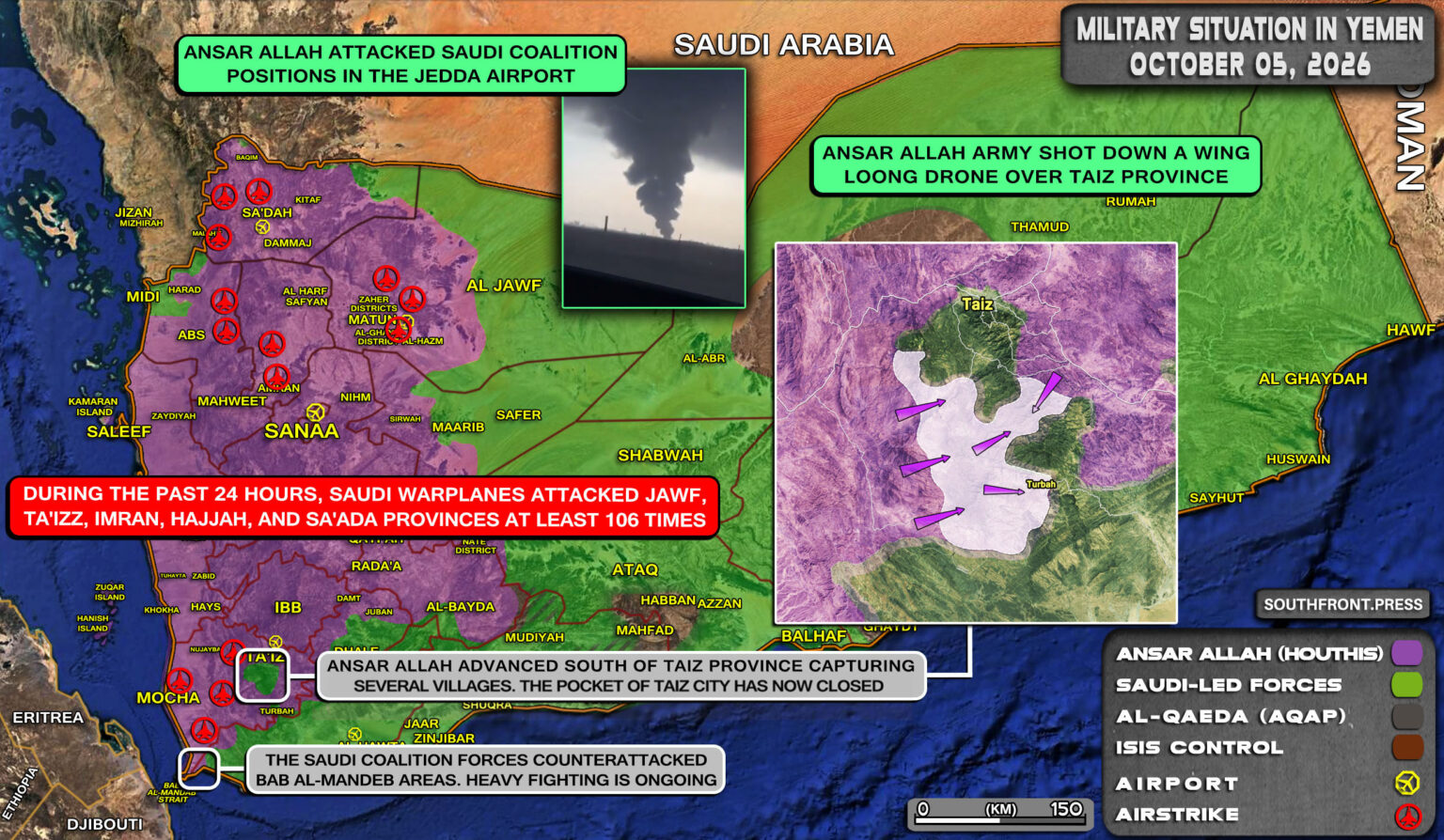
Control over a narrow stretch of water can choke the entire global economy. That reality is playing out right now along the Red Sea coast. Saudi-backed Yemeni government forces announced they have seized key positions near the Bab al-Mandeb Strait, including parts of the Dhubab district and Dhubab airport.
If you watch international shipping lanes, you know this chokepoint matters. Millions of barrels of oil and massive container ships pass through this narrow maritime passage daily between the Indian Ocean and the Suez Canal. When fighting flares here, insurance rates spike, supply chains stutter, and cargo gets diverted around the entire African continent. Meanwhile, you can explore related events here: Why The Escalating Attacks On Commercial Shipping Demand More Than Just Words.
The internationally recognized government launched a major military campaign dubbed Operation Yemen Dawn. Troops from the Giants Brigades and the Nation's Shield Forces pushed forward under heavy air support. A Saudi-led coalition deployed roughly 100 fighter jets to provide round-the-clock air cover and strike Houthi positions. Coalition spokespeople claimed hundreds of high-value targets have been destroyed, though Houthi-aligned media quickly pushed back, dismissing the reported government advances as false and claiming the skies remain contested.
The strategic stakes extend far beyond local territorial control. The Bab al-Mandeb Strait serves as a vital economic lifeline for Europe, Asia, and the Middle East. Any prolonged disruption forces commercial vessels to take longer routes, burning extra fuel and inflating consumer prices worldwide. This latest escalation shatters the fragile, years-long lull that followed the 2022 truce, reminding everyone how brittle peace remains in the region. To explore the full picture, we recommend the detailed report by NPR.
At the same time, fighting has intensified on other fronts. Houthi forces have applied pressure around Taiz, threatening crucial transit corridors connecting the city to Aden. The expanding conflict draws in wider diplomatic and military maneuvers too. Recent emergency talks between Saudi Arabia, Turkey, and Pakistan under the Mecca Joint Defence Agreement highlight how regional powers are recalibrating their security posture as violence escalates.
Expect further volatility along the Red Sea corridor. As government forces try to secure liberated zones and cut supply routes, the risk to commercial shipping remains high. Shippers are watching closely, rerouting vessels, and preparing for a prolonged period of instability where local territorial battles directly dictate global shipping costs.