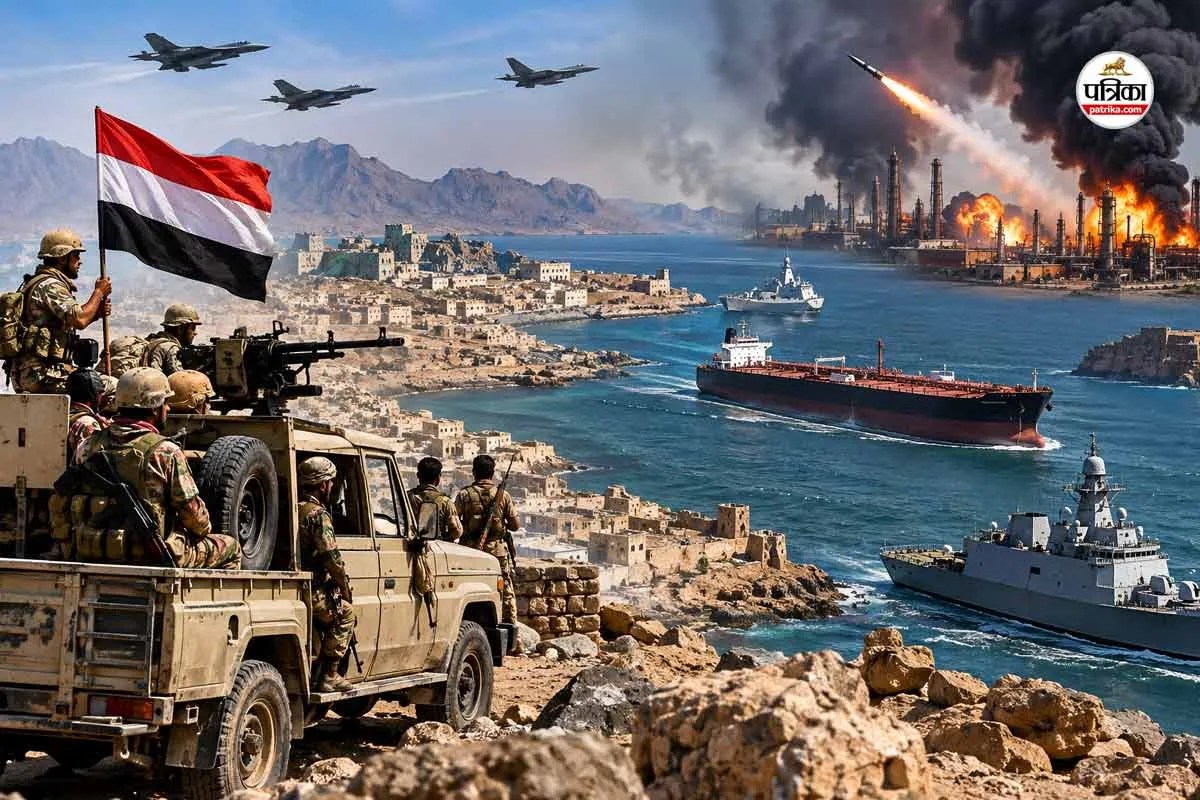
Most people looking at the Middle East right now are completely missing the strategic earthquake happening along Yemen's western coastline. When government forces backed by Saudi air power recently pushed back into the vital port city of Mocha, it wasn't just another localized skirmish. It was a direct escalation that reshapes the entire security matrix of the Bab-el-Mandeb strait and global trade routes.
If you're wondering why shipping lines are panicking and oil markets are twitching, you have to look at the geography. Mocha sits right on the edge of one of the world's most critical maritime chokepoints. When international supply chains depend on vessels slipping safely through narrow waters, a ground offensive right next door throws every safety calculation out the window.
The Real Stakes at Mocha and Bab-el-Mandeb
Let's be honest about what's actually happening on the ground. Houthi forces have spent months turning regional waterways into high-risk zones, launching drones and missiles that keep Western naval coalitions and regional powers on edge. By retaking key positions around Mocha, Saudi-backed Yemeni troops are trying to carve out a buffer and secure maritime lanes.
But it's messy. War zones rarely follow a clean script. While government forces claim major ground, Houthi spokesmen fire back with claims of retaliatory drone strikes hitting infrastructure and military targets. Independent verification of every single battlefield claim is tough, but the overarching reality is clear: the conflict is intensifying, not cooling down.
The Makkah Agreement and Regional Realignment
You can't talk about Yemen's current crisis without looking at who else is stepping into the arena. The recent activation of collective security frameworks under the Makkah defense pact brings heavy players like Turkey and Pakistan directly into the strategic picture alongside Saudi Arabia. Riyadh isn't handling this alone anymore.
This multilateral alignment changes the pressure points. Moving military capabilities and coordinating defense responses in the region signals that traditional alliances are hardening. When regional heavyweights formalize mutual defense commitments during an active maritime crisis, it usually means diplomacy has taken a back seat to hard power.
What This Means for Global Trade and Energy
People often think trade routes are invincible until a tanker gets hit or diverted. Right now, maritime authorities are logging direct projectile damage to commercial vessels, while U.S. Central Command forces have quietly diverted over a hundred commercial ships away from danger zones.
Every time a cargo vessel has to reroute or slow down, your grocery bills, fuel costs, and supply chain timelines feel the pinch. The choke points at both Bab-el-Mandeb and the Strait of Hormuz are under simultaneous strain. If you think distant desert and coastal conflicts don't touch your daily life, the shifting economics of red sea shipping will prove you wrong real quick.
Keep a close eye on how these coalition deployments play out on the ground and whether commercial traffic can regain any semblance of normal pacing. The margins for error are shrinking by the day.