The Strait of Hormuz is choking global energy markets, and nobody wants to admit how fragile the situation actually is. Right now, a high-stakes turf war is playing out over who gets to make the rules in one of the world's most critical maritime chokepoints.
US Central Command recently stepped forward to declare that the southern route through the Strait of Hormuz remains completely free and open for commercial shipping. According to CENTCOM, American forces have successfully escorted more than 1,000 vessels through the corridor over the past three months. Tehran violently disagrees. Iranian military figures and state-linked outlets routinely dispute these claims, insisting that ships must follow lanes dictated by Iran or risk being targeted. For another view, read: this related article.
You have two opposing powers drawing lines in the water. Understanding what's actually happening requires looking past the press releases and examining the logistics on the ground.
The Geography of a Chokepoint
Why does this specific stretch of water matter so much? Because a massive share of the world's petroleum passes right through it daily. When tankers can't move, gas prices spike everywhere, and supply chains grind down. Related insight regarding this has been shared by TIME.
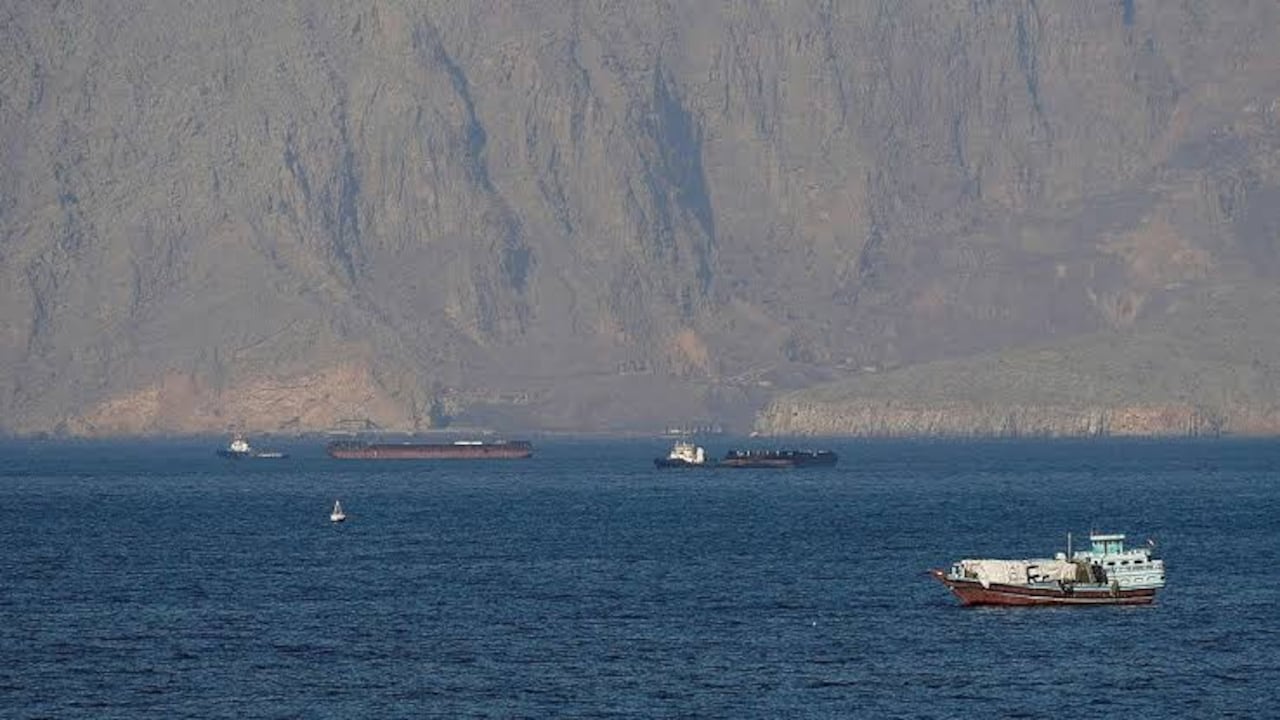
The geography itself creates the conflict. The strait is narrow. Ships hugging the southern transit route stay close to Oman's coastline, theoretically outside immediate trouble. But theory and reality rarely match during an active naval standoff.
Washington insists that temporary shipping routes require zero permits, fees, or approvals from regional actors because it is an international waterway. Iran views the presence of foreign warships through an entirely different lens, treating unauthorized paths as hostile moves.
Behind the Diplomatic Posturing
Talks are happening, though officials can't seem to agree on whether those talks are direct or indirect. While top US officials express cautious optimism about reaching an agreement to normalize shipping lanes, Iranian spokespersons flatly deny that bilateral negotiations are taking place.
This mixed messaging creates a nightmare for shipping companies. Cargo operators aren't just looking at political statements; they're calculating insurance premiums, crew safety, and route delays. When CENTCOM says 1,000 ships have made it through safely, it highlights that commerce is happening. Yet, the fact that those vessels require active military protection tells you everything you need to know about the actual danger level.
You can't call a lane "normal" when it requires a military escort to dodge hostile fire.
What Comes Next for Global Shipping
The standoff has dragged on far past original projections, leaving tens of thousands of troops deployed and global markets on edge. If you're tracking energy costs or managing supply chains that touch Middle Eastern ports, relying purely on optimistic diplomatic updates is a recipe for disaster.
The reality on the water is defined by friction, competing jurisdictions, and a constant threat of escalation. Until a formal, ironclad maritime agreement takes shape, navigating the region means preparing for sudden disruptions. Keep your eyes on the insurers and the shipping syndicates—they always know the real score long before governments admit it.