The BBC is wielding the budget axe again, and this time, household favorites are hitting the floor. If you regularly tune in for weekend entertainment, you've likely heard that Live at the Apollo, Celebrity Mastermind, and Blankety Blank are getting the chop.
Let's cut straight to the chase. The corporation is scrambling to claw back 500 million pounds over the next three years. That is a massive financial hole. To fill it, predictable institutional belt-tightening has arrived at the entertainment department's door. But these cancellations represent more than just a line item on a spreadsheet. They signal a profound shift in how British public service broadcasting funds its content. You might also find this connected story useful: Why Tom Cruise And Alejandro Gonzalez Inarritu Dropped The Ball With Digger.
The Cost of Saving Five Hundred Million
Why now? The broadcaster faces intense funding challenges. Years of frozen licence fees, shifting consumer habits, and rising production costs have finally forced management's hand. Back in June, executives signaled plans to slash hundreds of roles and scale back development spending.
Now, the cuts are hitting prime-time television. Management confirmed that the content division will drop roughly 100 to 150 hours of originated TV programming across various genres by the 2027-28 fiscal year. As extensively documented in recent coverage by Rolling Stone, the effects are worth noting.
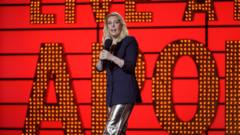
Live at the Apollo is arguably the hardest pill to swallow for comedy fans. Running for 22 years, the stand-up showcase served as a vital incubator for British comedy. Before packing out arenas, acts like Michael McIntyre, Russell Howard, and Jason Manford cut their teeth under those iconic neon lights. Losing a premier television platform for rising comics leaves a gaping hole in the industry.
While the show has one final series left to air, its departure leaves emerging talent without an obvious terrestrial stepping stone. The BBC claims it will pivot toward digital plans for stand-up, but YouTube clips rarely match the cultural weight of a prime-time slot on BBC One.
What Happens to the Rest of the Schedule
Do not panic entirely about the quiz format. While Celebrity Mastermind is heading for the archives after its upcoming final series, the standard civilian version hosted by Clive Myrie is safe.
Blankety Blank faces a different kind of exit strategy. Bradley Walsh revived the nostalgic game show format back in 2020 to solid viewing figures. Yet behind-the-scenes scheduling conflicts meant Walsh couldn't commit to a fourth series anyway, making its cancellation a practical inevitability mixed with financial necessity.
Critics argue that cutting populist entertainment alienates the very license-fee payers who fund the broadcaster. Why pay for a public service broadcaster if it stops broadcasting the public's favorite shows?
Conversely, defenders note that television economics have changed. Younger demographics consume content via streaming apps and short-form video. Pouring millions into traditional studio entertainment when audiences fragment elsewhere looks like a losing battle to network executives.
The Shifting Landscape of British Media
Streaming giants operate with deep pockets, buying up talent and inflating production budgets. Traditional broadcasters cannot compete dollar-for-dollar.
When an institution like the BBC tries to save 500 million pounds, light entertainment usually takes the brunt of the damage because drama and high-profile event television are viewed as essential for retaining subscribers and viewers. Yet entertainment shows are precisely what bind a fragmented audience together on a Saturday night.
Expect more announcements like this over the coming months. The corporation has made it clear that this is only the first phase of its savings strategy.
If you love traditional British TV, enjoy the final series of Live at the Apollo and Celebrity Mastermind while they last. An era of television is closing, and the replacement digital initiatives have massive shoes to fill.