The friction points in Asian waterways don't happen by accident. When a military mouthpiece publishes a direct warning about a "rich and powerful" toolbox ready for a "head-on blow," you know diplomacy has taken a back seat.
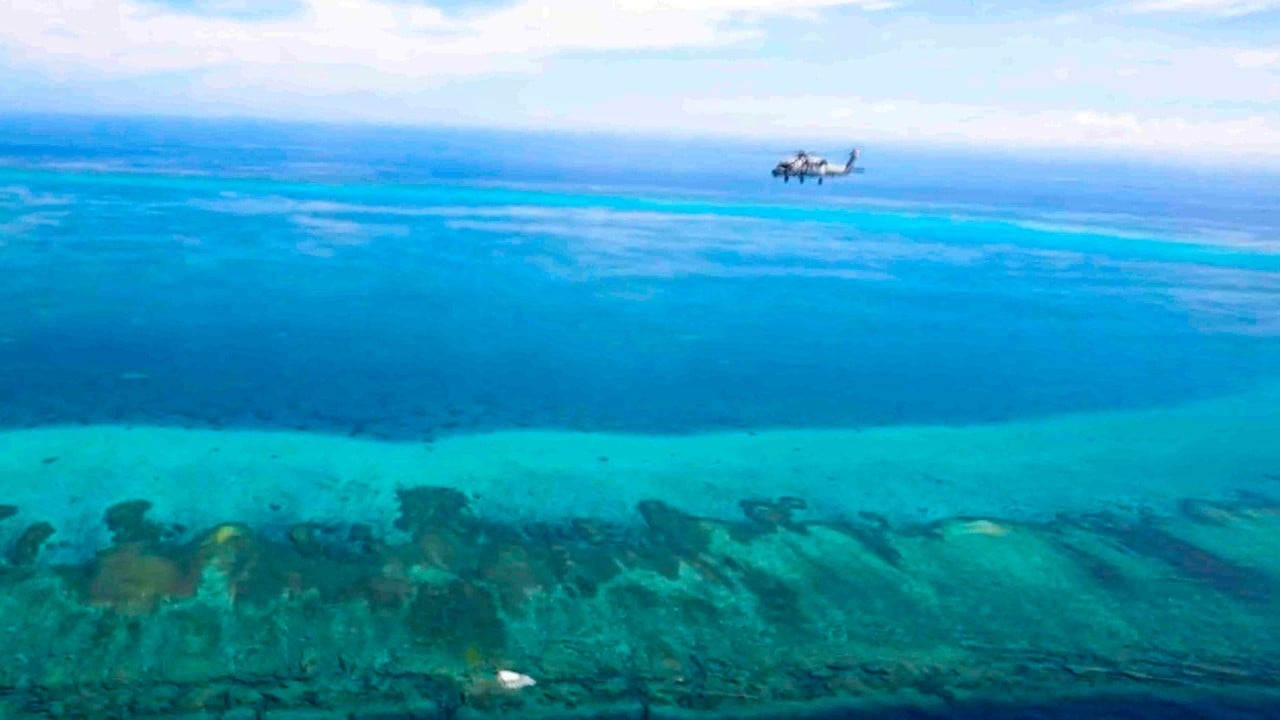
This latest escalation between Beijing and Manila centers squarely on Scarborough Shoal, a low-lying ring of reefs known locally as Panatag Shoal and to China as Huangyan Island. If you've been watching maritime updates lately, you'll notice the rhetoric has shifted from quiet diplomatic protests to sharp, public ultimatums. Let's break down why this flashpoint matters right now and what is actually driving the tension.
The Trigger Behind the Latest Warning
The immediate spark came after Manila filed its official nautical chart for Scarborough Shoal with the United Nations. China views this legal maneuver as a direct challenge to its territorial boundaries.
Instead of letting the paperwork sit quietly in international registry offices, Beijing responded on multiple fronts simultaneously. The People's Liberation Army mounted joint naval and air drills right around the disputed features. At the same time, the China Coast Guard rolled out active exercises in the area and published formal regulations for a nature reserve layout previously announced for the shoal.
When commentary pieces appear in state media under pen names like Jun Sheng, analysts read them as direct policy signals from the top military establishment. The message is blunt: any administrative actions or cartographic submissions from the Philippines that codify maritime claims will face immediate countermeasures.
Mapping Out the Competing Strategies
You can't understand this standoff without looking at how both capitals are playing their hands. Manila is leaning heavily on international law, specifically invoking the United Nations Convention on the Law of the Sea and the 2016 arbitral ruling that invalidated sweeping historical claims in the region. By submitting official charts and baseline definitions to global bodies, the Philippines wants to anchor its territorial rights into formal multilateral frameworks.
Beijing takes the opposite approach. It rejects the arbitration entirely, viewing domestic Philippine legislation and UN submissions as infringements on sovereign territory. Rather than fighting legal battles in international courts, China relies on physical presence, coast guard patrols, and military deterrence to establish facts on the water.
This creates a high-stakes cycle:
- Manila files maps or conducts resupply runs.
- Beijing deploys naval drills and coast guard vessels.
- State media issues warnings about the "toolbox" of countermeasures.
What Most People Miss About the South China Sea Flashpoints
Casual observers often think these incidents are isolated flare-ups over fishing rights or small patches of coral. They aren't. Scarborough Shoal represents a strategic gateway. Control over these waters influences shipping lanes carrying trillions of dollars in global trade and impacts vast untapped energy reserves beneath the seabed.
When military spokespeople talk about a "head-on blow," they're signaling that patience is wearing thin regarding foreign backing. Beijing consistently accuses Manila of inviting outside powers—primarily the United States—into regional disputes to complicate matters. From the Chinese perspective, external interference turns local maritime disagreements into major geopolitical proxy struggles.
Where This Leaves Regional Stability
The diplomatic window is narrowing. As long as Manila continues pressing its legal advantage through international bodies and domestic maritime laws, Beijing will likely counter with expanded coast guard presence and more aggressive exercises.
Neither side wants an all-out military conflict, but the margin for error during close-quarters maritime maneuvers shrinks with every passing week. Watch the frequency of joint patrols and the enforcement of newly declared administrative zones over the coming months to see how far either government is willing to push the envelope.