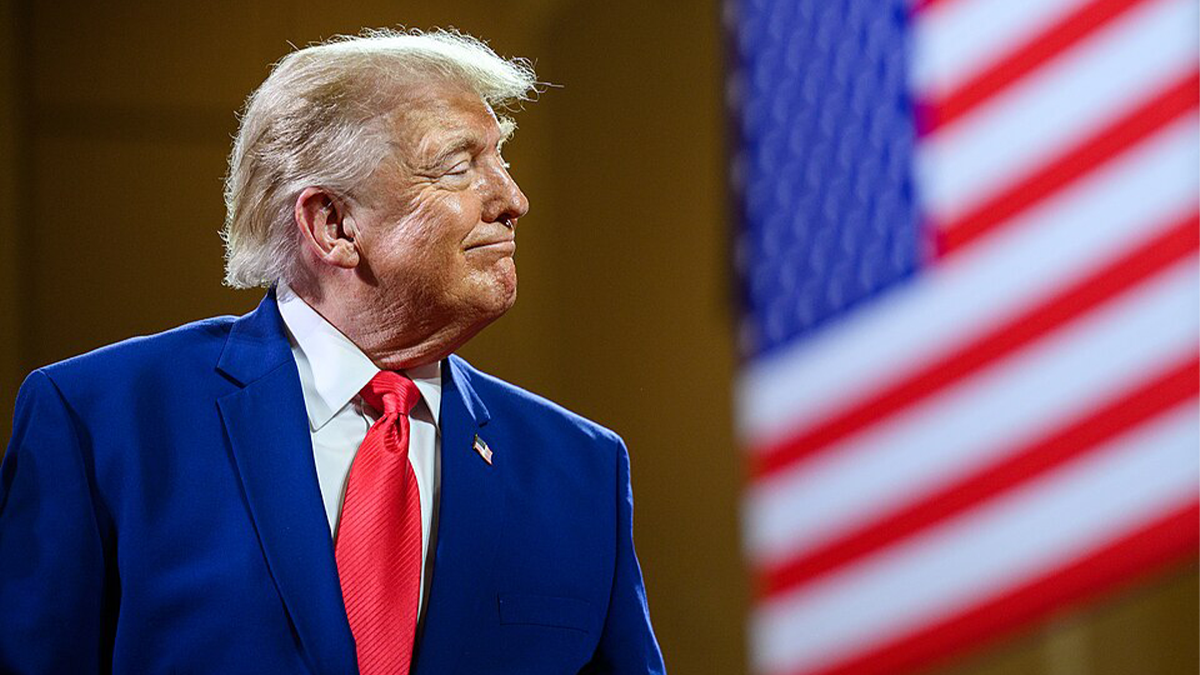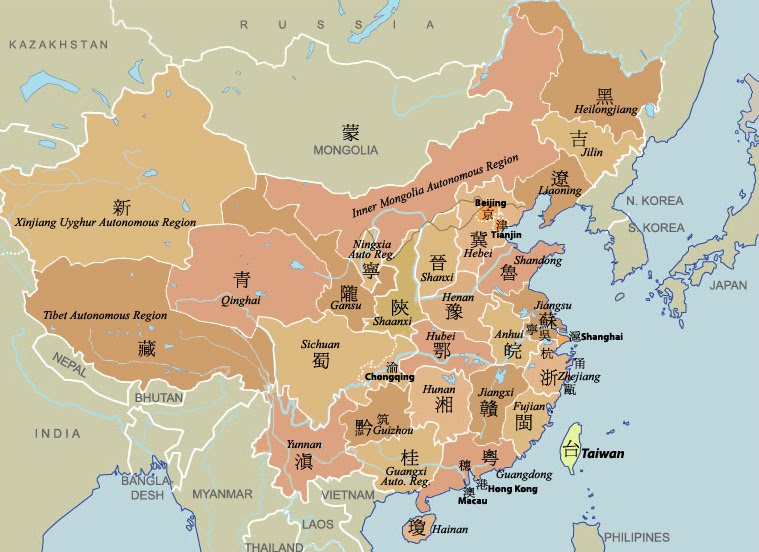
The tide of history doesn't usually care about political speeches, but when Chinese President Xi Jinping steps up to a podium in Beijing to talk about Taiwan, capitals around the globe sit up and listen.
During a ceremony marking the 160th anniversary of revolutionary figure Sun Yat-sen's birth in November 2026, Xi laid out a familiar yet sharp message. The core argument was blunt: the complete integration of Taiwan with the mainland must happen, and the course of history cannot be halted. If you think this is just standard political rhetoric meant for domestic TV screens, you're missing the broader strategic signaling happening right now across the Taiwan Strait.
Why Sun Yat-sen Matters to Beijing's Playbook
History is a weapon in modern geopolitics, and Beijing knows how to wield it. By tying the objective of Taiwan reunification to Sun Yat-sen, the founder of the Republic of China in 1911, Beijing is playing a long ideological game. Both sides claim a connection to Sun's legacy, yet they interpret it in radically different ways.
In Taipei, Sun is revered as the father of the nation, while the ruling Democratic Progressive Party under President Lai Ching-te maintains a distinctly separate democratic identity. Meanwhile, Beijing positions Sun as the distant forerunner of the 1949 communist revolution. It's a clever way for Chinese leadership to frame territorial ambitions not as an act of aggression, but as the fulfillment of a long-delayed historical destiny.
The Reality Behind Peaceful Framing
Xi's recent address leaned heavily on the concept of peaceful reunification and the "one country, two systems" framework. He noted that Beijing remains open to dialogue, provided Taipei adheres to the one-China principle.
Here's the catch that everyone in Taiwan understands too well. No major political party in Taiwan actually supports the "one country, two systems" model. Taipei's Mainland Affairs Council has repeatedly pointed out that accepting such a framework means submitting to the authoritarian governance of the Communist Party.
While Xi left direct mentions of military force out of this specific speech, nobody in Taipei or Washington is letting their guard down. Daily military patrols, naval sweeps, and gray-zone tactics by Chinese forces around the island continue unabated. Beijing's operational reach is pushing further into the Pacific, creating a tense reality that contradicts the calm tone of diplomatic invitations.
The Timing of the Rhetoric
Why drop these heavy historical assertions at this specific moment? Timing is everything in international relations. This speech arrived just ahead of major diplomatic summits and local electoral cycles in Taiwan, serving to draw a hard line in the sand before high-stakes talks with Western leaders.
Beijing views current leadership in Taipei through a deeply hostile lens, refusing formal communication channels and labeling officials as separatists. On the other side, Taiwan continues to bolster its defense capabilities, purchasing modern fighter jets and upgrading coastal surveillance to deter any sudden moves.
Ultimately, speeches about the unstoppable march of history won't resolve the fundamental disagreement over who gets to decide Taiwan's future. The gap between Beijing's historical destiny and Taipei's democratic reality remains as wide as ever.
China's Xi: History cannot be stopped, Taiwan 'reunification' must
This video provides direct coverage and footage of Chinese President Xi Jinping's speech addressing the inevitability of Taiwan's reunification.