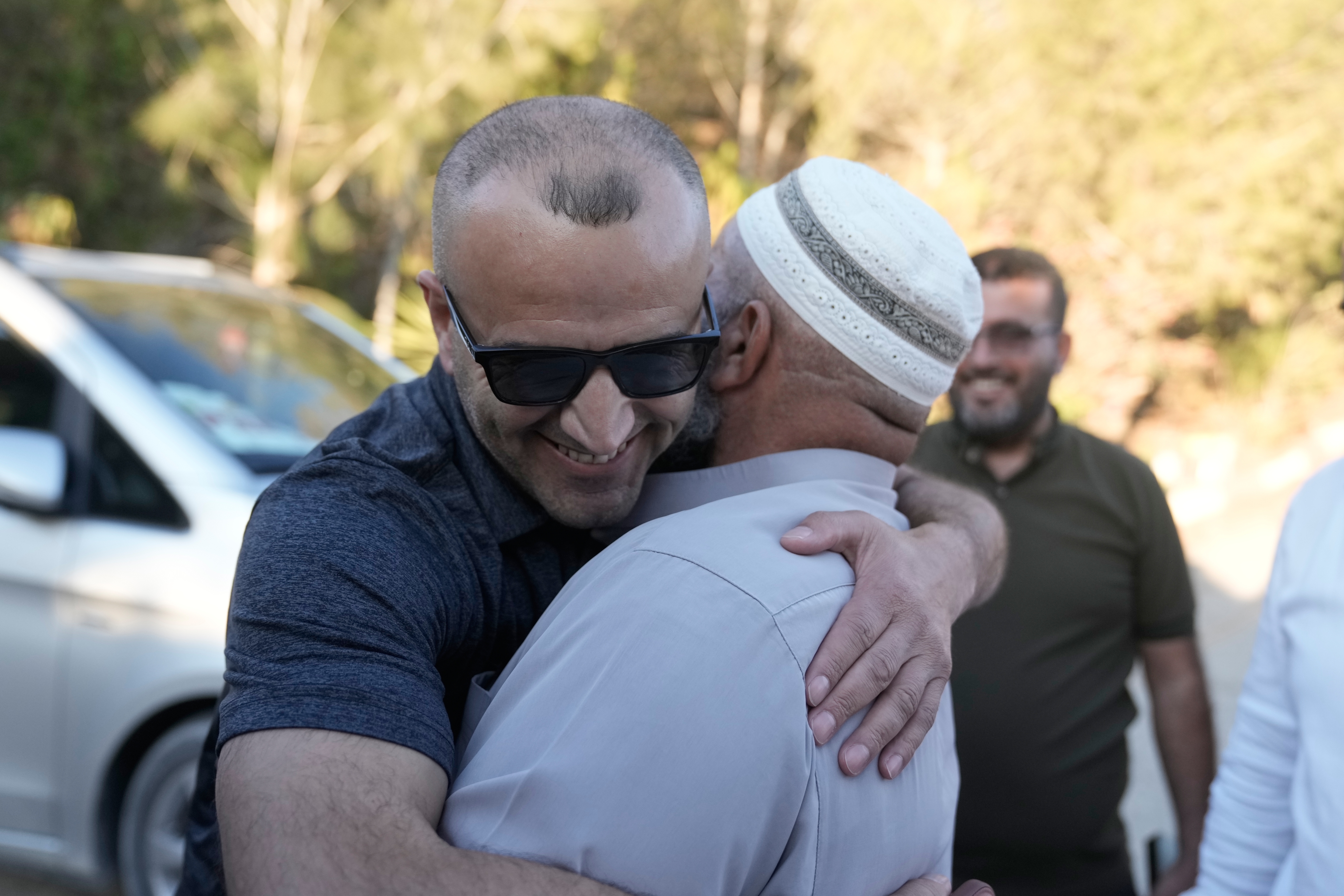
Loui Ridi didn’t expect to fight for his own front door. He lives in Ohio. But his family home sits in Qusra, a village in the occupied West Bank that has become a flashpoint for regional instability. For over a week, that home was under siege by Israeli settlers.
When Ridi finally managed to travel back to his ancestral land this August, he wasn't met with the homecoming he imagined. He found settlers roaming his property. He found his family trapped inside. Most frustratingly, he found that the Israeli military—an institution ostensibly there to keep order—had turned his property into a "closed military zone."
This isn't just about one house. It's about what happens when you’re a dual citizen caught in a geopolitical grindstone.
The Reality Of A Closed Military Zone
The concept of a "closed military zone" sounds official. It sounds orderly. In practice, for a Palestinian homeowner like Ridi, it’s a cage. When he arrived, the soldiers didn't clear the settlers. They told Ridi to go inside his own house and stay there.
If he wants to leave? He needs "coordination." That’s bureaucratic speak for "wait hours, hope for permission, and pray you aren't shot."
He isn't alone in this. The broader context here is a West Bank that has been burning since at least July 2026. Data from the United Nations and Human Rights Watch paint a grim picture. We aren't talking about isolated arguments over property lines. We’re talking about an environment where hundreds of Palestinians have been injured or killed in the last year alone, often during clashes involving armed settlers.
Why This Matters In 2026
You might wonder why a specific case in Qusra deserves attention when the news cycle is constant. It’s because the Qusra situation is a microcosm of the systemic failure in the region.
- The Impunity Gap: When settlers can surround a home for over a week and the army refuses to remove them, the message to the residents is clear: you are on your own.
- The Diplomatic Fail: The United States has condemned these sieges. Yet, when a U.S. citizen returns to protect his family and his property, the U.S. government’s "condemnation" doesn't stop the soldiers from barring his movement.
- The Normalization Of Violence: What we’re seeing in 2026 isn't just "conflict." It's a pattern where violence—arson, intimidation, property seizure—is increasingly normalized. According to reports, settlers are emboldened by the current political climate in Israel, viewing their actions as part of a larger project to expand their reach.
The Human Cost Of Displacement
Ridi’s story is visceral. He’s pleading with soldiers to remove people who have no legal right to be on his land. He’s yelling at individuals he calls terrorists while the soldiers stand by and ask everyone to "leave peacefully."
It’s an absurd scene. Imagine your neighbor walks into your living room, refuses to leave, and the police show up only to tell you to go to your bedroom and lock the door because it's a "sensitive area."
The psychological toll is massive. Ridi noted that even if the army leaves, the settlers are often just waiting for them to turn their backs. "As soon as they leave," he said, "the settlers may come back." It’s a game of cat and mouse where the prize is your family’s safety.
What Needs To Happen Next
If you’re looking for a silver lining, it’s thin. The attention on Ridi’s case has at least forced the Israeli military to acknowledge the situation publicly, even if their response is lackluster. However, awareness isn't a solution.
- Demand accountability: International bodies must move beyond "condemnation" and apply actual pressure on the entities funding and enabling these settler groups.
- Support local documentation: The only reason we know about Ridi’s situation is because he and his family had the means and the courage to record it. Supporting organizations that monitor human rights in the West Bank is one of the few ways to ensure these stories don't disappear.
- Recognize the power dynamic: Acknowledge that this isn't a "clash between two equal sides." It’s an occupied population facing state-backed settlers. Ignoring that distinction is how you get policy that fails everyone involved.
The situation in the West Bank is a powder keg. Every house seized, every home surrounded, and every citizen blocked from their own property makes the eventual explosion more likely. Ridi’s return was supposed to be a relief. Instead, it’s a stark reminder that in some parts of the world, home is the most dangerous place you can be.
Stop expecting international statements to change the reality on the ground. Real change requires systemic intervention that hasn't arrived yet. Until then, families like the Ridis remain trapped in the middle of a shifting, violent landscape.
Palestinian-American returns to home under settler siege
This video provides on-the-ground footage of Loui Ridi’s arrival and the tense interaction between his family, the settlers, and the military presence in the West Bank.