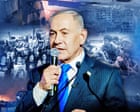
Israel is heading to the polls once again, and once again, the entire political universe revolves around a single man. Benjamin Netanyahu has dominated Israeli politics for three decades, holding office for nearly twenty of those years. As a deeply polarized nation prepares to vote, the central question isn't just whether the opposition can mount a credible challenge. The real puzzle is how a leader presiding over historic security failures and intense domestic upheaval remains a serious contender to keep his job.
If you look at the polls, the race is deadlocked. The anti-Netanyahu bloc—led by figures like former military chief Gadi Eisenkot and his Yashar party—is putting up a fierce fight. Crowds gather at rallies to hear pitches centered on integrity, responsibility, and a return to basic political honesty. Yet, despite the devastation in Gaza, an unhealed national trauma from the October 7 attacks, and an ongoing corruption trial, Netanyahu's grip on power refuses to slip. He remains the sun around which Israeli politics orbits, dictating terms and shaping the electoral battlefield. Meanwhile, you can read other stories here: Why Peter Magyar Turning To Europe Changes Everything For Hungary.
The Anatomy of Survival
How does Netanyahu pull this off election after election? It comes down to a masterclass in narrative control and tribal politics. For his core base, loyalty isn't easily shaken by geopolitical isolation or economic strain. Netanyahu has successfully shifted blame for the intelligence and military failures of October 7 onto security chiefs and state institutions, insulating himself from accountability in the eyes of his supporters.
His media strategy works overtime to reinforce the idea that he is the sole defender of the nation against existential threats. During this current cycle, his campaign plastered billboards framing the vote as a stark binary choice: the right under his leadership or a leftist coalition beholden to Arab parties. It's a blunt, highly effective wedge tactic that instantly rallies his base and puts opponents on the defensive. To explore the full picture, check out the excellent report by Reuters.
Meanwhile, the opposition struggles to counter this heavy-handed framing without losing their own moderate flank. Challengers like Eisenkot emphasize that they represent the "un-Bibi"—focusing on calm competence, steady leadership, and institutional trust. But while that message resonates with secular, urban voters who are desperate for change, it often lacks the visceral emotional pull of Netanyahu's nationalist rhetoric.
The Deep Fractures Within the Opposition
The anti-Netanyahu movement is far from a monolith. It’s an uneasy alliance of convenience made up of former right-wing hawks, centrists, and left-leaning Democrats who share only one common denominator: a burning desire to remove the incumbent prime minister.
Figures like Naftali Bennett and Avigdor Lieberman share much of Netanyahu's hardline ideology on security and settlements. Their fallout with him was personal and tactical, not ideological. When voters look at the opposition camp, they see a fractured house divided against itself. This internal friction makes it difficult to project a unified alternative vision for Israel's future, especially on the critical questions of regional diplomacy, post-war governance in Gaza, and the judicial system.
At the same time, the far right—represented by figures like Itamar Ben-Gvir—pushes the political needle further in an ultranationalist direction. They treat Netanyahu like a vehicle to achieve their own settlement goals, pulling him constantly rightward. Netanyahu has to walk a tightrope, managing these volatile coalition partners while convincing undecided voters that he represents stability.
What Lies Beyond the Ballot
The stakes of this election stretch far beyond the walls of the Knesset. Israel's standing on the global stage has deteriorated sharply, and domestic divisions over judicial overreach have left deep scars across society. Tens of thousands of citizens have protested, and expatriate Israelis are flying home in droves just to cast a ballot against the status quo, signaling a desperate urgency that traditional polling numbers struggle to capture.
Yet, writing Netanyahu off has always been a fool's errand. His political instincts are unmatched, and his ability to weaponize fear and national security during a campaign remains potent. Whether the opposition’s quiet push for integrity can outmaneuver decades of entrenched political machinery will be decided at the voting booths. What is certain is that even if the age of Bibi is drawing to a close, the fractures he leaves behind will define Israeli society for generations to come.


