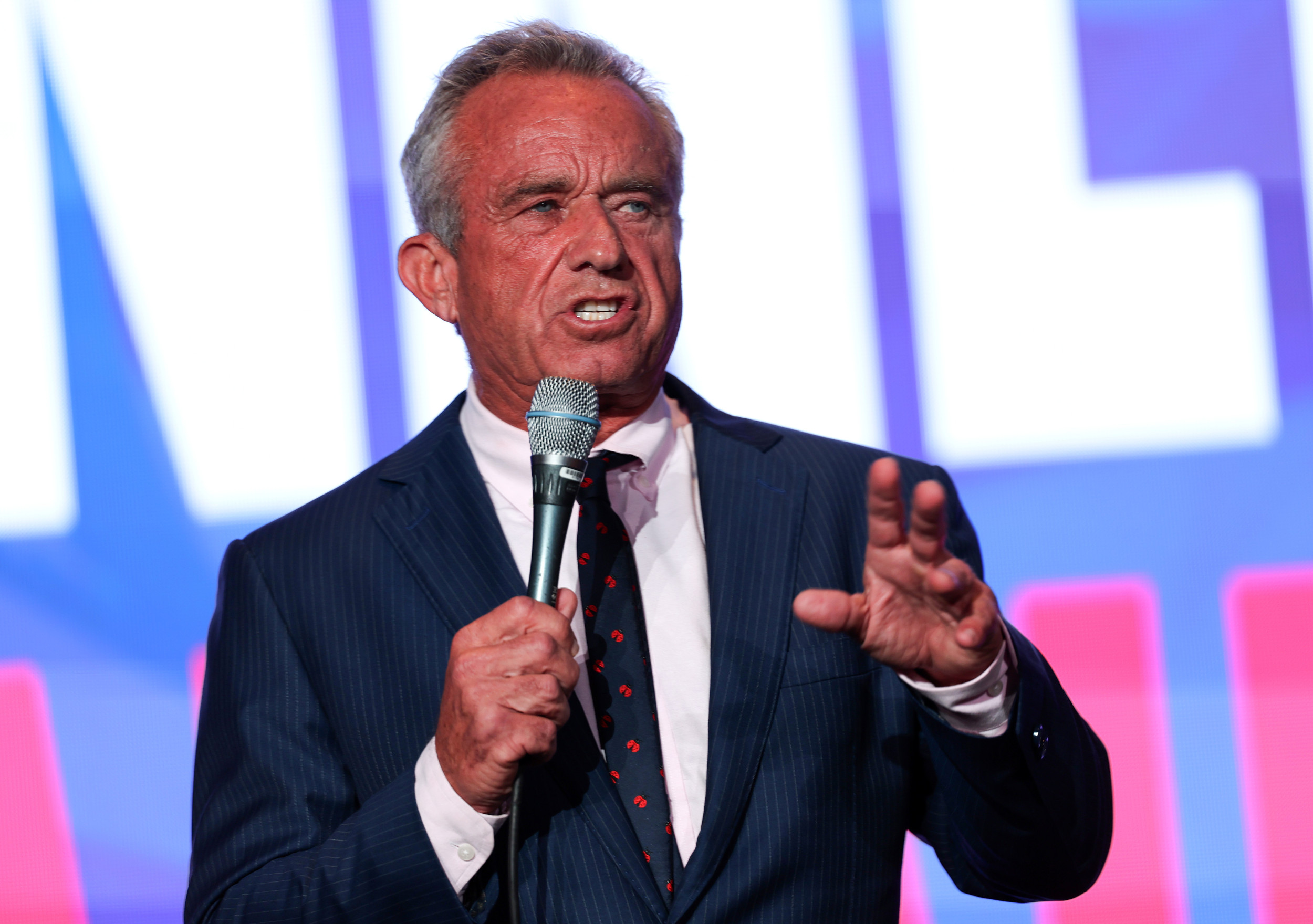
Carrying his granddaughter Alia Rose Kosar-Beck into an auditorium at University Hospitals Cleveland Medical Center on November 18, 2026, Bernie Kosar didn't look like a man who had spent much of the past two years fighting for his life. A year and a day after receiving a lifesaving liver transplant on November 17, 2025, the former Cleveland Browns quarterback looked physically steadier and mentally sharper than many people who watched him endure repeated hospitalizations ever expected. Speaking alongside transplant surgeon Dr. Zoe Stewart Lewis, Kosar admitted he braced himself for a very different anniversary. Instead of faking strength for the cameras, he said he feels happily surprised that the recovery is actually sticking and that he genuinely wants to keep pushing forward.
For fans who remember Kosar orchestrating nine fourth-quarter game-winning drives at Cleveland Stadium or guiding the Browns to three AFC Championship games in the late 1980s, this comeback hits differently. Football comebacks are scripted around two-minute drills and play-action fakes. Post-transplant recovery is messier. It takes place over months of blood draws, medication adjustments, infections, and quiet mornings when you wonder whether your body is cooperating.
What Happened Between the Diagnosis and the One-Year Mark
Most standard news briefs stop at the headline quote and a quick recap of Kosar's passing yards. That leaves out the hardest part of the story. Kosar revealed in 2024 that he had been diagnosed with both liver cirrhosis and Parkinson's disease, going onto the transplant waiting list in July 2024 while dealing with recurring, life-threatening complications.
When the call finally came for surgery on November 17, 2025, the organ came through a directed donation connected to 21-year-old Bryce Dunlap of North Olmsted, Ohio, after the Dunlap family requested it following Bryce's death. Kosar later honored the family on Thanksgiving Day with a $25,000 gift. Yet getting a new liver didn't erase every hurdle overnight. Less than a month after surgery, Kosar had to go back into University Hospitals in December 2025 for an infection and E. coli blood poisoning before being discharged on December 17.
Now, at the one-year mark, the clinical picture looks far more encouraging. According to coverage of the November 18, 2026 press conference, Dr. Stewart Lewis—chief of transplant and hepatobiliary surgery at University Hospitals—called Kosar a model patient and noted clear gains in his mental clarity. Kosar has also been able to scale back a massive daily pill burden that once reached roughly 50 pills a day, shifting instead to routine check-ins and blood work every six weeks as he nears his 63rd birthday.
Why Mental Clarity and Liver Recovery Are Closely Tied
If you've ever seen someone with advanced liver disease struggle with sudden confusion, slurred speech, or heavy brain fog, you already know how deceptive cirrhosis can be. People often assume cognitive decline in a retired NFL quarterback is strictly about concussions or Parkinson's disease. Honestly, that's only part of what can happen.
When a damaged liver can't filter toxins efficiently—especially ammonia and other metabolic byproducts—substances that normally get cleared out can affect brain function, a condition clinicians call hepatic encephalopathy. Even when a patient has overlapping neurological issues like Parkinson's, restoring healthy liver function can lift a heavy layer of toxic fog. You don't suddenly cure a neurodegenerative condition with a liver transplant, and nobody credible would claim otherwise. Still, taking metabolic stress off the body and cutting back heavy medication loads can make a noticeable difference in day-to-day alertness and stamina.
From a medical standpoint, hitting the one-year milestone after a liver transplant is a big deal for a simple reason. According to clinical data summarized by Cleveland Clinic and transplant registry reports from the OPTN/SRTR annual liver data report, roughly 90% of liver transplant recipients reach the one-year mark, while five-year survival sits closer to the low-to-mid 70% range depending on underlying health, age, and complications. The first year is packed with infection risks, rejection checks, and immunosuppressive drug fine-tuning. Making it through that window with steady lab numbers and improved energy is a real achievement, not a formality.
What People Usually Get Wrong About Liver Transplants
Here is a misconception I run into constantly when talking to families facing liver failure. A lot of folks think getting a transplant means you're "cured" the week you leave the hospital.
It doesn't work like fixing a torn ACL or swapping out a bad alternator. A transplanted liver is a second chance, not a free pass from lifelong maintenance. Anti-rejection medications keep your immune system from attacking the donor organ, which is great for the graft—and kinda tricky when it comes to fighting off everyday bacteria or viruses. That's why early post-transplant infections like E. coli are such a well-known hazard during recovery.
Another thing people miss is how emotional the first year can be. When you've been sick for months, your brain gets conditioned to expect bad news. Kosar's remark that he figured he'd be putting on his "actor hat" just to project positivity says a lot about the psychological weight of chronic illness. When you've spent years managing fear and hospital stays, feeling genuinely good can almost catch you off guard.
There's also a debate worth stating plainly around organ allocation and directed or special circumstances. Organ supply in the United States remains tight compared to demand, and every transplant represents a profound loss for a donor's family alongside a lifeline for a recipient. Kosar has leaned into that weight by talking about passing along encouragement and helping athletes dealing with cognitive struggles, though long-term outcomes for any patient still depend on strict adherence to medical care and ongoing monitoring.
Practical Next Steps for Patients and Families Navigating Liver Health
Whether you're cheering on a longtime sports figure or supporting someone in your own family dealing with liver disease, watching a recovery story is most useful when it turns into practical habits.
- Track medications and lab dates in one place. Transplant and advanced liver care involve shifting prescriptions and regular blood panels. Keep an up-to-date list of every drug, dose, and reason for taking it—and bring it to every appointment so doctors and pharmacists can spot interactions or tapering opportunities early.
- Ask the care team clear questions at every visit. Don't leave a specialist appointment guessing what changed. Ask what specific lab markers improved, what symptoms require an urgent call versus routine monitoring, and how infection precautions apply right now.
- Build a realistic support plan for caregivers. Recovery isn't a solo sport. Rides to lab appointments, help organizing pills, and emotional backup on flat days matter just as much as hospital discharge instructions.
- Learn how organ donation works where you live. If Kosar's story moves you, look into official donor registration through Organdonor.gov or your state's registry and talk with your family about your wishes so they aren't left guessing in a crisis.
One year after surgery, Bernie Kosar isn't talking about throwing another touchdown pass. He's talking about being present with his family, staying sharper, and keeping the momentum going one checkup at a time.