Bulldozers running through pristine desert wilderness don't stop themselves. It takes a federal courtroom in El Paso and a judge willing to draw a hard line.
U.S. District Judge Kathleen Cardone just halted border barrier construction across the entire Big Bend sector, granting a preliminary injunction that stops federal contractors in their tracks. If you've been following the clash between rapid federal infrastructure projects and fragile West Texas ecosystems, this ruling is a massive turning point. But it’s far from the end of the road.
Let's look at what actually happened, why this lawsuit hit home, and what comes next for the rugged Rio Grande borderlands.
The Ruling That Halted the Heavy Machinery
For months, conservation groups, river guides, and local landowners have watched heavy equipment move into areas previously untouched by heavy industrial infrastructure. The Department of Homeland Security previously bypassed standard environmental review laws—including the Endangered Species Act—to expedite barriers across remote stretches of public and private land.
Judge Cardone’s decision on Friday changes the immediate calculus. After hearing four hours of intense testimony from environmental advocates and regional residents, she ruled that plaintiffs' constitutional and environmental claims are likely to succeed. More importantly, she noted that continuing construction would inflict irreparable harm on the region.
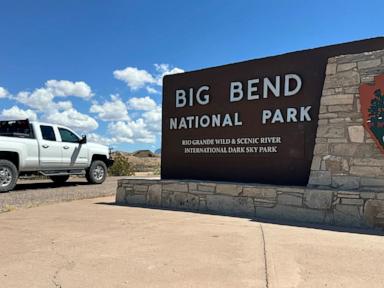
The injunction blocks ground-disturbing work across Big Bend National Park, Big Bend Ranch State Park, and surrounding stretches of Presidio and Hudspeth counties. The machines are parked. For now.
Who Is Actually Fighting the Wall
You might assume opposition to border infrastructure follows a neat partisan playbook, but Big Bend defies simple political boxes.
The lawsuit that triggered this injunction was filed back in April by the Center for Biological Diversity on behalf of the Friends of the Ruidosa Church—a nonprofit trying to preserve historic architecture in Presidio County—and Danny William Miller, a local river guide and landowner facing property disruption in Redford.
Local pushback has been loud and thoroughly bipartisan. Ranchers who have lived along the river for generations, local county officials, river outfitters whose livelihoods depend on tourism, and national park advocates all raised alarms. They pointed out an obvious logistical truth: Big Bend's sheer cliffs, harsh canyons, and brutal desert heat already serve as a formidable natural deterrent. Plowing steel barriers through national parkland traded ecological heritage for questionable strategic gain.
What Happens When Environmental Laws Get Waived
When federal agencies lean on statutory waivers to bypass normal oversight, accountability evaporates. Contractors can carve patrol roads and erect vehicle barriers without standard environmental impact statements or public comment periods.
That shortcut is precisely what put this case in front of Judge Cardone. Environmental groups argued that rushing construction through fragile desert habitats threatens rare species, ruins dark-night skies, and alters unique geological formations that took millions of years to form.
The court agreed that skipping these legal checkpoints creates a high risk of permanent damage before courts can properly weigh the merits.
The Broader Legal Battle
Make no mistake, this preliminary injunction is a temporary shield, not a permanent cancellation.
The federal government can—and likely will—appeal the decision, and the broader underlying lawsuit will take months, if not years, to wind its way through the federal court system. Other legal challenges are also bubbling up across the region as landowners and advocates test every available legal mechanism to protect the borderlands.
If you own property near the Rio Grande, run a business in tourist-heavy towns like Terlingua, or care about public lands, you're caught in a high-stakes tug-of-war between federal security mandates and local preservation efforts.
Keep a close eye on the appellate filings in the coming weeks. Watch how the Department of Homeland Security responds to the bench order. Support local conservation groups tracking the litigation, and if you live in the region, stay informed through local outlets like the Big Bend Sentinel that cover these courtroom developments daily.