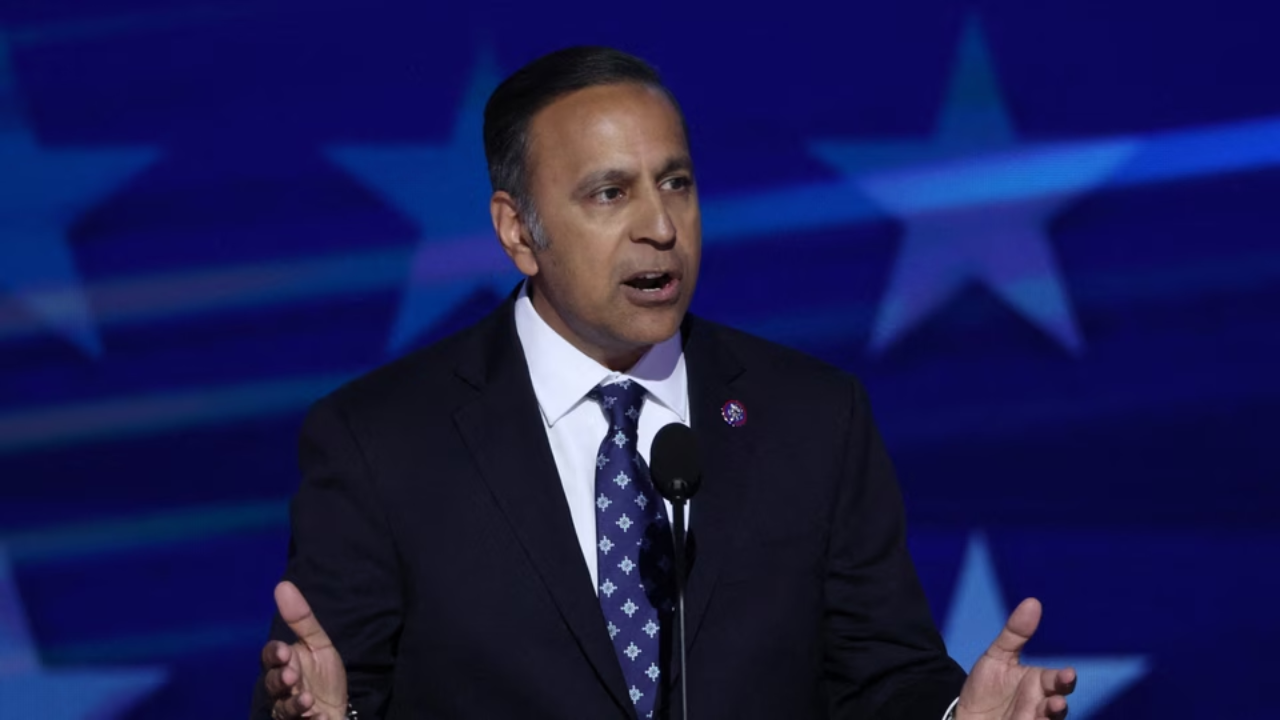
When Illinois Democratic Congressman Raja Krishnamoorthi posted a blunt "Bye bye, Bo. Bigotry is a losing strategy" on social media following the 2026 midterms, he wasn't just throwing internet shade. He was closing the book on one of the most unexpected political collapses in recent Texas history.
Republican candidate Bo French lost the Texas Railroad Commission election to Democrat Jon Rosenthal, breaking a 36-year GOP winning streak for the powerful regulatory agency. How did a down-ballot state race governing oil, gas, and energy pipelines transform into a national referendum on race, immigration, and political decorum? The answer lies in a single viral photo, a bitter social media outburst, and a massive miscalculation of voter tolerance in modern Texas.
The Viral Post That Derailed a Down-Ballot Campaign
Back in September 2026, the University of Texas Longhorns secured a thrilling home victory against Ohio State. In the stands, a group of college students in burnt-orange gear cheered on their team.
Instead of seeing college football passion, Bo French saw an opportunity to push culture-war messaging. He shared an image of predominantly South Asian American students cheering at the game, adding a incendiary caption claiming that American families were being replaced by foreigners. He followed up by writing that the situation was far worse than anyone imagined.
The reaction was immediate and fierce.
The problem for French was twofold. First, football fans don't like their game-day celebrations turned into political target practice. Second, many of the students he targeted were American citizens, including local Texas students like Dhairya Gupta, a naturalized citizen studying computer science at UT Austin. When students spoke out, calling the remarks offensive and absurd, the narrative shifted overnight.
It wasn't long before senior figures within French's own party began pulling away. Even veteran strategist Karl Rove publicly broke ranks, calling French's comments unacceptable and signaling that mainstream conservatives had reached their limit with unforced culture wars in regulatory races.
Why the Texas Railroad Commission Seat Actually Matters
Most voters outside Texas—and quite a few inside the state—don't fully grasp what the Texas Railroad Commission does. Despite its historic name, it has almost nothing to do with trains.
It regulates the state’s massive oil and natural gas industry, oversees pipeline safety, and manages surface mining operations. In short, it is one of the most influential state-level energy regulators in the country. Because Texas drives a huge portion of national energy production, sitting on this three-member board carries massive economic clout.
Republicans had locked down every seat on the commission since 1990. Candidates typically ran on straightforward platform points:
- Streamlining drilling permits and environmental reviews
- Protecting energy industry jobs across the Permian Basin
- Maintaining reliable power grid supplies during severe weather
- Keeping state energy regulations free from federal oversight
By shifting the conversation from pipeline infrastructure to xenophobic attacks on university students, French broke the cardinal rule of Texas energy politics. He turned a routine conservative policy debate into a high-visibility platform for racial grievance, alienating moderate suburbanites who usually vote red on economic grounds.
How Jon Rosenthal Capitalized on the Backlash
Democrat Jon Rosenthal, a state representative from the Houston area with an engineering background, didn't have to invent a complex campaign pitch. He simply focused on competence, energy reliability, and contrast.
Rosenthal highlighted his technical background in mechanical engineering, speaking directly to industry realities while letting French dig his own political hole. As national headlines focused on French's social media posts, small-dollar donors and civic volunteers flooded into Rosenthal's campaign.
Key Factors in the 2026 Texas Railroad Commission Flip:
1. High suburban voter turnout responding to controversial social media posts
2. Major pushback from South Asian and Asian American voter advocacy groups
3. Public condemnation from traditional GOP strategists and conservative leaders
4. A disciplined campaign by Rosenthal focused on professional regulatory oversight
When the votes were tallied on November 3, Rosenthal secured a clear victory, becoming the first Democrat elected to the Texas Railroad Commission in over three decades.
The Broader National Takeaway for Both Parties
Raja Krishnamoorthi's post struck a chord because it highlighted a real shift in voter tolerance. Suburban communities across Texas, from Fort Bend County outside Houston to the northern suburbs of Dallas, are far more diverse and politically sensitive than they were a decade ago.
Campaign strategists on both sides of the aisle should take note of a few concrete lessons from this result:
Culture War Limits
Extensive identity-based attacks can backfire when aimed at everyday citizens rather than policy opponents. Targeting college kids at a football game crossed a line for swing voters who just wanted stable governance.
Down-Ballot Vulnerability
Down-ballot races are no longer safe havens for radical rhetoric. Nationalized social media exposure means a local candidate’s posts can easily reach millions, driving up opponent turnout in high-density precincts.
Suburban Demographics
The Asian American and South Asian American voting blocs in Texas are growing rapidly. Dismissing these communities or treating naturalized citizens as political props carries immediate electoral costs at the ballot box.
Practical Steps for Following Local Regulatory Elections
If you want to stay informed about regulatory agencies and avoid getting caught in spin cycles during election years, keep these practical habits in mind:
- Check primary regulatory duties first. Look at the agency's official mandates—such as grid stability, environmental oversight, or consumer pricing—rather than social media drama.
- Track campaign funding sources. High-stakes commission races often involve heavy spending from energy PACs, environmental groups, and out-of-state donors.
- Follow local investigative reporting. Outlets like the Texas Tribune and local daily newspapers routinely cover policy records and campaign controversies well before national news outlets pick them up.
- Examine candidate professional experience. For specialized roles like the Railroad Commission, engineering, legal, or energy-sector experience often dictates how effectively an official can manage the board's complex technical portfolio.
Politics moves fast, but the 2026 Texas Railroad Commission race proved that basic public decorum and policy competence still hold real weight with voters.


