Seven metric tonnes of roasted, seasoned fox nuts just left Darbhanga in containers bound for Canada. That single sea shipment through Mundra Port signals a massive shift in how traditional Indian crops compete internationally. For years, farmers sold raw or lightly processed makhana for pennies, while foreign brands profited off packaging and seasoning. Now, direct value-added exporting is changing the math entirely, putting over 50 percent higher returns straight into the pockets of producers who actually harvest the crop.
The Real Shift Behind the Global Makhana Boom
People usually think of makhana as a plain, humble fasting snack eaten during religious festivals. That perception is outdated. Global consumer habits have shifted hard toward clean-label, gluten-free, and plant-based snacks that don't wreck your health. Fox nuts tick every single box. They are naturally loaded with protein, fiber, and antioxidants, making them a prime alternative to greasy potato chips or heavily processed corn puffs.
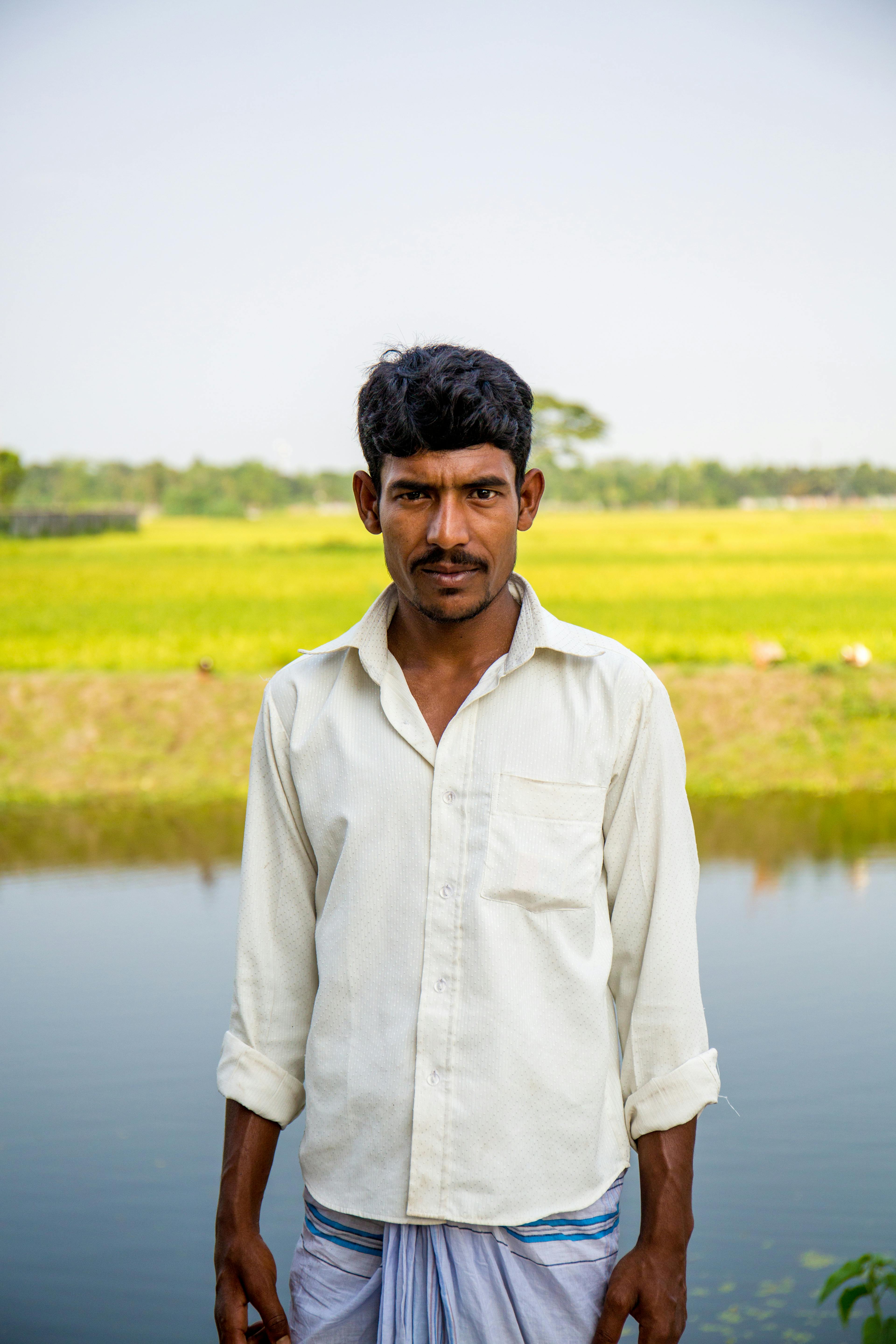
India produces roughly 120,000 tonnes of makhana every year, and Bihar accounts for over 85 percent of that total. Districts like Darbhanga, Madhubani, and Purnea form the absolute heartland of this aquatic crop. But harvesting makhana is brutal manual labor. Farmers wade into murky wetlands, scour pond beds, and manually pop the seeds. For generations, they absorbed all the physical hardship while capturing very little of the retail upside.
Value Addition Changes Everything
Raw processed makhana typically fetches local farmers between 300 and 500 rupees per kilo. Once you grade, roast, and toss those same seeds in modern global flavor profiles—like peri-peri, cheese, or barbecue—the retail price in domestic supermarkets climbs past 1,000 rupees. Export-grade packages hit even higher margins overseas.
When Nutrivin Agro Private Limited processed that recent shipment for ZKV Foods in Canada, they weren't just moving raw commodities. They were selling a finished, branded product. Meeting strict international food safety standards means Bihar is no longer just a raw material supplier. It is stepping up as a finished-goods manufacturer. Government bodies like APEDA and the recently established National Makhana Board are pushing hard to institutionalize this transformation through better seed varieties, modern post-harvest machinery, and targeted export promotion schemes.
What International Buyers Actually Want
If you want to sell agricultural products abroad, you cannot rely on nostalgia. International buyers care about three strict metrics: supply chain reliability, uniform grading, and certified food safety compliance.
In the past, fragmented supply chains meant foreign importers struggled to get consistent bag sizes or reliable delivery timelines from local producers. Consolidating processing units right inside Bihar's core farming districts solves this bottleneck. When processing happens locally, quality control improves instantly. Farmers learn which seed sizes command top dollar, and packaging plants seal products immediately to retain crunch and freshness during long sea journeys.
The Financial Reality for Local Farmers
Higher export prices do more than look good on government press releases. When farmers earn over 50 percent more through direct global market access, local rural economies transform. Families invest in better agricultural tools, upgrade their homes, and fund higher education for their kids. This economic cushion stops rural youth from abandoning farming out of sheer frustration with low margins.
Of course, challenges remain. Scaling up production requires massive investments in artificial ponds, scientific cultivation techniques, and energy-efficient roasting equipment. Managing supply chain logistics out of inland regions like Darbhanga to major ports like Mundra still demands tight coordination.
Fix those logistical hurdles, and you unlock a permanent competitive advantage.
Stop viewing local agriculture as a low-margin survival game. Value-added manufacturing proves that traditional crops can dominate premium international markets if you control the processing pipeline from end to end.