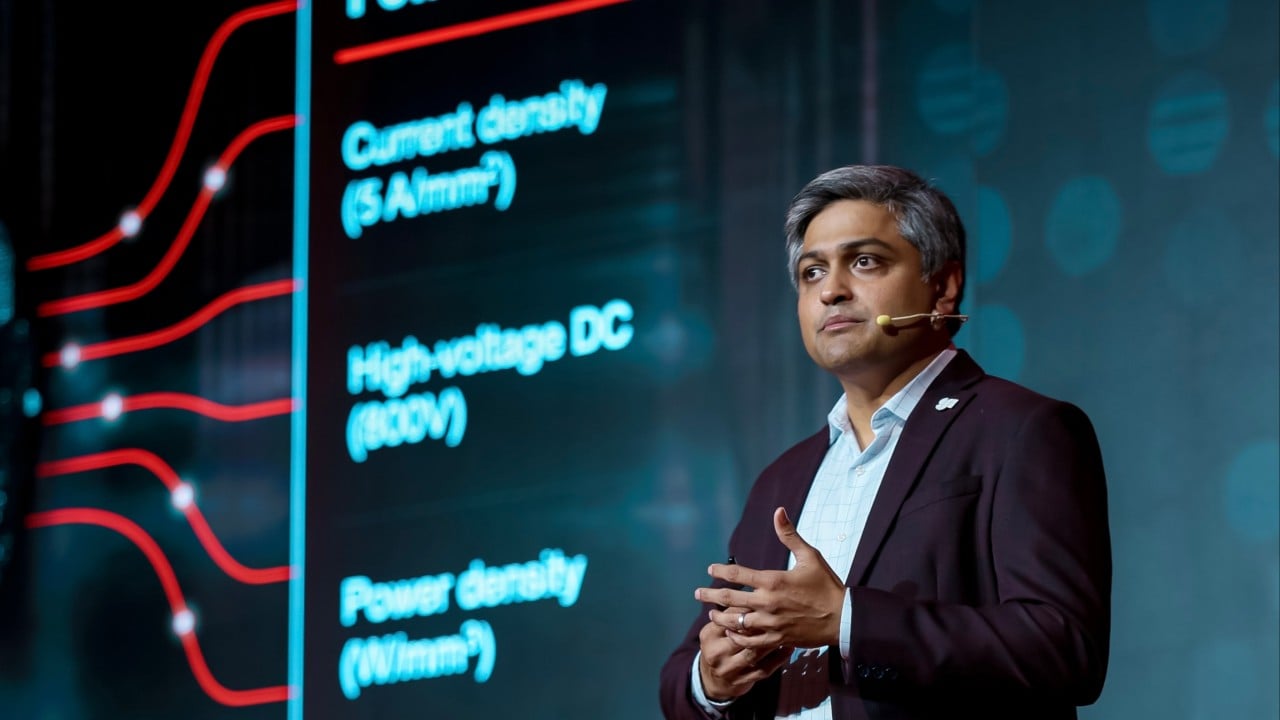
Artificial intelligence is racing ahead while politicians argue about who should hold the steering wheel. Bill Gates just made it clear that running artificial intelligence without strict safety rules is completely irresponsible.
During an interview on NBC News' Meet the Press, the Microsoft co-founder didn't mince words. He pointed out that leaving frontier models completely unchecked leaves the door wide open for bad actors. When people with ill intent get their hands on advanced automation tools for bioterrorism or mass financial fraud, the consequences scale fast. Yet, much of Washington and Silicon Valley treats artificial intelligence regulation as a mere speed bump in a geopolitical race against rival nations.
Why the Nationalistic Race Narrative Falls Apart
You've probably heard the argument before. Tech executives and politicians claim that slowing down or implementing mandatory federal guardrails means losing the global race. They argue that if American companies pause to build safety rails, competitors overseas will eat our lunch.
It sounds convincing until you look at how real-world catastrophes happen. Gates dismissed the idea that basic monitoring capabilities would cause a dramatic slowdown in innovation. Building monitoring features and safety verification into frontier models doesn't kill the industry. It prevents a catastrophic accident that could wipe out public trust entirely.
When leaders frame every technology breakthrough through a nationalist lens, safety becomes a casualty. We saw this during historical arms races, but artificial intelligence scales differently. A software vulnerability or a rogue agent doesn't respect international borders.
The Real Threat Isn't Sci Fi
Hollywood loves to portray artificial intelligence as a sentient robot turning against humanity. That makes for great box office returns, but it misses what's actually happening on the ground today.
The real danger comes from human intent, amplified by machine speed. Imagine bad actors combining automated systems with biological research or orchestrating coordinated multi-billion-dollar fraud campaigns across global financial networks. Gates noted that humanity has never faced a weapon as powerful as the combination of bad actors armed with the latest model iterations.
That is why mandatory monitoring capabilities matter. If you build systems capable of reasoning at superhuman levels, you need tripwires that can detect misuse before disaster strikes. Relying on companies to self-police while they compete for market share is a gamble we shouldn't take.
What Actually Needs to Happen Now
Waiting for Congress to pass sweeping, perfect legislation is a recipe for inaction. Lawmakers move slowly, while tech labs ship updates every few weeks.
Instead of waiting for a legislative miracle, the industry needs a baseline standard for accountability. Third-party evaluators must test models for dual-use risks before public deployment. Companies should be required by law to maintain transparent monitoring logs that law enforcement can access when specific thresholds of misuse are crossed.
If you are building products or running operations reliant on modern language models or autonomous agents, stop treating safety as an afterthought. Audit your vendors. Demand to know what guardrails exist behind the API endpoints you use every day.
Regulation isn't the enemy of progress. Unchecked chaos is.