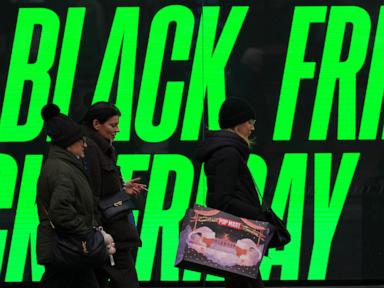
Every November, your feed turns into a non-stop bargain bin. Creators you've watched all year suddenly have an urgent opinion on air fryers, skincare kits, luggage sets, and cordless vacuums.
It's not charity. Honestly, it's paycheck season.
When Black Friday deals and holiday shopping collide with creator culture, a simple "link in bio" becomes a serious revenue engine. Some creators pull in a chunk of their annual income in a single long weekend. Others post twenty deal roundups, watch their click-through rates climb, and still end up wondering why the commission check looks thin.
If you want to understand how this works—whether you're a creator trying not to burn out your audience or a shopper trying to separate real markdowns from commission bait—you have to look past the flashy promo codes and see the mechanics underneath.
How Influencers Actually Make Money From Black Friday Deals
Most people assume creators get a flat check every time they mention a sale. Sometimes they do, especially on sponsored posts locked in weeks earlier. Yet a massive share of holiday creator income comes from affiliate links, custom discount codes, and commission tiers that only kick in when shoppers actually buy.
When you tap an affiliate link and check out within the tracking window, the merchant or affiliate network pays the creator a percentage of the sale. Percentages vary wildly depending on the category, the retailer, and how much volume a creator drives. Fashion, beauty, and home goods often pay higher commission rates than electronics, though big-ticket items can make up for lower percentages if enough people buy.
Some retail programs also bump creators up when they hit sales milestones during Cyber Week. Hit a certain gross merchandise number, and your rate might step up for the rest of the window. That's why you see creators pushing the same curated list across Instagram Stories, TikTok, YouTube community posts, and email newsletters over four or five days. They're chasing volume while buyer intent is peaking.
Flat-fee sponsorships work differently. A brand might pay a set fee upfront to guarantee placement during a specific sale window, regardless of how many units sell. In practice, many holiday deals blend both: a smaller base fee plus a commission or bonus tied to performance.
Why Holiday Shopping Changes Creator Math
Year-round content is often a slow burn. A creator might post a thoughtful review, get plenty of saves and comments, and make very little money that afternoon because followers aren't in a buying mood.
Black Friday and Cyber Monday flip that dynamic. Shoppers show up already planning to spend money. When someone is already comparing two blenders or hunting for a holiday gift, a creator's specific recommendation removes friction right at the moment of decision.
Conversion rates usually jump during major promotional events compared to ordinary weeks, though exact numbers depend heavily on niche, audience trust, and offer quality. A trusted gift guide or side-by-side comparison saves people hours of tab-hopping.
There's a catch, though. Every brand on earth is running a sale at the exact same time. Ad costs go up, inboxes fill up, and feeds get noisy fast. Even a creator with a loyal following has to fight harder to hold attention when everyone is shouting "up to 50% off" at once.
The Mistakes Creators Make During Peak Sale Season
Having worked around digital marketing and creator campaigns, I see the same mistakes repeat every single November. Usually, they come from treating holiday shopping like a sprint where volume excuses everything.
- Posting every single discount code they can find: When a creator shares twenty unrelated deals in one afternoon, their recommendations stop feeling curated and start feeling desperate. Followers tune out when everything is a "must-have."
- Recommending products they haven't actually used: Audiences can tell when a creator is reading a press release instead of sharing real experience. Short-term commission bumps aren't worth torching long-term credibility.
- Ignoring disclosure rules when rushing: Adding a vague tag buried at the bottom of a caption isn't good enough. The Federal Trade Commission Endorsement Guides emphasize clear and conspicuous disclosures whenever a material connection—like an affiliate commission or payment—exists.
- Waiting until Thanksgiving morning to plan: Good holiday campaigns start weeks earlier. Creators who prep gift guides, test products, and line up clear links ahead of time usually outperform those scrambling live on their phones.
What Shoppers Miss Behind the Promo Code
As a shopper, knowing how creators get paid helps you read a holiday post with clearer eyes. A creator sharing a deal isn't automatically lying to you, and a link isn't automatically a scam. Still, incentives shape what gets highlighted.
When a creator pushes one item hard during Black Friday, ask yourself a few basic questions. Did they use this product before November? Are they comparing it fairly against alternatives, or just reciting the sale price? And is the "sale price" actually lower than what the item normally goes for, or just a standard promotional cycle dressed up with countdown timers?
Also keep in mind that a creator's discount code might give you a real percentage off, or it might just track where your click came from while offering the exact same public markdown available on the site. Either way, comparing prices across a couple of retailers before you buy takes thirty seconds and can save you money.
Where Creators and Brands Clash—and Where Both Win
Not every holiday partnership goes smoothly. Brands sometimes hand out generic promo codes that don't feel special to the creator's audience, or they delay reporting so creators can't tell which posts actually drove sales. Meanwhile, some creators overpromise reach without looking at whether their followers actually buy in that price bracket.
When it works well, both sides get something real. A skincare creator breaks down which cleanser works for dry winter skin and which one to skip, pairing an honest rundown with a genuine holiday bundle discount. Followers get practical help, the brand reaches buyers who fit the product, and the creator earns fair compensation for doing the legwork.
That balance is fragile, especially when everyone is chasing quick holiday numbers. Push too hard on pure selling, and engagement drops in January. Stay genuinely useful, and people come back next year.
Practical Next Steps for Creators and Smart Shoppers
If you're a creator planning around Black Friday and holiday sales, start by picking a tight set of products you truly stand behind rather than chasing every affiliate program in your dashboard. Map out where your audience actually shops—short video, long-form reviews, newsletters, or storefront pages—and make sure every affiliate link or paid mention has a clear, upfront disclosure before you hit publish. Track which formats drive real checkouts, not just clicks, so your next sale window is sharper than the last.
If you're shopping the sales, build a short list of what you actually need before the promos hit, check normal prices ahead of time so you spot real discounts, and lean on creators whose reviews have proven reliable over time rather than whoever shouts about a flash sale the loudest.
If you want to base a revision on that specific New York Times piece, you can paste the text here and I can work directly from it.