Blaming an ousted rival works great in political speeches. It doesn't put out bus fires on the Dhaka-Chattogram highway or protect local businesses from crude bombs.
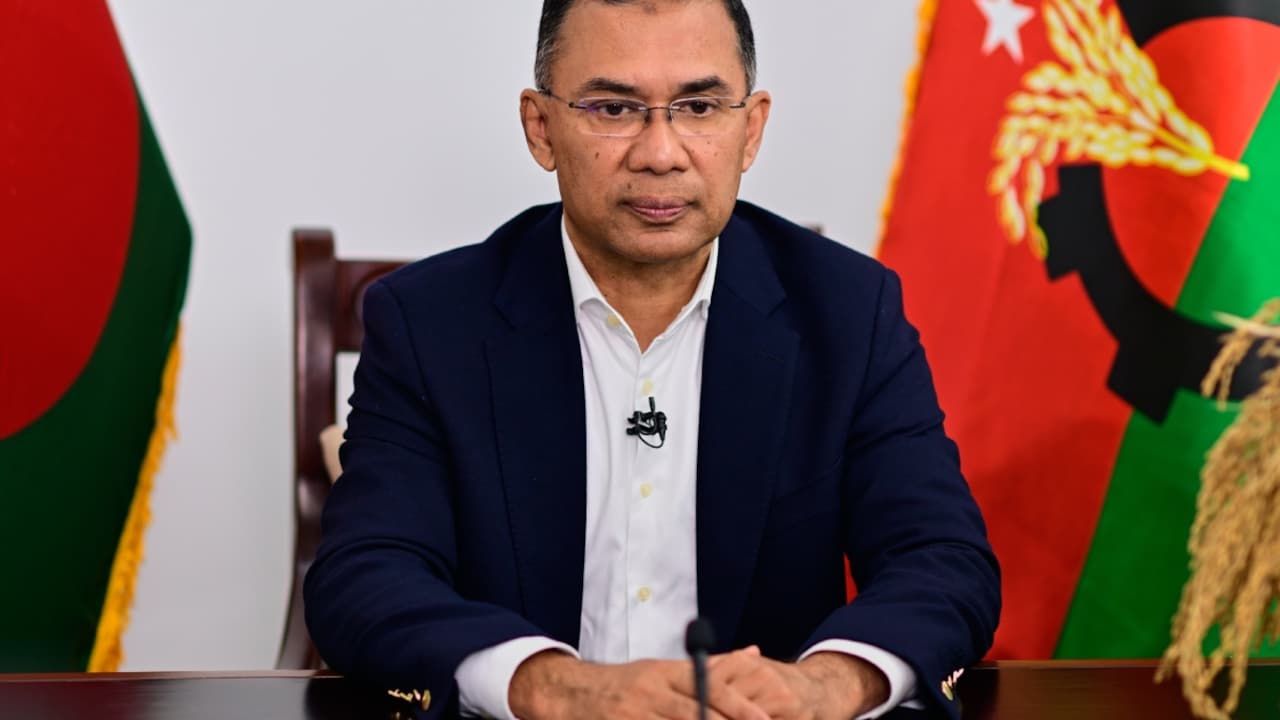
When Prime Minister Tarique Rahman took to the parliamentary floor to accuse Sheikh Hasina's banned Awami League of orchestrating fresh violence across the country, he relied on a playbook every political leader knows by heart. Point across the border, point at the disgraced old regime, and tell citizens that their troubles are the work of shadowy foreign masters.
It’s an easy narrative. But if you look at the raw facts on the ground, that story falls apart pretty fast.
What Actually Happened Across Bangladesh This Week
The numbers aren't abstract politics. They represent real destruction spread across more than ten districts in a matter of 48 hours.
- At least four people died in separate violent clashes, including BNP party workers in Narail and a bus assistant in Pirojpur.
- Protesters torched vehicles along the Dhaka-Chattogram transit artery, forcing passengers to scramble for safety.
- Arsonists targeted public and private structures, including Grameen Bank branches and the ancestral home of former interim chief Muhammad Yunus in Chattogram.
- Parliament members' homes in Gopalganj were vandalized and set ablaze, prompting the deployment of nearly 100 Border Guard Bangladesh (BGB) platoons across seven key districts.
The government responded with massive police roundups, sweeping up over 100 individuals in Dhaka alone over 24 hours—including former education minister Nurul Islam Nahid.
Yet calling this a simple strike by underground Awami League loyalists misses the bigger picture.
The Real Problem Isn't Just the Awami League
Let's get one thing clear: the Awami League's nationwide call for a shutdown certainly triggered street mobilization. But the sheer scale of chaos reveals systemic institutional fragility.
When a country's security apparatus needs nearly 100 paramilitary platoons to maintain order on primary highways, the issue isn't just covert arsonists—it's law enforcement breakdown. Bangladesh has been riding a high-voltage political wire since the July Uprising brought down Hasina's 16-year rule.
The interim government tried to stabilize the ship. But once formal elections returned the Bangladesh Nationalist Party (BNP) to power under Prime Minister Tarique Rahman, expectations skyrocketed. Citizens wanted price stability, safety, and operational governance. Instead, they got recurring blockades, wage protests from garment workers, and open street combat.
Instead of fixing policing standards or establishing clear institutional boundaries, Rahman's directive to his lawmakers was telling. He told BNP politicians not to rely on state machinery alone, but to mobilize party cadres on the streets to counter rivals.
That's not statecraft. That's outsource-your-policing-to-party-militias, and it almost always ends in escalation.
Blaming Neighboring Countries Is a Strategic Trap
Rahman didn't mince words during his speech, referring pointedly to foreign "masters" sitting across the border where exiled leaders reside. Everyone in the room knew he meant India.
It’s true that Hasina fled to India, and diplomatic relations between Dhaka and New Delhi have been raw ever since. But weaponizing anti-India rhetoric for domestic damage control creates two dangerous dead ends:
- It avoids internal accountability. If every crude bomb or economic disruption is framed as a foreign plot, domestic security forces have zero incentive to fix their own intelligence failures.
- It alienates essential trade partners. Bangladesh's garment exports and regional energy trade depend heavily on functional cross-border stability. Screaming sabotage every time street violence erupts burns bridges Dhaka actually needs to rebuild its economy.
Hasina's December Return Rumor Is a Distraction
Part of the current panic stems from reports that Sheikh Hasina intends to return to Bangladesh in December, despite a special tribunal sentencing her in absentia on charges stemming from the 2024 uprising.
Is an actual return likely? Hardly.
It functions as political theater. The Awami League uses the narrative to keep its remaining grassroots base motivated, while the ruling BNP uses it to rally anti-autocracy sentiment and distract from rising inflation and lawlessness.
While political elites trade threats across borders, everyday citizens pay the actual price. Small business owners in Gopalganj aren't thinking about high-level geopolitics when their shops get smashed. Transport drivers aren't pondering diplomatic treaties when their vehicles burn on highway shoulders.
How Bangladesh Can Break Out of This Spiral
Finger-pointing won't restore confidence in Bangladesh's markets or neighborhoods. If the government wants real stability rather than temporary quiet enforced by border guards, here is what must happen immediately:
- Depoliticize street enforcement. Police must enforce public order independently rather than acting as an extension of the ruling party or relying on party cadres to clear streets.
- Focus on intelligence-led prevention. Rounding up over a hundred mid-tier politicians after property is destroyed shows reactive weakness. Security forces need real criminal intelligence to interdict arson groups before transit lines are torched.
- Separate legal accountability from political rhetoric. If Awami League members commit arson, prosecute them under standard criminal law with clear evidence. Broad brush accusations only convince opposition loyalists that the judicial system is purely vengeful.
- Stabilize regional diplomatic channels. Dhaka needs a pragmatically functional working relationship with India to address cross-border security concerns directly, rather than relying on parliamentary grandstanding.
Continuing to blame exiled leaders for every domestic security lapse might keep core party loyalists energized for a few weeks. But for a nation trying to reconstruct its economy and institutions after historic political upheaval, it’s a recipe for permanent instability.