We live in an era where anyone can prompt an algorithm to generate a hyper-realistic pod of dolphins leaping through a digital sunset. Synthetic media has broken our collective trust in what we see on screen. When generative video can conjure any fantastical creature imaginable with a few text inputs, documentary filmmakers face an existential crisis. How do you prove your work is real when the audience assumes everything is fake?
BBC Studios answered this question by making a deliberate choice. For the upcoming return of their landmark marine series, producers decided to leave in the plankton, the murky water conditions, stray boats, and cloudy visibility. They stopped cleaning up the shots. Instead of presenting an immaculate, computer-generated style of perfection, they leaned hard into the rough, organic grit of reality. You might also find this related story useful: Inside Jensen Huangs World Tour And Why The Ai Market Is Getting Weird.
It is a fascinating counter-strategy. In television production, clean underwater visibility has historically been the gold standard. Cameramen waited for clear blue days, and editors trimmed away debris or murky patches. But today, absolute visual perfection looks suspicious. If the water looks like a pristine digital render from a high-end graphics engine, viewers immediately smell synthetic tampering.
The team behind the series made it clear that not a single frame of generative AI touched the production over four years of filming across five oceans. To drive that point home, they kept the imperfections. Plankton blooms, particulate matter, and uneven lighting are now badges of honor. The message is simple: nature is messy, and so is real footage. As highlighted in detailed reports by Ars Technica, the effects are notable.
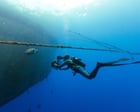
Technology still plays a massive role, though it is being used to capture genuine novel behavior rather than manufacture fake imagery. Crew members built specialized tools, including a custom underwater CCTV camera nicknamed the "stonefish" cam, mini-domes for tracking octopuses, and leg-mounted scooters for camera operators to shoot immersive angles. They even deployed lasers to measure and film deep-sea organisms without disturbing them.
These tools uncovered behavior science has never documented on film before. You get to watch dolphins using sea sponges as tools to block gaps in coral and trap fish. You see groups of two hundred thousand crabs locking into precise formations. You witness sea urchins picking up discarded shells to wear as makeshift sun hats. These moments are bizarre, complex, and entirely authentic.
The production also relied heavily on local crews on location to navigate complex budgets and tight economic pressures. This approach not only trimmed costs during a period of sweeping financial cuts at the broadcaster, but it also brought a grounded perspective to the field work. Local teams knew the waters better than anyone else flying in for a quick shoot, capturing intimate interactions that outsider crews often miss entirely.
Sir David Attenborough remains heavily involved, reviewing scripts and injecting his lifelong curiosity into the final cuts. Hearing that a century-old broadcaster still gets visibly excited over a fresh clip of marine life reminds you why human storytelling matters. No code can replicate that genuine spark of wonder.
When you watch the series when it drops, pay attention to the water. Notice the floating debris and the slightly clouded visibility. Those little visual interruptions are your proof that you are looking at a living, breathing ocean rather than a server farm rendering pixels. As artificial intelligence floods the market with cheap synthetic noise, raw authenticity is becoming the rarest commodity in media.