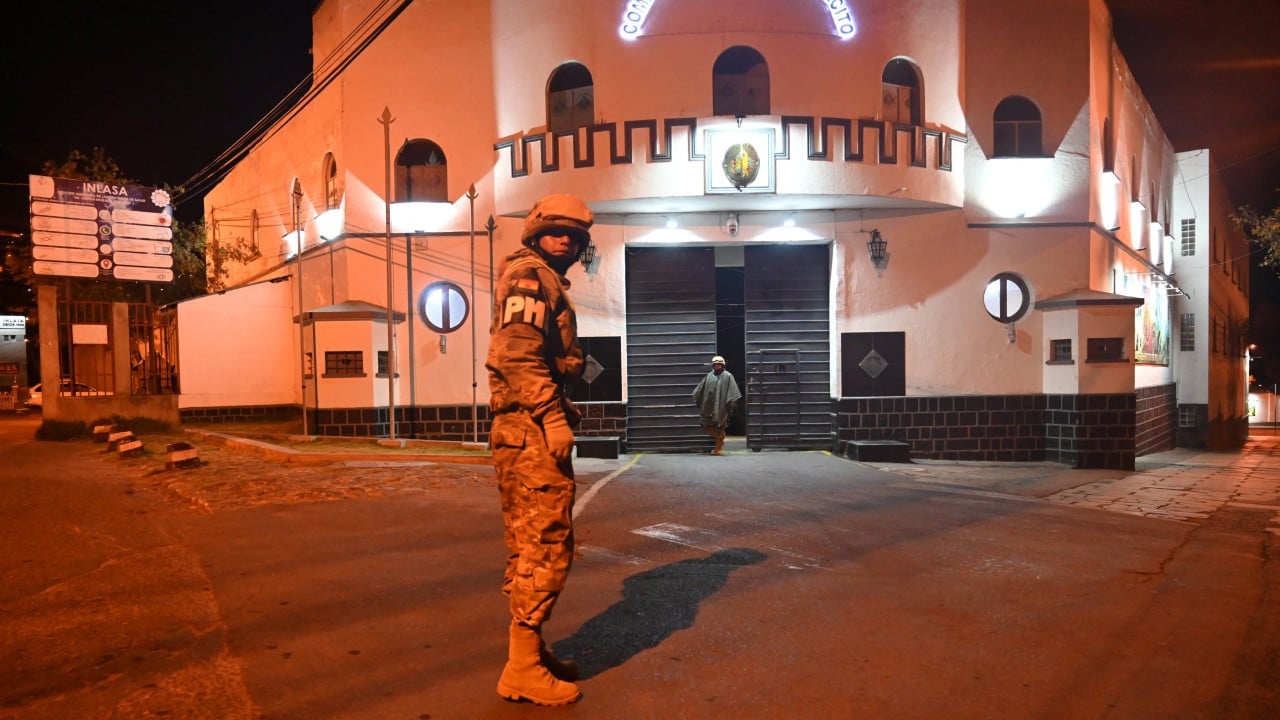
Bolivian President Rodrigo Paz just triggered the nuclear option. After 50 straight days of crippling road blockades that brought the nation to its knees, Paz declared a nationwide state of emergency. The decree lets him deploy the military directly onto the streets to clear highways by force.
If you think this is just a quick police action to clear traffic, you're missing the bigger picture. This isn't a simple transport dispute. It's a full-blown economic meltdown colliding with a brutal political civil war. Bolivia is flat out running out of fuel and US dollars, and sending in soldiers with riot shields won't magically refill the treasury.
Paz claims he's restoring freedom to citizens who've become hostages in their own country. The reality? He's backed into a corner, and his presidency is on the line.
The 50 Day Chokehold on Bolivia Economy
For nearly two weeks, major transit routes connecting agricultural hubs to cities like La Paz and Santa Cruz have been completely severed. Over 50 days of blockades have stranded thousands of freight trucks, leaving tons of food to rot under the South American sun.
The immediate trigger for the chaos was a classic austerity trap. President Paz tried to cut long-standing fuel subsidies to trim a ballooning fiscal deficit. It backfired immediately.
- The Dollar Crunch: Bolivia reserves of foreign currency have vanished, making it nearly impossible to import essentials.
- The Fuel Panic: Long lines at gas stations became permanent fixtures as the government struggled to pay for fuel imports.
- The Cost of Living: Basic food prices skyrocketed because supply trucks couldn't get through the blockades.
Paz quickly realized he overplayed his hand and tried to walk back the subsidy cuts. He even repealed controversial land reforms that angered indigenous farmers. It didn't matter. The spark had already lit a massive bonfire of generalized anger.
The Deal That Solved Absolutely Nothing
The timing of this emergency decree tells you everything you need to know about how fractured Bolivia's power structure is. Just hours before the announcement, President Paz proudly signed a peace pact with the Bolivian Workers' Confederation, the nation's largest umbrella union.
On paper, it looked like a breakthrough. In practice, it was totally worthless.
The unions who signed the deal don't control the real choke points. The most aggressive blockades, especially around the strategic region of Cochabamba, are run by rural communities and small farmers deeply loyal to former leftist President Evo Morales. They weren't in the negotiating room. They don't want a deal on fuel prices; they want Rodrigo Paz to resign.
Morales is using the economic misery to orchestrate a political comeback. By keeping the highways blocked, his base ensures that the current centrist administration looks completely helpless.
What Happens Now That the Military Is Stepping In
Under Bolivian law, the state of emergency takes effect immediately, but it comes with a strict democratic countdown. Paz has to notify Congress within 24 hours. The legislature then has 72 hours to either approve or completely reject the decree.
Paz prepared for this moment. Last month, his allies managed to pass a law that lowers the legal threshold required for the executive branch to deploy troops domestically. He knew dialogue would eventually fail, and he made sure the legal trapdoor was ready.
But deploying troops to clear roads is incredibly risky. Sending soldiers against indigenous farmers and rural workers in Bolivia has historically led to political disaster. If the clearing operations turn bloody, it won't clear the highways—it will turn a protest movement into an open uprising.
The Next Critical Steps for Regional Observers
If you're watching the Andean region, the next 72 hours are critical. Watch how the military handles the Cochabamba blockades. If the armed forces use excessive violence, expect the protests to mutate from economic demands into a nationwide revolt. Keep an eye on the congressional vote; if the legislature rejects the emergency powers, Paz will be left completely exposed without a political shield.