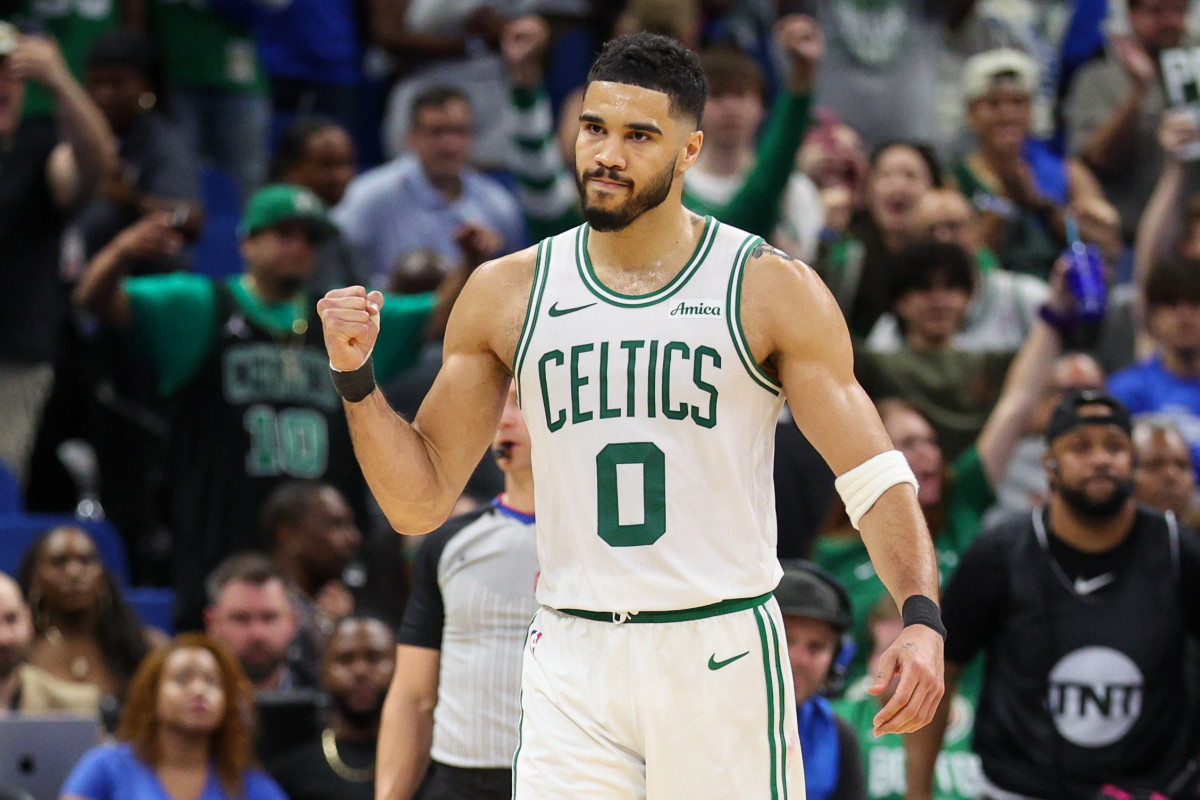
The Boston Celtics have commenced a comprehensive review of their basketball operations following a first-round postseason elimination and emerging offseason trade speculation involving their core roster. Front office executives finalized performance evaluations this week at the Red Auerbach Center training facility in Boston, shifting focus toward roster stabilization ahead of the upcoming free agency period. Team officials confirmed that the organization intends to maintain its primary competitive nucleus while addressing depth deficiencies exposed during their seven-game series loss to the Philadelphia 76ers. National Basketball Association rosters face significant luxury tax pressures under the current collective bargaining agreement, forcing the franchise to carefully balance long-term financial commitments against immediate championship aspirations. The strategy emerges as Jayson Tatum prepares to host an elite development camp in Las Vegas, signaling a return to full basketball activities after a season heavily disrupted by physical recovery.
According to official team tracking data, the organization concluded the regular season with a record of 56 wins and 26 losses, securing the Atlantic Division title and the second seed in the Eastern Conference. Despite these regular-season achievements, the roster struggled with consistency during the spring due to injuries to key personnel and integration challenges late in the year. General Manager Brad Stevens stated during a press conference that the front office remains committed to building a sustainable contender around established internal talent rather than executing reactionary trades. The administrative focus has now turned to maximizing the current window of availability for their leading athletes while navigating strict payroll penalties.
Roster Speculation and Trade Market Dynamics
Recent reports from national basketball analysts suggested that the front office explored the feasibility of major trade packages during the early weeks of the offseason. Rumors circulated regarding the potential availability of All-NBA guard Jaylen Brown in hypothetical discussions aimed at acquiring prominent external stars, including Milwaukee Bucks forward Giannis Antetokounmpo. The speculation prompted widespread discussion among league executives regarding the long-term viability of maintaining multiple supermax contracts on a single roster. Media reports indicated that various external franchises monitored the situation closely, preparing potential assets should the Boston front office decide to alter its historical team building approach.
Former league veteran Patrick Beverley publicly questioned the reported direction of these exploratory discussions during a recent media appearance, suggesting that any structural adjustments should be scrutinized closely. He argued that the durability and individual development of specific roster components should dictate administrative choices during the summer months. The commentary highlighted the internal tension facing the organization as it weighs the distinct physical profiles and career trajectories of its top contract holders. Team management has historically resisted dismantling the core partnership that secured the 2024 league championship, though financial restrictions continue to limit peripheral additions.
Jayson Tatum Recovery Timeline and Performance Metrics
The architectural planning for the upcoming season depends heavily on the physical condition of the franchise player after an extended rehabilitation process. The star forward missed the first 62 games of the regular season while recovering from a ruptured right Achilles tendon suffered during the preceding postseason. According to medical staff reports published by the Boston Celtics, the initial non-contact injury occurred during a second-round playoff game against the New York Knicks, necessitating immediate corrective surgery. The extended absence forced the coaching staff to alter offensive schemes and rely on secondary distribution methods for the majority of the winter schedule.
The forward made his official return to competitive play on March 6 against the Dallas Mavericks, appearing in 16 regular-season contests to conclude the schedule. Performance data showed the athlete averaged 21.8 points, 5.3 assists, and a career-high 10.0 rebounds per game during that limited stretch. Despite maintaining a double-double average, his field goal efficiency hovered near 40 percent, reflecting the typical adjustments associated with returning from long-term tendon repairs. The medical department managed his playing time strictly, limiting his floor exposure to ensure long-term joint stability ahead of the high-intensity postseason environment.
Postseason Complications and Injury Recurrence
The physical vulnerabilities of the roster became critically evident during the opening round of the Eastern Conference playoffs against the Philadelphia 76ers. Boston established an initial three-games-to-one advantage in the series, supported by historical individual performances from their returning forward. During a victory on April 25, the primary scoring option recorded 30 points, 11 assists, and seven rebounds, surpassing franchise legend Larry Bird for the second-most 30-point, 10-assist playoff games in team history. The victory showcased the offensive ceiling of the fully healthy roster, but the physical demands of the series quickly exacted a toll on the lineup.
The competitive momentum shifted dramatically during Game 6 when the leading forward suffered a secondary physical setback that limited his effectiveness. Team doctors subsequently held the player out of the deciding Game 7, which resulted in a definitive loss and an early exit for the franchise. Head Coach Joe Mazzulla defended the cautious approach, noting that player safety and career longevity took precedence over immediate postseason advancement. The abrupt conclusion amplified questions regarding the team's structural reliance on an athlete returning from major structural surgery without a fully acclimated backup system.
Supporting Cast Development and Secondary Lineups
In the absence of their primary offensive focal point for the majority of the year, several peripheral players assumed expanded operational responsibilities. Guard Jaylen Brown recorded a career-best statistical campaign, averaging 28.9 points, 7.2 rebounds, and 5.0 assists per game while maintaining a 48 percent shooting average from the floor. The increased usage rate allowed the veteran guard to demonstrate expanded playmaking capabilities, though it also increased his defensive burden. The coaching staff utilized these expanded roles to evaluate the roster's depth under adverse competitive circumstances.
Defensive specialist Derrick White also achieved career-high metrics, contributing 17.3 points and 1.2 steals per contest across his regular-season appearances. Meanwhile, guard Payton Pritchard moved permanently into the starting rotation during the winter, registering 16.8 points and 5.3 assists per game. Team executives noted that the rapid development of these auxiliary players represents a significant asset heading into the next fiscal year. The primary challenge remains organizing these components into a cohesive unit when the main star occupies his traditional high-volume position on the floor.
Summer Development Programs and Instructional Camps
Off the court, the franchise continues to extend its organizational footprint through specialized summer development programs and collegiate training initiatives. Florida State University announced that guard Kam Taylor received an official invitation to participate in the upcoming summer sessions in Nevada, according to an institutional statement on Seminoles.com. The four-day event features select collegiate prospects working directly alongside professional trainers and established league veterans to refine tactical skills. The gathering functions as an instructional environment while allowing professional staff to evaluate emerging amateur talent under controlled conditions.
The selection of elite collegiate guards underscores the growing influence of the Boston franchise player within the broader basketball community. Administrative staff from multiple universities confirmed that these summer programs offer unique exposure to advanced professional concepts that traditional collegiate schedules cannot accommodate. For the Boston organization, the camp provides an informal setting to observe young prospects who may eventually enter the draft pool. The event also serves as a benchmark for the host’s physical recovery, confirming his ability to participate in multi-day on-court training regimens.
Future Outlook and Structural Adjustments
The front office faces immediate decisions regarding contract extensions and potential luxury tax obligations as the free agency market opens. Team President Rich Gotham indicated that financial sustainability remains a major consideration under the revised league guidelines, which penalize teams exceeding the secondary tax apron. The organization must decide whether to commit long-term funds to retain bench depth or look for cost-effective replacements through draft assets. League analysts expect the Atlantic Division to become increasingly competitive, reducing the margin for error in front-office calculations.
The coaching staff plans to utilize the upcoming training camp in September to implement a modified offensive system designed to reduce physical strain on the primary stars. Medical personnel will continue to monitor individual recovery metrics throughout the summer to establish baseline parameters for the winter schedule. The unresolved status of various Eastern Conference rosters ensures that the upcoming months will dictate the competitive hierarchy for the next calendar year. Boston officials maintain that a complete offseason of recovery will position the current group to challenge for the conference title once again.