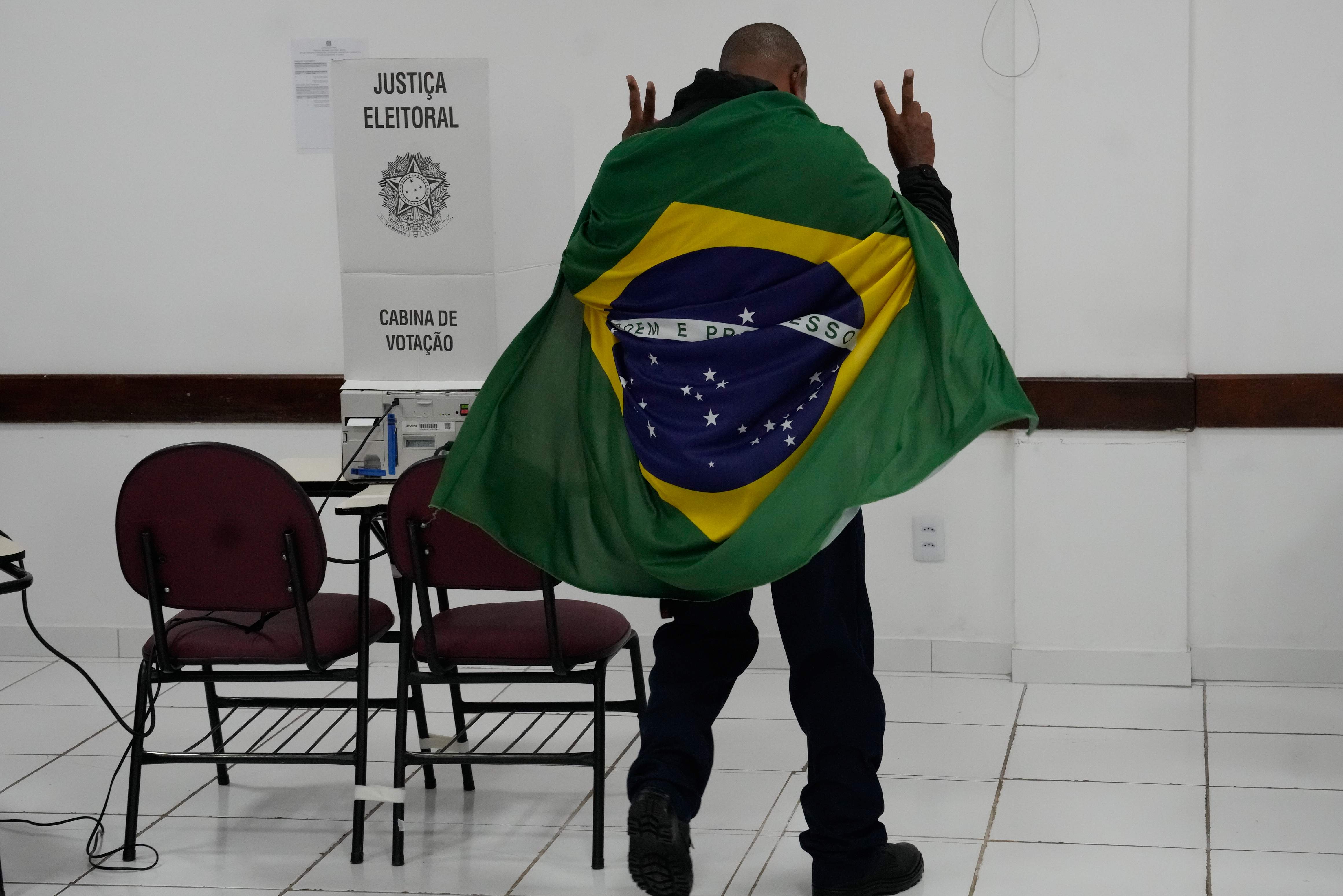
Millions of Brazilians lined up at voting booths under the tropical heat to decide the political future of Latin America's largest economy. The presidential runoff between incumbent Luiz Inácio Lula da Silva and challenger Senator Flávio Bolsonaro wasn't just another routine election. It was a high-stakes collision between two starkly different visions of society, economic survival, and global alignment.
If you've been watching from the outside, you might wonder why this particular ballot caused so much anxiety. The answer is simple. Brazil stood at a razor-thin ideological cliff edge. On one side sat a political establishment trying to defend social welfare foundations, and on the other, a surging conservative movement fueled by congressional dominance and widespread frustration over inflation and institutional trust.
The Numbers Behind the Madness
The first round earlier in October delivered a shock to political pundits. Flávio Bolsonaro—representing the Liberal Party and carrying the political legacy of his father, former President Jair Bolsonaro—bested Lula by more than 2.2 million votes, securing roughly 47 percent of the valid ballots. Lula lagged behind at around 45 percent.
Those figures shattered historical precedent right out of the gate. In the history of Brazil’s modern democracy, no candidate who finished second in the opening round had ever managed to claw back the deficit and win the runoff. At the same time, no incumbent Workers' Party president seeking re-election had ever lost. Something had to give.
Yet, voter apathy proved to be an unexpected wild card. Despite voting being strictly compulsory under Brazilian law, more than 33 million registered citizens out of a nearly 160-million-strong electorate simply stayed home during the initial round. Getting those missing millions to care—or keeping them away—became the primary obsession for campaign strategists in the final stretch.
A Country Cut Straight Down the Middle
Geographical polarization defined how the nation split its loyalties. Brazil wasn't just voting; it was fighting a war of regions.
Bolsonaro dominated the wealthy, hyper-populous Southeast—encompassing São Paulo, Rio de Janeiro, and Minas Gerais—alongside the agricultural powerhouse of the Center-West and the conservative agrarian strongholds of the South. These economic engines favored a sharp pivot toward market-friendly governance, stricter law enforcement, and traditional values.
Lula fought back by locking down the Northeast and the vast northern states wrapped around the Amazon rainforest. For voters in these regions, Lula represented a social safety net that kept poverty at bay through programs like Bolsa Família.
Walk down the streets of Rio's Copacabana neighborhood on election day, and you'd feel the friction firsthand. Army trucks parked near the beachfront while churchgoers debated politics on church steps. Some flashed stickers with the number 13 for Lula, while others proudly displayed 22 for Bolsonaro. Conversations quickly turned fierce over religion, inflation, and public safety.
What Is Actually at Stake
This election went far beyond local tax policy or infrastructure spending. The structural balance of Brazilian democracy shifted heavily during the legislative races, where the right-wing Liberal Party and its conservative allies secured an imposing presence in both the Chamber of Deputies and the Senate.
Because of this legislative wave, a victorious Bolsonaro would walk into an unusually favorable environment to pass sweeping constitutional changes, reshape the judiciary, and shift foreign policy alignment toward conservative U.S. administrations. On the flip side, if Lula pulled off a historic comeback, he would face an uphill battle against a hostile, right-leaning Congress that could easily deadlock his domestic agenda.
Furthermore, the next occupant of the presidential palace will wield the power to appoint multiple Supreme Federal Court justices over the coming years. That single constitutional privilege guarantees that whoever won this runoff would shape Brazil's legal and civil rights landscape for a generation.
Elections like this remind us that democracy is messy, loud, and deeply personal. When the final electronic ballot box closed and the tallies rolled in, Brazil didn't just choose a president. It decided which direction Latin America's economic heavyweight will travel for the next four years.