Elections usually come down to tired talking points and party lines. But every once in a while, the ballot box actually shifts who gets a seat at the table. The 2026 US midterm elections just redrew the map for political representation.
If you look past the standard cable news noise, you will see a massive wave of historic firsts. Black, Indigenous, Latina, and LGBTQ leaders didn't just run competitive campaigns this cycle. They won key races, shattered glass ceilings, and forced both major parties to reckon with a changing American electorate. You might also find this similar story useful: Why Pope Leo Xiv Draws Millions To Argentina While Tackling The Churchs Darkest Realities.
Breaking Statehouse Barriers
For over two centuries, state governorships followed a painfully predictable script. That script took a serious hit this cycle.
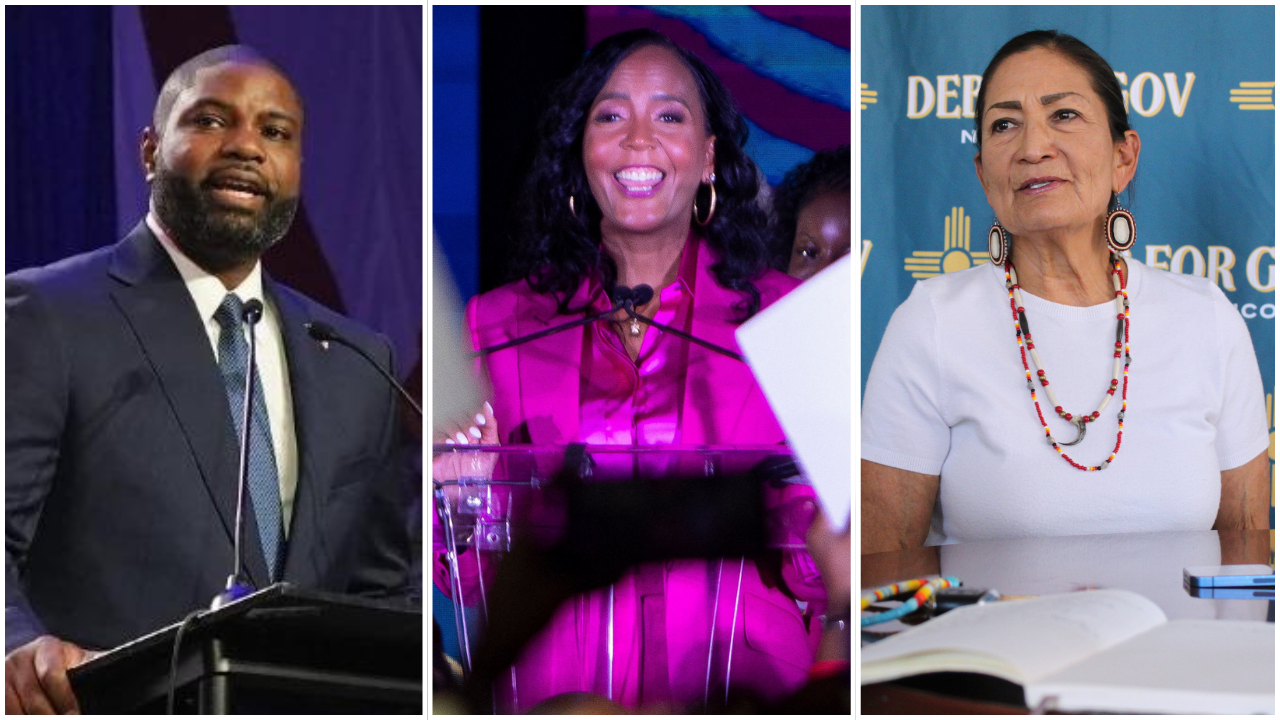
In Georgia, Democrat Keisha Lance Bottoms clinched a monumental victory. The former Atlanta mayor became the first Black woman ever elected governor in United States history, flipping the state's executive office and shattering a 250-year-old precedent. It is a massive turning point for a Southern state that has spent decades under conservative leadership. As reported in recent coverage by NBC News, the effects are worth noting.
Meanwhile, Texas saw its own political earthquake. Democrat Gina Hinojosa secured the gubernatorial race, positioning herself as the state's first Latina governor. When you look at the shifting demographics across the Sun Belt, these aren't just fluke wins. They represent years of grassroots organizing finally paying off at the ballot box.
Rewriting the Senate Dynamics
The changes weren't limited to state capitals. The US Senate also welcomed a wave of long-overdue representation.
In New Hampshire, Chris Pappas broke ground by becoming the first openly gay man elected to the US Senate. Over in races with heavily contested margins, Indigenous leaders like Deb Haaland in New Mexico pushed forward in bids to secure executive power, proving that representation is expanding beyond symbolic gestures into actual legislative muscle.
Voters are tired of candidates who treat diversity as a buzzword. They want leaders who understand local struggles firsthand. When marginalized communities organize blocks of voters, politics changes.
What This Means Moving Forward
You can't look at these results and pretend business as usual is going to cut it anymore. Parties that ignore changing demographics do so at their own peril.
The 2026 midterms proved that diverse candidates can build winning coalitions in tough districts. The real test starts now. Winning an election is just the opening act. Delivering real policy changes for the communities that elected them is where the real work begins. Watch these new leaders closely. They are setting the blueprint for the next decade of American politics.