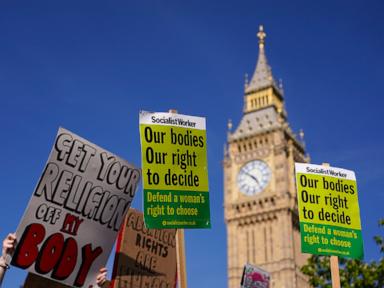
For generations, women in Britain lived under the shadow of Victorian-era legislation that could throw them behind bars for ending their own pregnancies. That nightmare is coming to an end. Under section 242 of the Crime and Policing Act, women who were previously convicted, cautioned, or investigated for abortion-related offences concerning their own bodies are receiving automatic pardons.
More importantly, police forces and courts are legally mandated to scrub these old stains from official records. You don't need to file mountains of paperwork or hire a lawyer. The government is doing it automatically. It’s a massive shift in how the justice system treats reproductive healthcare, moving away from archaic punishment and toward basic human compassion.
What the New Law Actually Changes
Let's clear up what this legislation does and doesn't do. The Crime and Policing Act doesn't toss out the entire Abortion Act of 1967. Medical professionals and clinics still operate under established regulatory frameworks. What changed is far more specific and overdue: women acting in relation to their own pregnancies will no longer face criminal charges.
If you look at the historical wreckage, the urgency becomes clear. For years, prosecutors relied heavily on sections 58 and 59 of the Offences Against the Person Act 1861, alongside the Infant Life (Preservation) Act 1929. These laws carried maximum penalties of life imprisonment. They were drafted during an era when women couldn't vote, let alone make autonomous choices about their health.
High-profile cases exposed the cruelty of these statutes. Take the case of Carla Foster, a mother of three sentenced to prison under these old laws, or Nicola Packer, who faced grueling legal battles. Even women suffering tragic, natural miscarriages occasionally found themselves caught in police crosshairs, sometimes subjected to digital device seizures and period-tracking app inspections.
Why Automatic Record Deletion Matters So Much
A pardon on paper is nice, but a criminal record that follows you into a job interview is entirely different. That's why the record-deletion component of the new legislation is a game-changer for everyday life.
If you apply for a job that requires an enhanced Disclosure and Barring Service (DBS) check—such as teaching, healthcare, or social care—historical cautions or convictions can surface and ruin careers. Under the new rules, relevant details of investigations, arrests, cautions, and convictions are being systematically deleted. Where complete physical deletion is impossible due to permanent court logs, those public records must be legally annotated to show they are treated as non-existent.
Advocacy groups like the British Pregnancy Advisory Service (BPAS) and MSI Reproductive Choices have spent over a decade pushing for these reforms. Health leaders point out that while a pardon can't erase the psychological trauma of an unjust police investigation, it removes a lifelong structural barrier.
The Road Ahead for Reproductive Rights
Decriminalisation advocates argue that healthcare decisions belong between a patient and a doctor, not inside a criminal courtroom. While opponents argued that removing these laws could lead to unregulated access at any stage, the legislative shift emphasizes that criminalizing distress helps nobody.
If you or someone you know was affected by historical investigations or convictions related to your own pregnancy, you don't need to take action. Authorities are handling the database updates behind the scenes. Check official government guidance if you need specific caseworker support, but otherwise, let the system fix its past mistakes while you move forward.