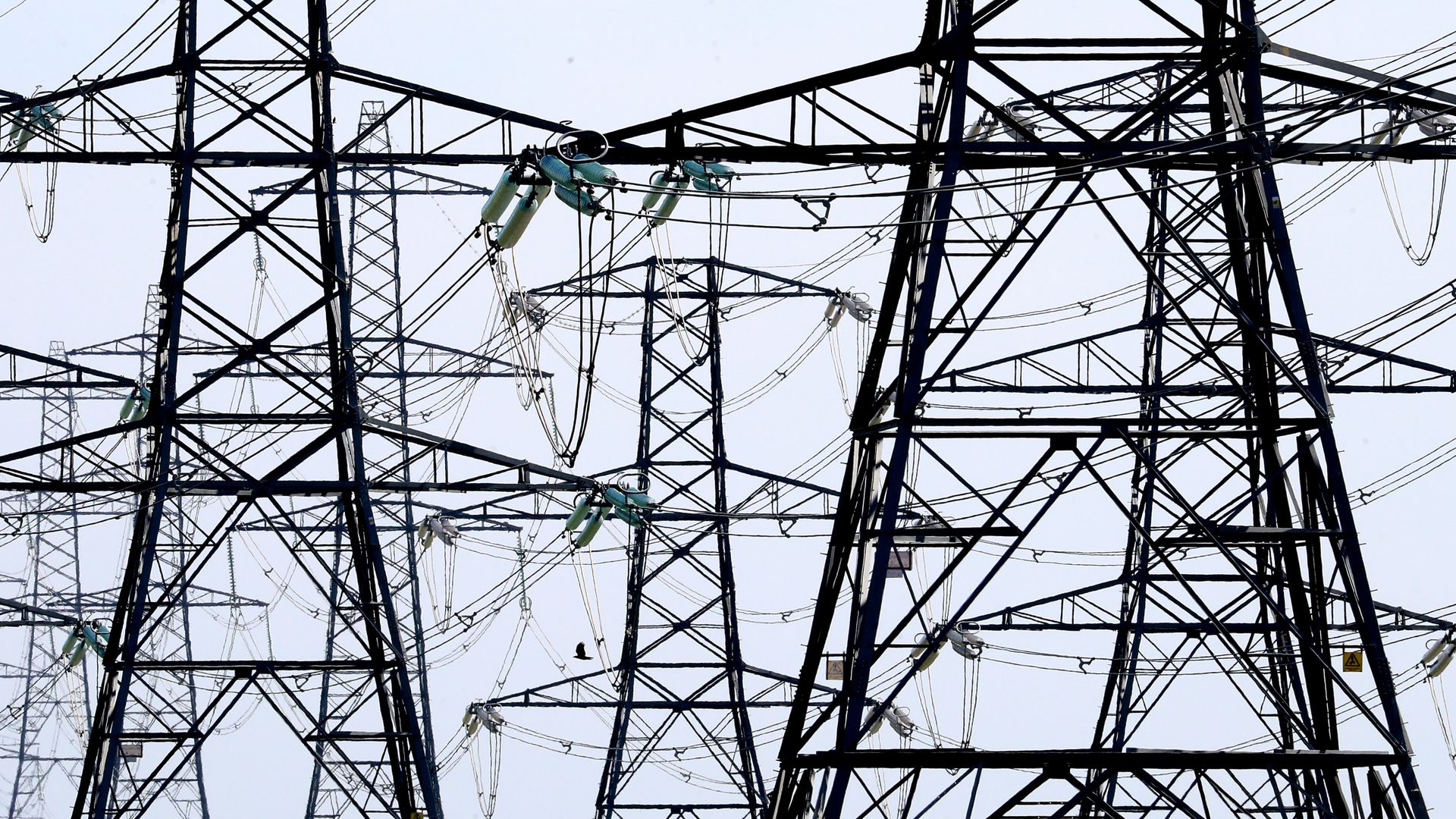
You can't run the artificial intelligence revolution without power. Lots of it. Right now, the race to build massive computing hubs in Britain is colliding with a stubborn reality: the electrical grid isn't ready. When major projects stall because power availability slips deep into the next decade, the entire national tech strategy starts to wobble.
That is why recent moves by National Grid and Westminster matter so much. They aren't just adjusting regulations; they are scrambling to clear the physical bottlenecks threatening to starve British infrastructure of energy. If you want to understand why data centers are suddenly driving national energy policy, you have to look past the hype and examine the raw wires.
The Grid Bottleneck Threatening British Tech
For months, the friction between massive digital demands and physical power capacity has grown louder. Developers want to construct hyper-scale facilities packed with specialized graphics processing units to train complex models. Yet, connection queues stretch out for years.
Just look at what happened when grid delays forced adjustments on major projects like Microsoft's planned Essex facility with Nscale. When power availability slips into the 2030s, investors pull back. Money and advanced hardware mean nothing if you cannot plug the servers into a wall.
National Grid is actively reshaping infrastructure plans to counter this exact threat, including strategic steps like paving the way for massive electrical substations on Teesside. The goal is simple: capture global demand before developers take their capital elsewhere.
What the New Data Centre Covenant Actually Demands
The government isn't handing out priority power connections for free. Under the British Data Centre Covenant introduced in the recent Budget, developers must clear strict hurdles if they want to jump the queue.
You can't just pitch a massive energy sinkhole and expect communities to absorb the strain. The new rules tie fast-tracked grid access to concrete responsibilities:
- Local Community Investment: Operators must agree to formal local benefit plans, supporting regional jobs and infrastructure.
- Water and Environmental Protection: Facilities must minimize water consumption, report emissions transparently, and capture waste heat for nearby homes, schools, or hospitals.
- Fair System Costs: Developers must pay their fair share so that everyday households and small businesses don't shoulder rising energy bills.
This trade-off changes the dynamic completely. It forces tech giants to prove their worth to the local towns hosting these energy-hungry monoliths.
Bridging the Gap With On-Site Generation
Waiting years for a high-voltage substation upgrade isn't always an option when tech cycles move at breakneck speed. To solve this, policymakers are opening the door to temporary and alternative solutions.
Under tightly controlled frameworks, critical projects may receive permission to build on-site power generation to bridge the gap while waiting for permanent grid links. While this raises questions about emissions and local air quality, it underscores how desperate the race for sovereign computing capacity has become.
When the NHS or the UK Armed Forces rely on secure domestic AI systems, politicians want that processing done domestically. Relying on overseas infrastructure creates vulnerabilities that national security planners are unwilling to accept.
What Happens Next for Infrastructure Investors
The intersection of energy policy and tech development is messy. Energy firms, local councils, and cloud providers are navigating an entirely new rulebook. If you're building or investing in digital infrastructure right now, standard planning permissions are no longer enough. You need clear strategies for energy efficiency, community buy-in, and grid flexibility.
The companies that win will be the ones that treat power constraints as a core engineering challenge rather than a bureaucratic afterthought. Build the right partnerships early, solve the local resource equation, and you secure your spot in the queue. Ignore the physical limits of the grid, and your next big project stalls before it even breaks ground.