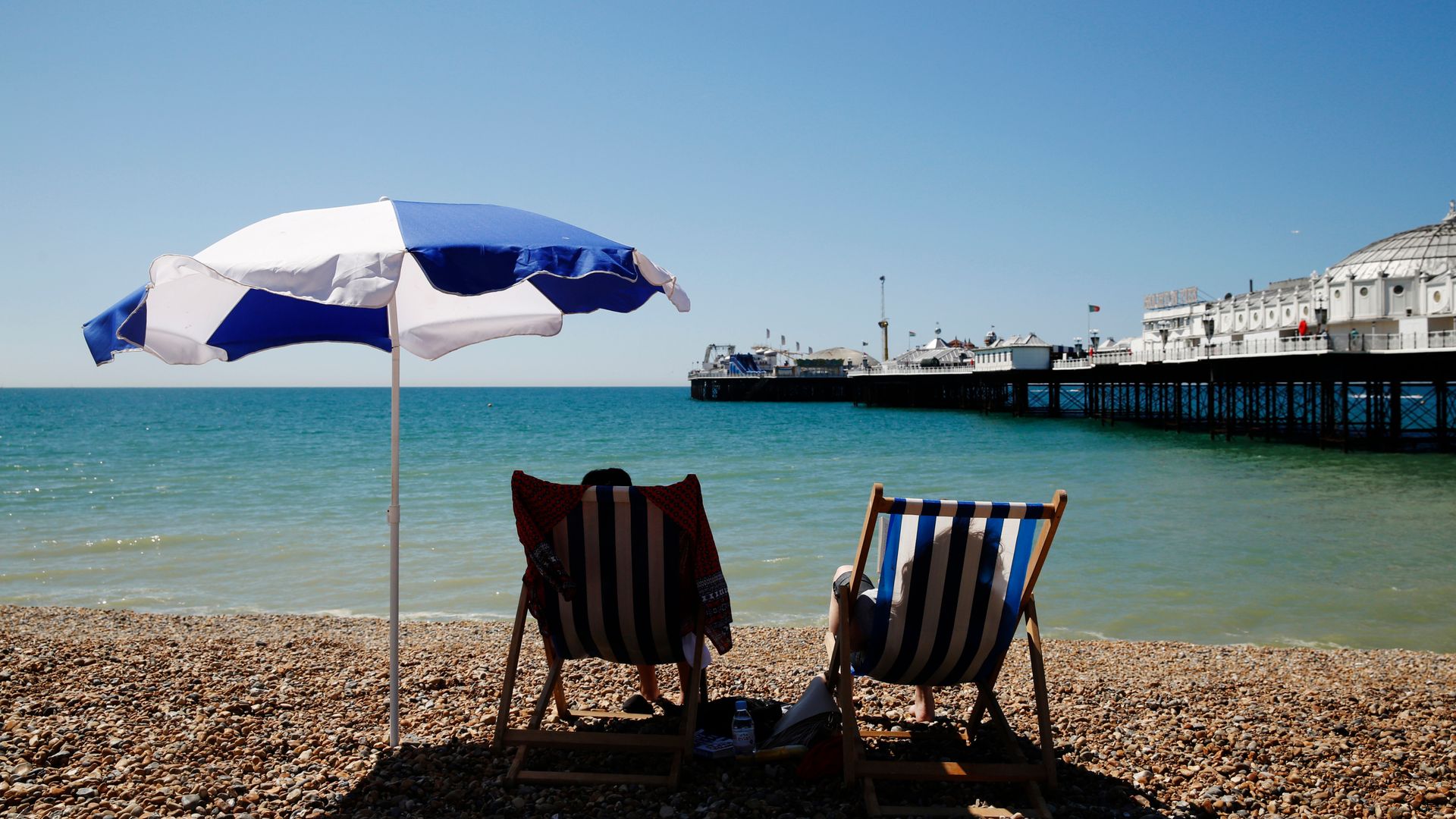
We aren't built for this. For decades, the standard response to a British summer spike was a collective run on ice cream and a rush to the nearest beach. But the latest numbers show that the narrative of the quirky, sun-starved nation has officially broken down.
A joint study from Imperial College London, the Met Office, and the London School of Hygiene and Tropical Medicine reveals that more than 2,700 people died from heat-related causes during the record-shattering hot spells of May and June. During the peak of the June heatwave, extreme temperatures killed roughly 440 people a day in England and Wales.
This isn't just about a couple of uncomfortable afternoons. It's an indictment of a country running on infrastructure designed for a climate that no longer exists.
The Real Numbers Behind the Spikes
Let's look at what actually happened on the ground. The early-season spikes completely obliterated records that had stood since 1944 and 1976. In May, west London hit a staggering 35.1°C. June pushed even further, crossing 37°C in East Anglia amid thick, oppressive humidity.
The researchers didn't just count the bodies; they tracked the direct fingerprint of global warming.
- The May Wave (May 21–29): An estimated 550 excess deaths occurred. The study found that 59% of these fatalities were directly caused by the extra heat baked into the system by climate change.
- The June Wave (June 18–28): Nearly 2,200 people died. While the percentage attributed directly to climate change was lower here (38%), the scientists noted a grimmer reality: the baseline temperatures were so naturally extreme that death rates would have soared regardless of the extra boost.
Across both events, human-caused global heating was responsible for 42% of the total death toll. The atmosphere is currently holding about 1.4°C of global warming, which translates to local maximum daytime temperatures that are 3°C to 4°C hotter than they should be.
The Silent Killer on the Wards
When people think of heat fatalities, they usually think of heatstroke. But medical professionals know that's just the tip of the iceberg. The vast majority of these 2,700 deaths are indirect. When the ambient temperature refuses to drop, your body strains to cool itself down. The heart pumps harder, blood pressure fluctuates, and the kidneys work overtime.
The spike in mortality comes from sudden heart attacks, strokes, and acute respiratory failure, particularly among the elderly, the very young, and those with pre-existing conditions like diabetes.
The pressure on the frontline was immense. During the June wave, several NHS trusts declared critical incidents. Hospitals simply aren't equipped to deal with sustained mid-30s temperatures. Operating theatres lacked adequate cooling, making clinical areas unsafe. Academic modeling from the University of Birmingham suggested that up to 4,000 surgeries faced cancellation across the four hottest days due to unsafe working environments and staff shortages.
A surprising detail from the data shows that while southern England saw the highest raw temperatures, the Midlands experienced a nearly identical death rate per million people. The reason? The Midlands rarely sees extreme heat, meaning its residents and its housing stock are vastly more vulnerable to sudden spikes.
Stop Treating the Weather Like a Surprise
The UK Climate Change Committee has been screaming into the void for over a decade that national adaptation plans are entirely inadequate. The UK Health Security Agency previously logged more than 10,000 heat deaths between 2020 and 2024. Yet, the national approach remains reactive. We wait for the Met Office to issue an unprecedented three-day red warning, tell people to stay indoors, and hope for the best.
But staying indoors is often the worst thing a person can do. The Climate Change Committee estimated that up to 92% of British homes are prone to overheating. Built to retain heat during damp winters, British brick terraces and unshaded flats turn into literal brick ovens when the sun beats down for days on end.
This isn't just a UK problem, either. The June heatwave was the widest and most intense ever recorded across western Europe, costing an estimated 20,000 lives continent-wide, including 5,500 in Germany alone.
What Needs to Change Right Now
We can't rely on the NHS to patch up a systemic infrastructure failure every summer. If the UK is going to survive the summers of the next decade, the strategy needs to shift from emergency response to structural retrofitting.
If you want to protect your home or community, passive cooling needs to take priority over energy-hungry air conditioning units that just dump heat back into the streets.
- Install external shutters or reflective blinds: Keeping the sun from hitting the glass in the first place is ten times more effective than drawing internal curtains after the room has already heated up.
- Prioritize green infrastructure: If you have property or manage a community space, swap out paved surfaces for grass and trees. The urban heat island effect thrives on tarmac, which absorbs heat during the day and radiates it back out all night.
- Urge local authorities to mandate maximum indoor temperatures: Just as landlords are legally required to provide working heating in the winter, the law needs to adapt to enforce structural cooling standards, especially in care homes and social housing.
- Audit vulnerable neighbors early: Don't wait for a red warning to check on elderly relatives or neighbors. By the time the weather hits its peak, the physiological strain has already begun. Set up a communication plan before the next spike hits.