Don't get comfortable with those recent drops in energy prices. The short-lived illusion of peace in the Middle East has completely shattered, and your wallet is about to feel the heat.
On Wednesday morning, global oil benchmarks went into overdrive. Brent crude futures spiked roughly 6% to over $78 a barrel, while West Texas Intermediate surged near $74.50. This rapid escalation comes straight on the heels of a massive geopolitical unraveling. President Donald Trump bluntly declared that the tentative June ceasefire between the US and Iran is officially "over" while speaking to reporters at the NATO summit in Ankara. Don't forget to check out our recent post on this related article.
If you are trying to figure out where global energy markets are heading next, you need to look past the surface-level headlines. The sudden collapse of this truce exposes a much bigger reality about international trade, shipping corridors, and why the hope for a flood of cheap oil was a mirage all along.
The 24 Hour Chain Reaction That Torpedoed the Truce
To understand how quickly things fell apart, you have to look at the timeline over the last 24 hours. The multi-billion-dollar energy market is reacting to a violent, rapid back-and-forth exchange in the Persian Gulf. If you want more about the background here, Business Insider offers an excellent summary.
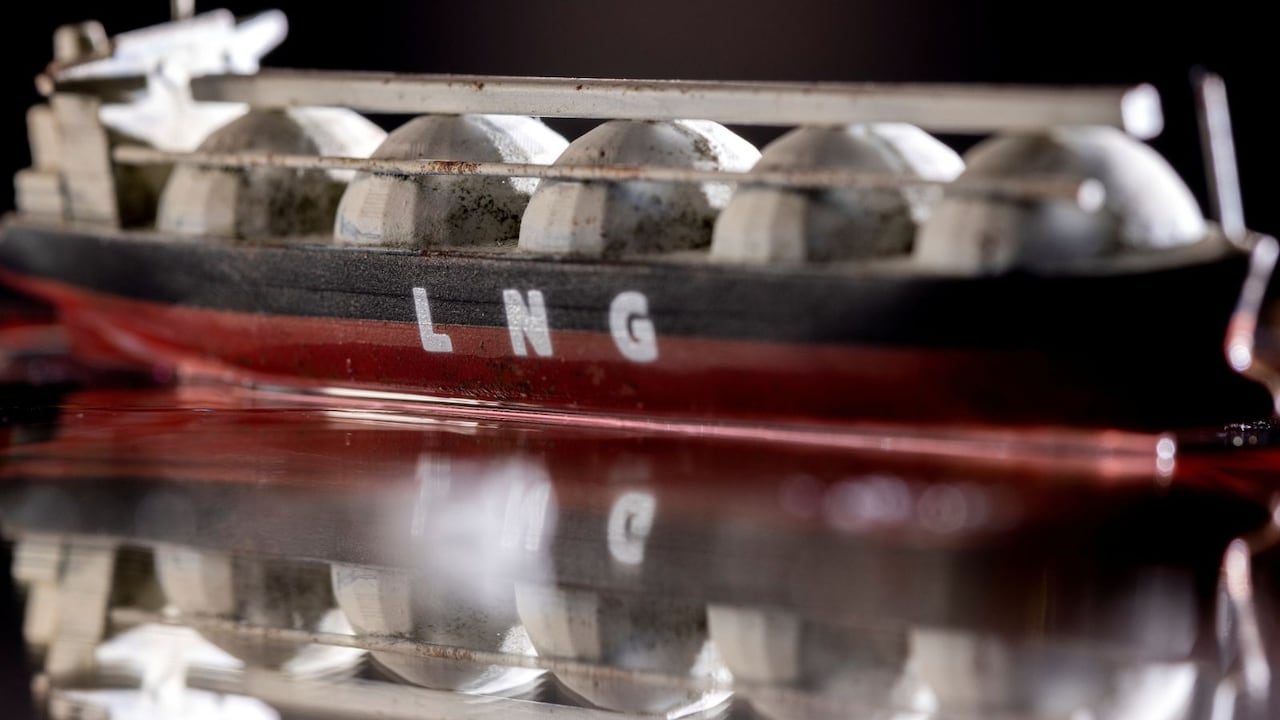
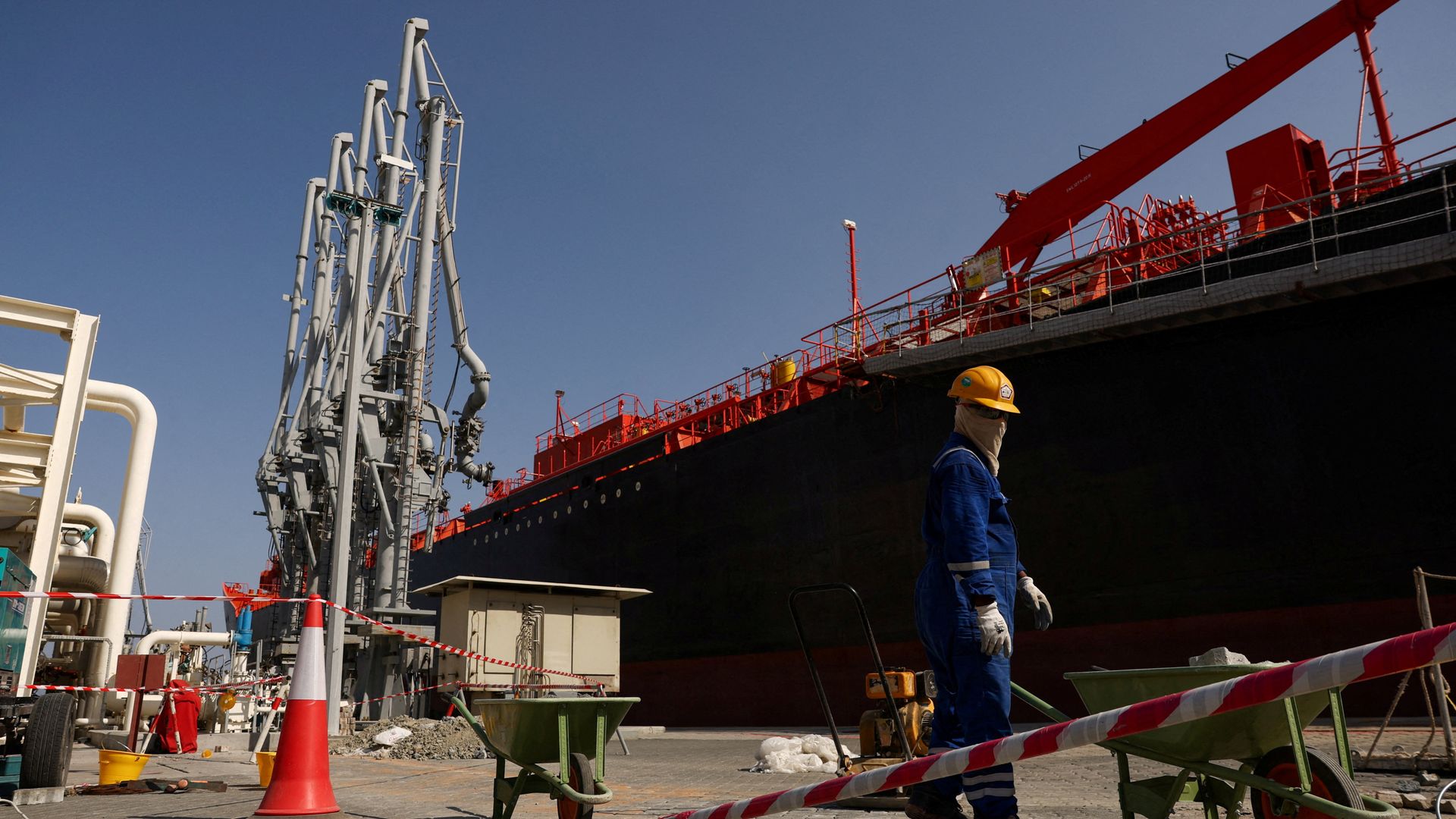
- The Catalyst: Iran targeted three commercial vessels transiting the Strait of Hormuz, including the Qatari liquefied natural gas tanker Al Rekayyat. The drone strike on the Qatari ship sparked a serious fire in its engine room.
- The Economic Retaliation: The US Treasury Department instantly revoked a general license, enacted just last month, that permitted Iran to export crude oil through August 21.
- The Military Response: US Central Command launched a heavy wave of airstrikes targeting dozens of military assets inside Iran to degrade their ability to hit merchant shipping. Explosions rattled Qeshm island and the port city of Bushehr.
- The Counter-Strike: Iran’s Revolutionary Guards retaliated almost immediately, firing at US military facilities in Kuwait and Bahrain.
This isn't just a minor diplomatic disagreement. It is a hot conflict in the world's most sensitive energy chokepoint. The Joint Maritime Information Center has already pushed the threat level for merchant ships crossing the Strait of Hormuz to "severe."
The Geopolitical Illusion Traders Got Wrong
Before this week’s chaos, energy markets were actively pricing in a massive wave of pent-up Iranian crude. Traders had accumulated record short positions, betting heavily that an influx of oil would create an oversupply and drive prices down to pre-war levels.
That betting strategy completely ignored reality.
The June interim agreement was built on shaky foundations. Under the 60-day memorandum of understanding, Iran agreed to allow safe passage through the Strait of Hormuz. But behind the scenes, Tehran immediately tried to change the rules of the game. They demanded that ships abandon the traditional, US Navy-protected southern shipping corridor along Oman’s coast and instead use a northern route under direct Iranian control.
When international shipping companies refused to comply, Iran started hitting tankers. The US administration’s decision to tear up the sanctions waiver shows that Washington isn't willing to let Iran dictate the terms of international maritime law. For traders, this means thousands of short positions are being aggressively covered, adding massive upward fuel to the current price rally.
What This Means for Global Inflation and Interest Rates
A volatile oil market doesn't just affect the price you pay at the pump. It ripples through the entire global economy.
Before this escalation, investors were already feeling jittery about massive tech valuations and heavy AI spending. A renewed energy crisis complicates the picture for central banks. The US Federal Reserve has been stuck in a hawkish holding pattern due to stubborn, sticky inflation.
When the price of Brent crude marches toward the $80 mark, it increases transportation and manufacturing costs across every sector. If energy costs stay high, central banks will keep interest rates elevated for much longer than the market currently anticipates. We are already seeing the immediate fallout: the FTSE 100 dropped more than 1% in morning trading, and European indices plunged deep into the red.
Next Steps for Navigating This Volatile Energy Market
If you are managing investments, running a logistics-heavy business, or just trying to protect your capital, sitting on your hands isn't an option. Here is how you should react to the shifting landscape:
- Reassess Energy and Transport Exposure: If your business depends heavily on fuel or freight, lock in your energy contracts now. Expect maritime insurance premiums for vessels routing anywhere near the Middle East to skyrocket by the end of the week.
- Hedging Commodities: Investors should look closer at traditional energy sector equities and broad commodity ETFs. The thesis that the market would face a massive supply glut is dead for the foreseeable future.
- Watch the Omani Corridor: Keep a close eye on transit volume reports through the Strait of Hormuz. If traffic through the southern lane drops below 50% of its normal levels due to the "severe" threat rating, expect Brent crude to easily clear the $85 threshold.