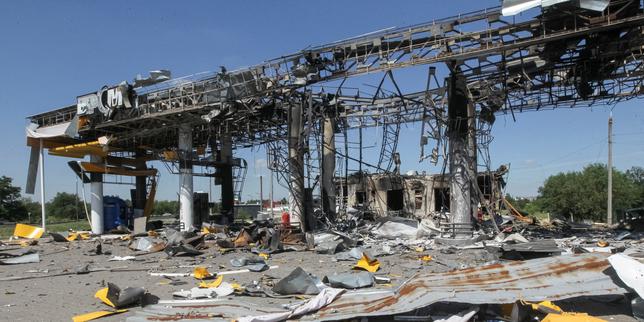
The war in Ukraine has hit a relentless drumbeat where daily updates sometimes blur together, but the latest overnight Russian attacks on Mykolaiv, Kherson, Kramatorsk, and the Dnipropetrovsk region tell a very specific, dangerous story. This isn't just random shelling anymore. If you look closely at the targets hit in the early hours of July 1, 2026, you see a systematic effort to disrupt the basic mechanics of daily survival.
People often think these long-range strikes are aimed purely at military bases or power plants. They aren't. The latest wave shows a terrifying focus on commercial civilian infrastructure, transport networks, and local businesses. It's a grinding campaign designed to make ordinary life impossible.
Understanding this shift helps explain why the conflict looks the way it does right now. Ukraine's air defenses are working overtime, but the sheer volume of cheap, distributed drone tech means things still slip through. Here is what actually happened on the ground and why it matters.
A Calculated Assault on Everyday Ukrainian Life
When you look at the raw data from the past twenty-four hours, the pattern becomes obvious. Russian forces aren't just using their expensive cruise missiles. They're flooding the skies with a mix of tools, including newer drone variants like the Molniya, the Lancet, and the low-cost Gerbera. These aren't meant to level entire city blocks. They are precision harassers.
The strategy is simple. By targeting gas stations, small warehouses, and public transit, you inflict maximum psychological and economic damage without needing to breach heavy military fortifications. It forces local governments to constantly redirect resources. It keeps civilians in a state of perpetual terror while they're just trying to get to work or fuel their cars.
Breaking Down the Impact Across the Regions
The damage stretches across several distinct areas, each facing a slightly different flavor of this assault strategy. Local officials have been working through the rubble to verify casualties and assess what needs immediate clearing.
The Fire and Casualties in Dnipropetrovsk
The Dnipropetrovsk region took a massive beating overnight. Regional authorities confirmed more than twenty separate strikes hitting communities across the province. The main target of this specific wave was incredibly specific, five different gas stations were hit.
The human cost here was immediate. A woman was killed in the strikes, and three other people were injured, including a pregnant woman who had to be rushed to the hospital. Hitting fuel infrastructure isn't just about stopping military trucks. It chokes local commerce. When gas stations burn, the entire local supply chain stutters, making it harder for emergency services to move and for food to reach shelves. Firefighters spent hours containing blazes at multiple impact sites that lit up the night sky.
The Targeted Minibus in Kherson
Further south, the Kherson region remains an active nightmare. The area faces a non-stop barrage of artillery and FPV drones flying across the Dnipro River. Over the last day, dozens of settlements came under fire, leaving one civilian dead and seven others wounded in the general shelling.
The most horrific incident occurred when a Russian drone targeted a civilian minibus in Kherson. Initial reports indicate at least two people were killed and the number of injured quickly climbed toward nine as rescue teams pulled victims from the wreckage. This is a deliberate tactic. FPV drone operators can see exactly what they're hitting through their headsets. Choosing to steer an explosive drone directly into a public transit vehicle is an intentional strike on the civilian population. It forces people off the streets and destroys the thread of normalcy the city tries to maintain.
The Destruction in Kramatorsk and Mykolaiv
In the Donetsk region, the pressure along the frontline communities is intense. An airstrike directly hit Kramatorsk, injuring three people. Across the wider region, including towns like Sloviansk and Sviatohorivka, at least seven civilians were wounded. The strike logs show over a thousand separate artillery and rocket impacts along the frontline areas, damaging dozens of residential buildings.
Meanwhile, the Mykolaiv region faced its own swarm of drone strikes. While there were no reported casualties there, the economic hit was severe. Drones managed to strike and ignite fires at a shopping center in Snihurivka and a commercial warehouse in Nova Odessa. A separate drone strike on a local enterprise killed one worker and injured three others. These aren't military command posts. They are places where regular people earn a living and buy groceries.
What This Teaches Us About the Current Stage of the War
We have entered a deeply frustrating phase of this war. On one hand, military leadership notes that overall Russian offensive activity along certain sectors has dropped by roughly a third compared to the massive infantry pushes of last year. On the other hand, the technological war has exploded in scale.
The sheer volume of drone deployments is staggering. Ukrainian General Staff reports show thousands of kamikaze drone operations happening daily across the entire theater. Because Russia has scaled up domestic production of cheap foam-and-plywood drones like the Gerbera, they can afford to waste them simply to map out where Ukrainian air defense batteries are hiding.
If you're tracking this conflict, don't just look at the frontline map lines. Look at the logistics. The current Russian objective is to bleed Ukraine domestically by destroying the economic tax base, ruining small businesses, and driving up the cost of reconstruction before the winter months even arrive.
Practical Steps for Supporting Ukrainian Relief Efforts
Watching this unfold from afar can feel paralyzing. The news cycles move fast, but the families dealing with shattered homes and destroyed workplaces face months of recovery. If you want to take action that actually helps on the ground right now, here is where you should direct your energy.
First, prioritize supporting localized, agile volunteer networks rather than just giant global organizations. Groups operating directly inside Dnipro and Kherson are the ones buying plywood, generators, and medical supplies to hand out within hours of an attack. They don't have corporate overhead, so your money turns directly into fuel for ambulances or repair kits for blown-out windows.
Second, don't lose focus on blood donation initiatives and medical supply chains. With civilian transit like minibuses being targeted, local hospitals in Kramatorsk and Kherson are under constant strain to treat trauma wounds. Supporting organizations that supply vacuum-sealed bandages, tourniquets, and field blood transfusion kits saves lives immediately.
The strategy behind these overnight attacks relies on the world getting tired of paying attention. Keeping the focus on these specific civilian impacts is the only way to ensure the pressure stays on.