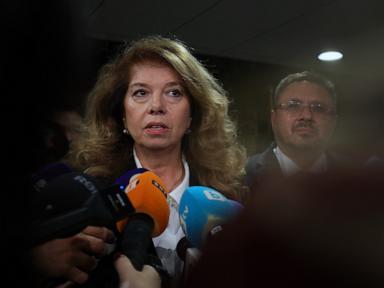
Bulgaria is currently deciding its next head of state under the heavy shadow of regional friction and economic anxiety. The presidential runoff pits incumbent President Iliana Iotova against former caretaker Prime Minister Andrey Gyurov. If you've been following European politics, you know that this isn't just another routine election. It's a high-stakes referendum on foreign alignment, Black Sea security, and the country's broader geopolitical future.
Voters head to the polls following a first round marked by historic voter apathy and acute security concerns. Recent drone incidents involving commercial shipping in the Black Sea have brought the war on Europe's doorstep directly into Sofia's political discourse. People are anxious. They want stability, but they are deeply divided on how to achieve it.
The Candidates and the Core Divide
The contest boils down to a stark choice between two distinct political paths. Iliana Iotova, who stepped into the acting presidency and previously served as vice president, commands a traditional base and is often viewed through a more cautious, historically nuanced lens regarding relations with Moscow. On the other side stands Andrey Gyurov, a former central bank vice governor and brief caretaker prime minister, backed by major pro-reform and pro-Western factions who champion tighter integration with European security frameworks and unwavering support for Ukraine.
This ideological friction shapes every campaign speech. Supporters of Gyurov argue that Bulgaria cannot afford ambiguity while regional security crumbles. They point to recent maritime security threats near Cape Kaliakra as proof that defense posture is the number one priority. Meanwhile, Iotova's camp emphasizes domestic social cohesion, economic relief, and protecting national interests from external overreach.
Why Voter Turnout Tells the Real Story
You can't talk about this election without addressing the elephant in the room: public fatigue. The first round saw abysmally low turnout, plunging to levels that shocked even seasoned political analysts. Years of frequent parliamentary elections, shaky coalitions, and lingering inflation have worn citizens down.
When people feel like their vote vanishes into a revolving door of short-lived governments, they stop caring. Analysts note that voter cynicism is the biggest winner in contemporary Bulgarian politics. Getting people to care about a runoff when trust in state institutions sits near rock bottom is an uphill battle. Yet, the outcome of this specific vote carries immense weight for the executive branch's moral authority.
The Geopolitical Ripple Effect
Sofia might not dominate daily global headlines like Brussels or Washington, but its geopolitical orientation matters immensely to NATO and the European Union. Bulgaria sits on the eastern flank, right on the Black Sea. Any shift in presidential leadership alters the diplomatic tone coming out of Sofia.
Western allies are watching closely to see if the country maintains its steadfast course or if internal political fractures open the door to political instability. At the same time, domestic parties are already positioning themselves for future parliamentary leverage. Endorsements from former prime ministers and rival parties have turned this runoff into a proxy battle for control over the country's political trajectory.
Keep an eye on the certified vote tallies and the composition of the winning candidate's administration. The real test won't just be who wins the office today, but whether the next president can bridge a deeply divided electorate before the next crisis hits.