If you've ever stared down the clogged asphalt of the 210 freeway on a crisp winter morning and wished you could escape to a quiet chairlift just an hour outside of downtown Los Angeles, you aren't alone. That dream of alpine isolation has tempted entrepreneurs for nearly a century. But owning a piece of that dream comes with a brutal reality check, as anyone tracking the saga of Mount Waterman knows all too well.
The historic ski resort tucked into the Angeles National Forest is back on the market for $3,275,000. This relisting follows the dramatic collapse of a high-profile purchase by Angeles Mountain Partners, an investment group that planned to convert the rustic public hill into an exclusive members-only playground called Waterman100. When grand ambitions hit the reality of federal land regulations, financing gaps, and natural disasters, the deal evaporated.
Now, the mountain is looking for a savior who actually understands how Southern California winter sports work.
The Anatomy of a Failed Private Club Dream
Back in October 2024, headlines blared that Mount Waterman had finally found its buyers. The pitch sounded sleek and lucrative on paper. The developers wanted to issue tiered memberships ranging from $100,000 for the early slots up to $250,000 for later tiers, supplemented by annual dues of $5,000. Wealthy patrons would secure private powder days, helicopter transit, custom cabins, and event spaces.
There was just one massive, glaring issue that the buyers seemingly overlooked. You cannot turn federal public land into an exclusive billionaire country club.
Mount Waterman does not sit on private acreage. Its infrastructure operates entirely under a special-use permit issued by the U.S. Forest Service. Listing agent Marc Ramirez noted that federal officials flooded his phone lines demanding answers as soon as the private club marketing material went public. The Forest Service made it abundantly clear from day one that exclusive public land use is a non-starter.
While the permit transfer process dragged through the entirety of 2025—complicated further by the devastating Southern California wildfires and the passing of longtime co-owner Rick Metcalf—the underlying financial foundation crumbled. When escrow finally stalled out, the truth emerged quite plainly: the buyers simply didn't have the capital to finish the transaction. Even though the Forest Service surprisingly approved a 20-year transferable special-use permit in December 2025, the deal was already dead in the water.
What $3.275 Million Actually Buys You
If you pony up the asking price, you aren't buying real estate deeds or sweeping forest acres. You are purchasing a slice of Southern California skiing heritage that comes with specific operational assets.
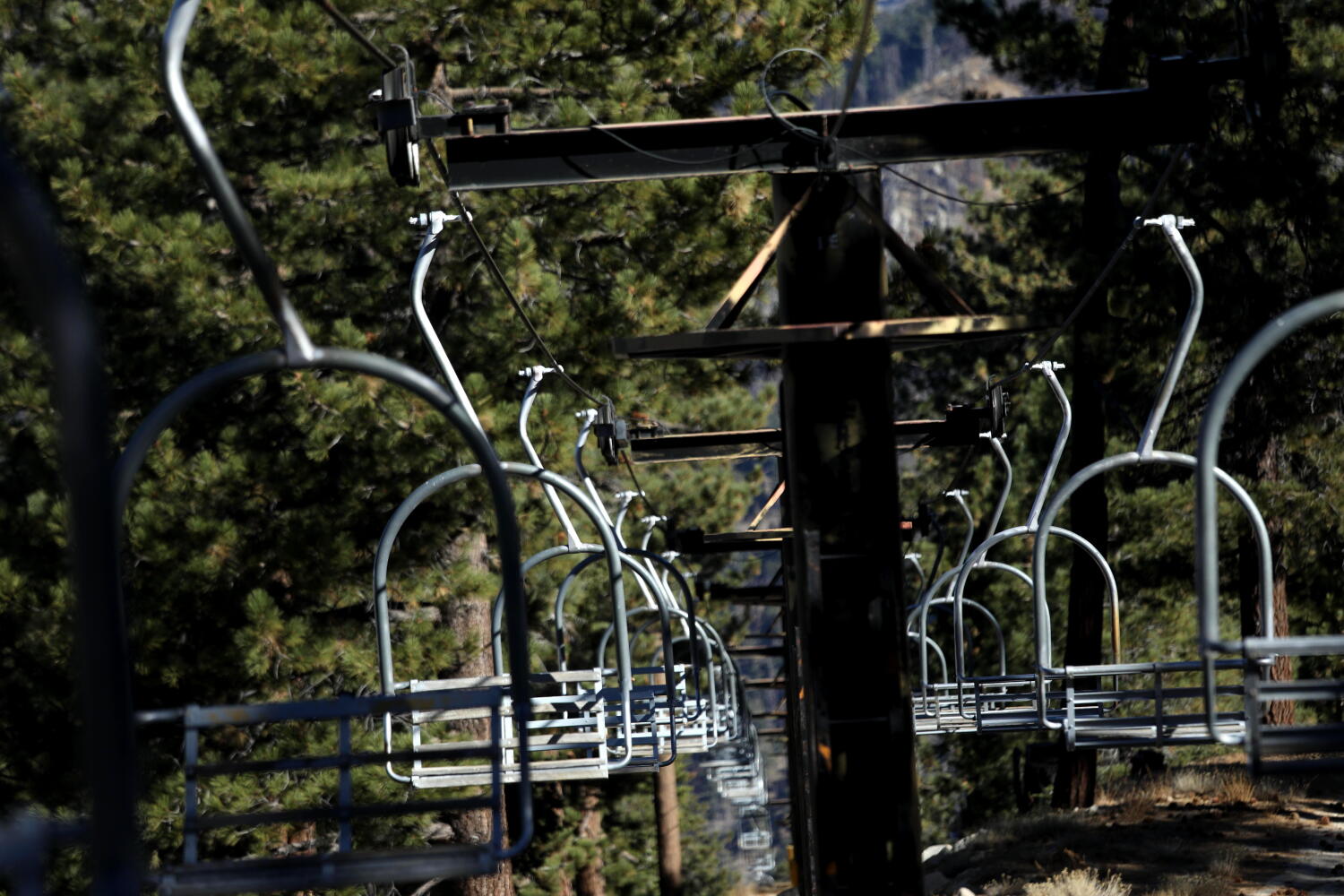
The package includes existing chairlifts, a warming hut complete with a working kitchen, bar, and lounge space, a dedicated ski patrol building, and two mobile trailers meant for employee housing. You also inherit the 20-year Forest Service special-use permit.
But running Mount Waterman has never been for the faint of heart. Founded back in 1939, the resort has historically operated under a wonderfully chaotic philosophy: "Open when it snows!" Because the ski area relies entirely on natural snowfall without a heavy-duty artificial snowmaking system, its seasons are notoriously unpredictable. From 2011 through 2017, shifting climate patterns and regional wildfires meant the mountain welcomed the public for only a dozen to twenty-five days a year on average.
The Shift Back to Public Access
With the exclusive country club concept thoroughly buried, listing agent Marc Ramirez has pivoted the sales strategy entirely. The goal now is finding a buyer committed to restoring public access rather than catering to elite cardholders.
That shift makes operational sense. Southern California skiers are fiercely loyal and starved for accessible local terrain. When big winter storms dump fresh powder across the San Gabriel Mountains, demand spikes instantly. But keeping the lifts turning requires a delicate dance with federal regulators, unpredictable weather windows, and steady operational funding that doesn't rely on pipe dreams of private heli-skiing.
Until a qualified buyer steps forward and navigates the grueling bureaucratic hurdles, Mount Waterman remains quiet. The highway closure keeps casual visitors away, leaving the historic runs to dedicated backcountry skinners and hikers who still want to earn their turns on a legendary Southern California peak.
If you have the capital, a tolerance for federal red tape, and a genuine love for old-school mountain culture, the chairlifts are waiting. Just don't expect it to be easy.