Trade diplomacy is rarely a polite exchange of pleasantries behind closed doors. Right now, it's a high-stakes standoff. Canadian Prime Minister Mark Carney has made it crystal clear that Ottawa won't just sign any agreement put on the table by the Trump administration. If current cross-border trade talks fall apart over demands that squeeze the Canadian automotive sector, Ottawa has a backup plan. And that plan involves looking eastward to Chinese, European, and Japanese manufacturers.
This isn't just empty posturing. It’s a calculated pivot born out of sheer necessity as North American supply chains face constant disruption.
The Breaking Point in North American Auto Trade
The friction didn't appear overnight. For decades, the Canadian and American auto industries operated as a single, deeply integrated engine. Vehicles cross borders multiple times before assembly is finished. But aggressive tariff threats and shifting manufacturing commitments have fractured that trust.
Consider the fallout with legacy automakers. Canada recently threatened legal action against Stellantis after the company shifted planned Jeep Compass production from Brampton, Ontario, to Illinois while looking to offload its Canadian footprint. When traditional partners start pulling up stakes, governments look for survival mechanisms.
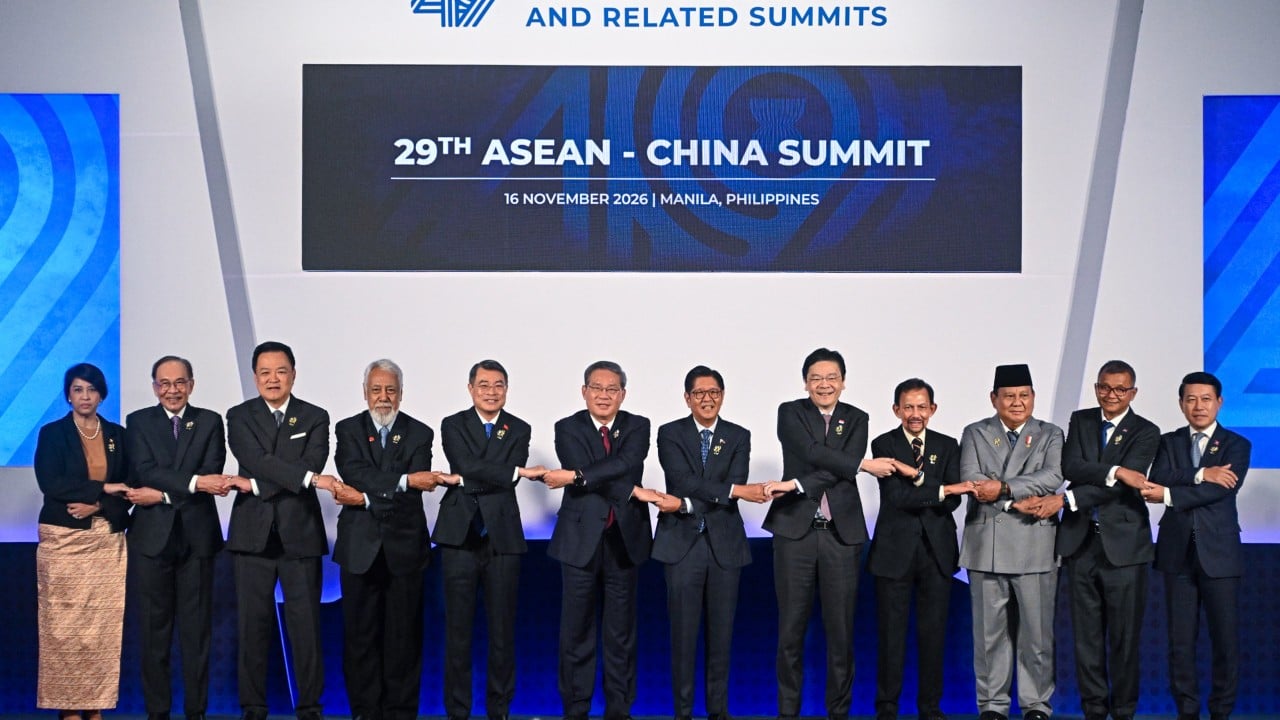
Carney’s stance is straightforward. During recent press conferences following talks in Manila, he emphasized that Canada refuses to accept a deal that sacrifices a viable domestic auto industry. When you're cornered by your largest trading partner, finding alternative leverage isn't optional. It's basic survival.
Opening the Door to Beijing
This current posture builds on groundwork laid earlier in the year. Under a trade agreement established with Beijing, Canada reduced tariffs on Chinese electric vehicles to 6.1% for a capped annual quota of up to 49,000 vehicles, while China eased restrictions on Canadian agricultural exports like canola.
Naturally, the move drew immediate pushback. Domestic labor unions like Unifor argued that welcoming heavily subsidized foreign EVs threatens local manufacturing jobs. Ontario Premier Doug Ford voiced sharp concerns that opening the door to Chinese automotive imports could jeopardize access to the vital U.S. market.
Carney’s counter-argument hinges on a demand for real manufacturing investment, not just import floodgates. As he noted, any long-term arrangement has to involve actual assembly plants and local jobs, not just shipping finished cars across the Pacific.
The Geopolitical Balancing Act
Navigating this tightrope requires steady nerves. Aligning too closely with Beijing risks angering Washington, which remains hyper-sensitive to Chinese industrial expansion. Yet, relying entirely on a U.S. administration that treats trade agreements as moving targets leaves Canadian workers exposed.
By keeping alternative options alive, Ottawa forces Washington's hand. It signals that Canada isn't a captive market willing to accept terms that hollow out its industrial base. If trade talks completely sour, accelerating partnerships with foreign automakers provides a realistic cushion against American protectionism.
Ultimately, the future of Canadian manufacturing depends on adaptability. If the old cross-border rules no longer apply, Ottawa will rewrite the playbook entirely—even if it means welcoming competitors that Washington would rather keep out.