Trade wars rarely start with quiet diplomacy. They start with a bang.
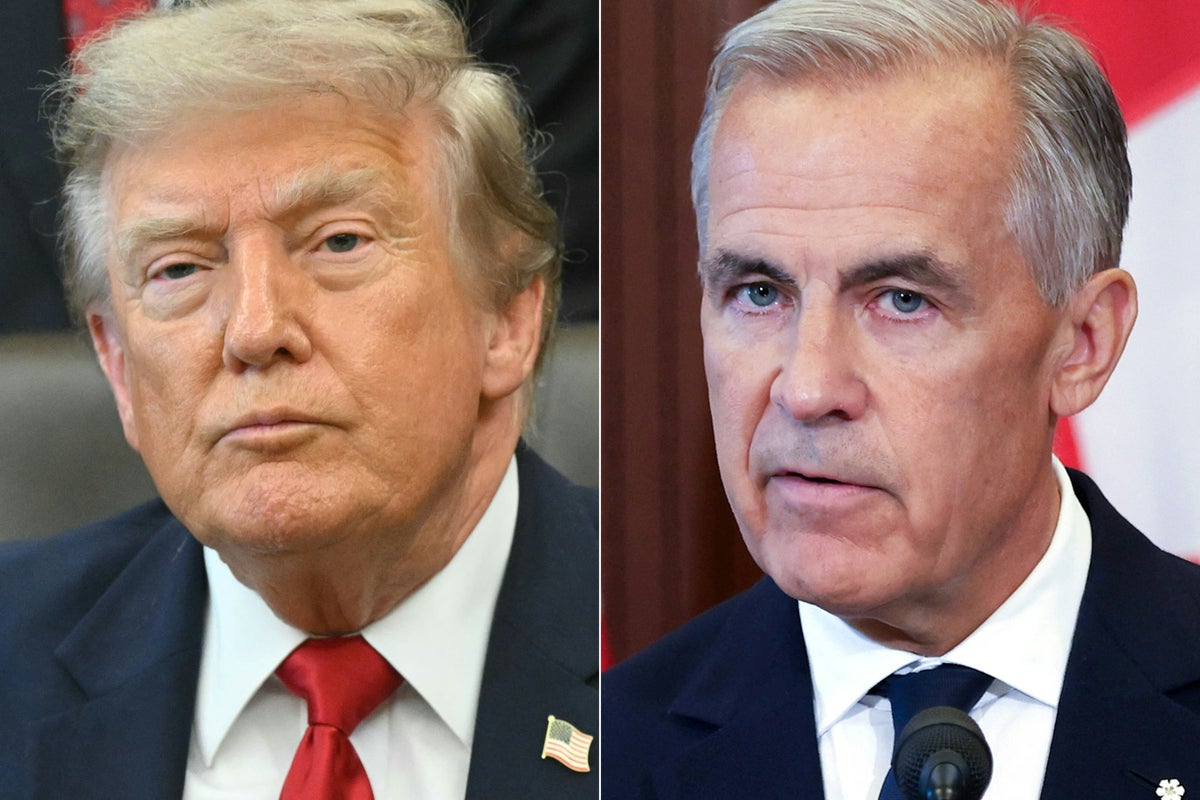
When the Trump administration slapped a punishing 50% tariff on roughly $20 billion worth of Canadian goods—targeting everything from hockey sticks and whisky to foundational industrial materials—Ottawa didn't blink. Canadian Prime Minister Mark Carney hit back hard, suspending trade talks and announcing that Canada will match the U.S. levies dollar for dollar starting September 8.
If you think this is just political theater, look closer. This is a full-scale economic clash between two nations that traded nearly $880 billion in goods and services just last year. Supply chains are fracturing. Consumers are about to pay the price.
The Breaking Point Behind the Border Clash
How did we get here? For months, Washington and Ottawa tried to hammer out a workable trade compromise. But the talks collapsed over what Canadian officials call unacceptable overreach.
The U.S. administration introduced last-minute provisions designed to limit Canada's freedom to trade with other nations. Carney didn't mince words, stating that Washington's terms crossed the line into undermining Canadian sovereignty.
"They asked too much and offered too little," Carney told reporters.
The U.S. used Section 338 of the Tariff Act of 1930—a dormant Great Depression-era law—to justify the 50% duties on about 550 distinct Canadian products. In response, Canada's counter-tariffs will hit over 700 American products, carrying rates of up to 50% on goods like steel, aluminum, furniture, and clothing, alongside a 25% rate on appliances, dairy, and seafood.
Who Gets Hurt When Neighbors Fight?
Trade barriers are taxes paid by domestic importers, not foreign exporters. When businesses face a sudden 50% tax spike, those costs trickle down instantly.
Small businesses are caught right in the middle. Companies relying on cross-border inputs for manufacturing, agriculture, and construction are scrambling to adjust. To cushion the blow, the Canadian government rolled out a CAD $7.5 billion support package aimed at keeping vulnerable workers and medium-sized enterprises afloat.
Yet, money packages only fix symptoms, not the disease. The real issue is structural uncertainty. Manufacturers cannot plan five-year budgets when trade rules change by executive post overnight.
What Comes Next for North American Trade
President Trump has already warned that Canada must "fall in line" or face even harsher consequences. Threatening further 50% tariffs on Canadian vehicles and auto parts starting next January signals that the worst may still be ahead.
Canada's strategy is shifting, too. Instead of endless concessions, Ottawa is doubling down on domestic economic resilience and diversifying trade away from its southern neighbor.
If you run a business with exposure to cross-border supply chains, stop waiting for stability. Audit your inventory dependencies today, price potential cost surges into your Q4 forecasts, and source alternative suppliers outside North America before your competitors beat you to it.