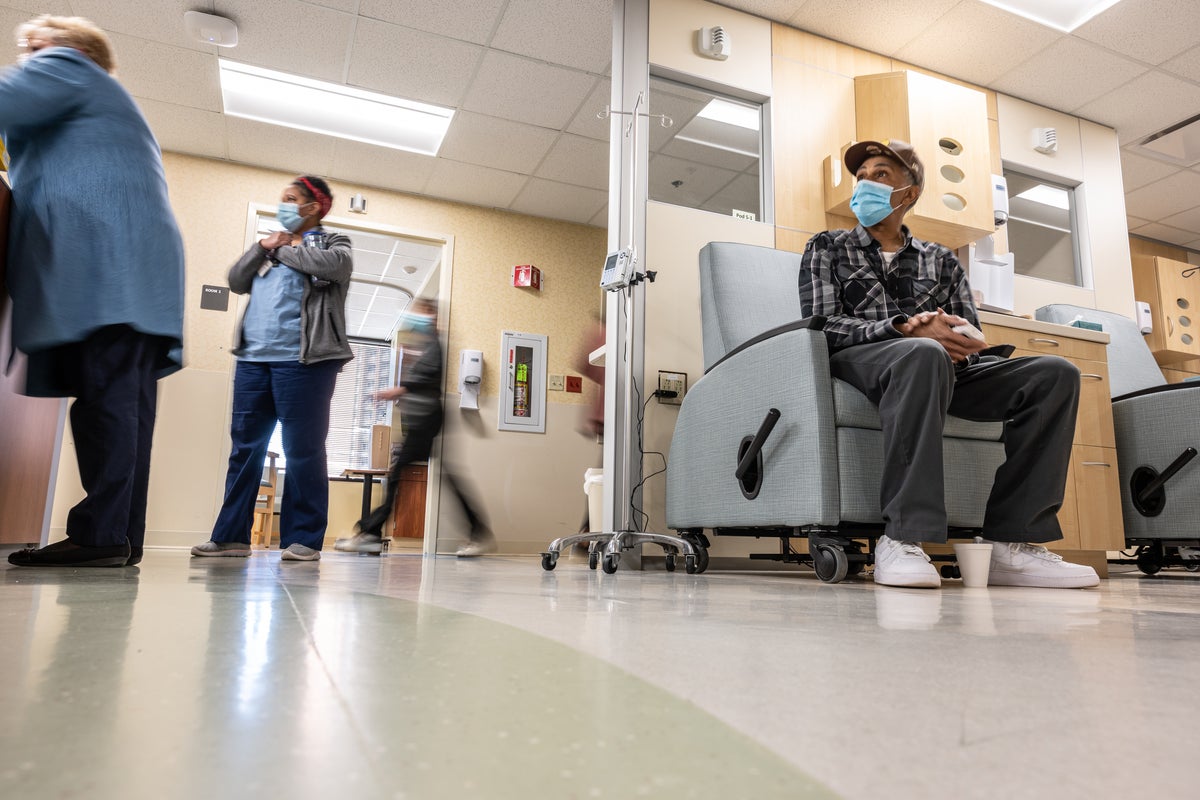
You get a cancer diagnosis. Your immediate instinct tells you to get the tumor out of your body right now. Unfortunately, the American healthcare system has other plans.
Recent data published in JAMA Surgery reveals a terrifying trend. Between 2012 and 2023, the time it takes for US cancer patients to move from diagnosis to their first course of treatment grew by nearly two weeks across major malignancies. We aren't talking about rare, hard-to-reach tumors. We are talking about common, aggressive conditions like breast, lung, colon, and pancreatic cancer.
Waiting an extra month for surgery sounds like an administrative annoyance on paper. In reality, it changes survival odds.
The Numbers Behind the Delay
Dr. Timothy Donahue and his team at UCLA evaluated records from more than 2.7 million patients in the National Cancer Database. What they found should alarm anyone who trusts that care will be there when they need it. Median wait times expanded universally:
- Breast cancer jumped from 34 days to 45 days.
- Colon cancer increased from 20 days to 31 days.
- Lung cancer escalated from 41 days to 53 days.
- Gastric cancer spiked from 35 days to 49 days.
- Esophageal cancer climbed from 38 days to 48 days.
- Pancreatic cancer shifted from 23 days to 32 days.
Worse yet, the proportion of patients suffering extreme delays—waiting 60 days or longer just to start therapy—ballooned across every single category.
Why Are Cancer Surgery Wait Times Growing?
You might assume local community clinics are to blame. They aren't. Interestingly, the study pointed out that prolonged wait times were actually more pronounced at high-volume academic and specialized medical centers.
System consolidation is a primary culprit. As massive health networks swallow smaller practices, care centralization creates severe administrative bottlenecks. Every referral, insurance pre-authorization, and multidisciplinary tumor board review adds days or weeks to a clock that is already ticking too fast.
Physician burnout and national shortages of oncology specialists also compound the pressure. When clinics take on more patients than their surgical suites can handle, scheduling slots push further out. Ironically, even technological advancements play a role. Non-breast cancer surgeries utilizing advanced robotic systems often faced longer scheduling delays due to equipment competition and specialized staff requirements.
Who Bears the Heaviest Burden?
Systemic inequities dictate who waits and who gets treated immediately. The data shows that longer surgical wait times disproportionately hit vulnerable populations.
Patients insured by Medicaid, individuals living in low-income zip codes, Black patients, and those forced to travel long distances for care face significantly worse delays. When you combine geographic barriers with insurance red tape, marginalized patients find themselves pushed to the back of the line.
The Real Cost of Waiting
Clinical literature links delayed surgical intervention with tangible drops in survival. For lung cancer, waiting too long elevates both 90-day and 5-year mortality risks by roughly 20% to 30%. Gastric and breast cancers see similar correlations where missing timely treatment windows degrades long-term prognoses. Tumor progression does not pause because a hospital's scheduling software is jammed or a prior authorization form is sitting on an insurance adjuster's desk.
How to Advocate for Yourself
If you or a loved one receives a cancer diagnosis, waiting passively for a hospital to call you with a surgical date is a losing strategy. You have to treat your scheduling timeline with the same urgency as the medical treatment itself.
Ask your oncologist for specific benchmark timelines immediately following your staging results. If your surgery date pushes past standard safety windows, request referrals to alternative high-volume centers within your network. Do not hesitate to call hospital patient navigators daily to check for cancellation openings. Push your insurance provider aggressively if prior authorizations stall your approvals. Systemic fixes will take years of policy overhaul, but right now, aggressive personal advocacy remains your best defense.