Internet sleuths rarely admit when they get things wrong. Instead, they just pivot to the next viral clip and hope their followers forget the last mishap.
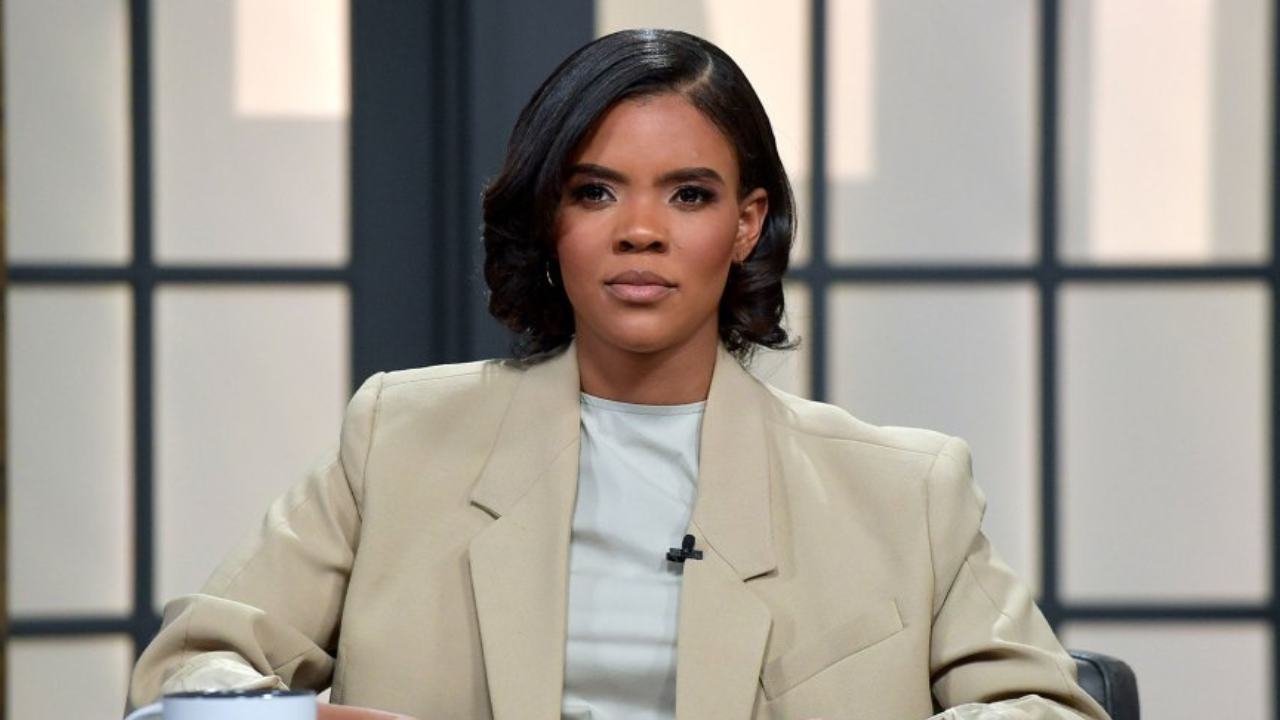
Candace Owens found herself right back in the center of a social media storm after an X post from the account Cinema Shogun went viral, accusing her of dramatically walking back claims she made regarding Officer Bagley. If you spend any time watching independent commentators dissect complex events, you already know the routine. Bold declarations happen on Tuesday, quiet corrections happen on Thursday, and the audience acts like nothing ever changed.
The core issue isn't just about what Owens said or didn't say on her show. It exposes a much deeper flaw in how modern digital commentary operates. When creators treat major investigations like daily entertainment, accountability gets lost in the algorithm.
The Anatomy of a Viral Reversal
The backlash started when critics pointed out a glaring pattern in Owens' recent broadcasts. During a segment discussing bystander footage from September 10th, Owens claimed she had found specific visual evidence identifying who Officer Bagley was standing with on a rooftop at 12:47 PM. She framed it as a major breakthrough, questioning why federal investigators and campus police missed details a random bystander managed to capture.
Then came the pivot. According to widespread reactions online, subsequent episodes required a correction or a softening of those initial, highly confident assertions.
Critics argue this happens constantly. A host drops a heavy allegation, lets it circulate to millions of viewers for maximum engagement, and then walks it back after the damage is already done.
"Candace Owens doesn't even try to pretend that her fake investigation is serious anymore because she knows she already has her audience wrapped around her finger." — Viral X post from Cinema Shogun
That quote cuts right to the heart of why people are frustrated. It points out a loyalty dynamic that defies standard journalism. In traditional reporting, structural corrections carry heavy reputational costs. In the streaming era, a botched claim often just drives more commentary, more reaction videos, and more polarization.
Why the Audience Stays Hooked
You might wonder why factual missteps don't dent a creator's popularity. Honestly, it is because modern audiences aren't looking for a pristine, error-free news broadcast. They want a narrative fighter.
When someone like Owens takes aim at official institutions, federal agencies, or mainstream university timelines, her supporters view her as an underdog challenging a corrupt system. To that audience, a mistake made while "investigating out loud" isn't a disqualifying lie. It is just part of an ongoing, transparent struggle against gatekeepers.
Mainstream journalists make mistakes too. Major news outlets issue quiet editor's notes daily. The difference is style and accountability. Legacy media hides behind sanitized institutional corrections. Independent streamers broadcast their raw thought processes in real-time, errors and all, which ironically makes their followers trust them more, not less. They feel like they are watching a human being think, rather than a corporate PR machine reading a script.
The Dangerous Side of Open-Source Speculation
This style of commentary creates real-world collateral damage, and that is where the defense falls apart.
When high-profile creators toss out names, speculate about plain-clothes figures on rooftops, or drag peripheral figures into massive online controversies, real people get caught in the crossfire. Even if a creator walks back a claim two days later, the internet moves much faster than the retraction. The initial clip lives forever on TikTok, YouTube Shorts, and X feeds, detached from any context or subsequent correction.
We saw parallel friction points surface around the same time when discussions involving figures like Frank Turek entered the mix, showing how quickly online investigations can snowball into accusations that pull in outside parties. Once an audience starts hunting for villains, every new name mentioned becomes a target for digital harassment, regardless of whether concrete evidence exists.
Navigating the Noise of Independent Media
If you consume alternative commentary, you have to adopt a sharper bullshit detector. Stop treating stream transcripts like sworn testimony. Independent creators are performers and commentators, even when they wear the mantle of independent investigators.
Here is how you actually filter the noise:
- Wait for the dust to settle. If a creator drops a bombshell claim with zero corroborating documentation from primary legal sources, ignore it for a week. See if it holds up or vanishes.
- Separate analysis from evidence. Notice when a host is presenting a verified document versus when they are just reading a bunch of unverified emails sent in by random viewers.
- Check the retraction trail. If someone never admits a mistake, run away. Complete infallibility is the clearest sign of a grift.
The debate over Candace Owens and the Officer Bagley footage isn't going to change minds on either side. Her critics will use it as proof that her broadcasts are unverified theater, while her supporters will view the backlash as coordinated establishment panic.
Until viewers start demanding higher standards of proof before names are thrown into the ring, the cycle of sensational claims and quiet walk-backs will just keep repeating.