Nobody expected the Blue Sharks to survive Group H. They did. The tiny West African island nation entered the 2026 FIFA World Cup as the ultimate underdog, only to exit as a global sensation. By holding heavyweights like Spain to a 0–0 draw and fighting Uruguay to a spectacular 2–2 tie, Cape Verde became the smallest country by population to ever reach the tournament's knockout rounds.
Then came the legendary Round of 32 clash against Argentina. It was a wild, 3–2 extra-time thriller that left fans breathless. Even though an unfortunate 111th-minute own goal sealed their exit, the Blue Sharks won something much bigger than a trophy. They caught the eye of millions of travelers who suddenly scrambled to Google to find out where this place actually is. Don't miss our earlier article on this related article.
The massive surge in Cape Verde World Cup tourism isn't a temporary spike. It's a fundamental shift in how people view the Atlantic archipelago. For decades, the country relied almost exclusively on European charter flights heading to the beach resorts of Sal and Boa Vista. That old model is dead. The world has now seen the grit, culture, and beauty of the real Cape Verde, and the islands are rushing to cash in on this unprecedented visibility.
Moving Beyond the All-Inclusive Beach Trap
Most people get Cape Verde completely wrong. They think it's just a collection of barren sand dunes lined with massive, sterile resorts. That's a massive mistake. The tournament forced international broadcasters to show the world what lies beyond the hotel gates, and the response has been staggering. If you want more about the history of this, AFAR offers an informative summary.
Travelers don't just want to sit on a beach anymore. They want the cultural depth of Mindelo on San Vicente island. Mindelo is the undisputed beating heart of Cape Verdean music, famous for its intense festivals and traditional colonial streets. Goalkeeper Josimar “Vozinha” Dias became a national hero during the tournament, and his home islands are now seeing a massive wave of sports fans looking for authentic cultural immersion rather than standard tourist traps.
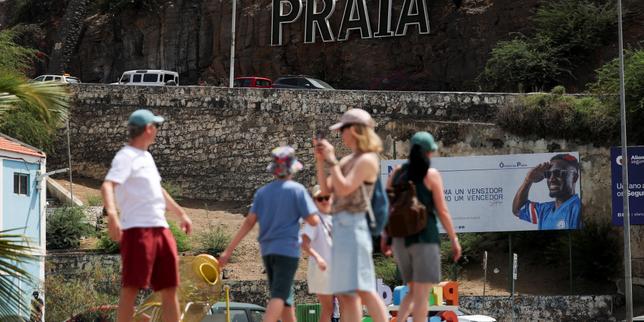
Then you have Santiago, the largest island. It holds the capital city of Praia and the historic ruins of Cidade Velha. This was the very first city built by Europeans in the tropics, now recognized as a UNESCO World Heritage site. If you're planning a trip, skipping Santiago means missing the soul of the country.
How to Experience the Authentic Side of the Islands
If you want to beat the crowds and see what makes this country special, you need to change your travel strategy immediately.
First, skip the massive resorts on Sal. Book a local guesthouse in Mindelo instead. Spend your evenings listening to live Morna music in the small bars where legendary singer Cesária Évora used to perform.
Second, go hiking in Santo Antão. It's a short ferry ride from Mindelo, but it feels like another planet. The island is packed with towering green peaks, deep canyons, and remote farming villages clinging to cliff sides. It's the ultimate destination for adventure tourism, a sector the government is desperately trying to expand to spread the economic benefits across all ten islands.
Third, explore the history of Cidade Velha on Santiago. Walk down the Banana Street, see the old royal fortress, and sample local grogue, a potent sugarcane rum distilled in the mountains.
The Infrastructure Problem Nobody Wants to Talk About
Let's look at the facts honestly. A sudden travel boom sounds great on paper, but it comes with massive risks. Cape Verde's current internal transport network is fragile. Inter-island flights can be notoriously unreliable, and ferry schedules change based on Atlantic swells.
If the government wants to turn this football hype into decades of economic growth, they must upgrade local infrastructure fast. Aviation connectivity needs to improve so travelers can move smoothly between Santiago, São Vicente, and the hiking hubs without getting stranded for days. Local businesses also need direct support to ensure that tourist dollars go into the pockets of residents rather than international hotel conglomerates.
Next Steps for Planning Your Trip
Don't wait until the winter rush to book your travel. Flight prices are climbing steadily as international carriers notice the trend.
Start by checking direct flights to Praia or Cesária Évora International Airport in Mindelo. Avoid booking a rigid package tour. Rent a local guide for hiking in Santo Antão or touring Santiago's historic valleys. This guarantees your money supports the local communities that fueled the country's historic rise on the world stage.