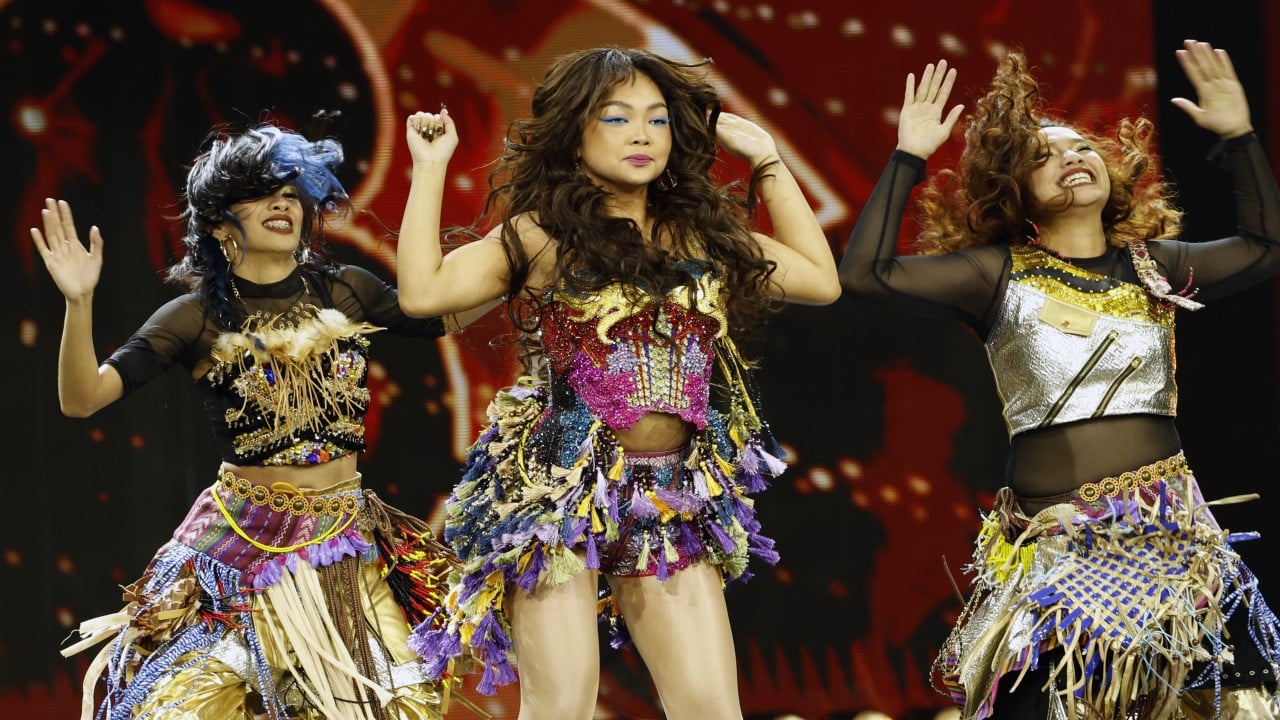
A crystal microphone, 211 total points, and a roaring crowd at the One Bangkok Forum. That is how the Philippines made history on November 14, 2026. Nineteen-year-old Carmelle Collado didn't just participate in the inaugural Eurovision Song Contest Asia; she completely dominated it.
If you watched the grand final live from Thailand, you already know the energy in the room shifted the moment she stepped onto the stage. It wasn't just a win for one artist. It was a cultural statement that reverberated across continents.
The Night Manila Stole the Show in Bangkok
Eleven territories traveled to Bangkok for Eurovision's first-ever regional expansion outside Europe. The competition fierce. Host nation Thailand put up a massive fight with the duo Mang and Daou, while Vietnam's seasoned star Tóc Tiên opened the night with theatrical flair. Yet, when the dust settled on the voting tally, the gap was undeniable.
Carmelle secured 93 points from the national juries and a massive 118 points from the public vote, bringing her winning total to 211. Thailand took second place with 170 points, and Vietnam rounded out the podium with 164. It was a clean sweep that proved international audiences connected instantly with her track.
Breaking Down the Winning Performance of Sobra-Sobra
The track carrying Carmelle to victory is called "Sobra-Sobra," a sharp, high-energy pop anthem featuring a blistering rap section. Written by Nica del Rosario and Mat Olavides, the song carries a message about womanhood, self-worth, and refusing to apologize for taking up space.
For Carmelle, the lyrics hit close to home. Growing up facing harsh criticisms regarding her skin color, she channeled those painful experiences into a performance defined by fierce confidence. She refused to hold back. On stage, she sang live, hit complex choreography, and rapped without missing a beat. That physical and vocal stamina separated her from standard balladeers in the lineup.
From Local Talent Searches to the International Stage
Success didn't happen overnight for the young singer from Sipocot, Camarines Sur. Music fans might remember her breakout run back in 2019 during the fourth season of The Voice Kids Philippines, where she finished as runner-up under coach Bamboo. She sharpened her skills through years of grind, later winning the School Showdown edition of Tawag ng Tanghalan in January 2025 with a show-stopping Aretha Franklin medley.
Those grueling local television competitions forged her stage presence. When she stood under the blinding lights in Bangkok alongside hosts Cindy Bishop and Woody Milintachinda, she looked entirely comfortable. She didn't look like a rookie testing the waters. She looked like a seasoned headliner claiming what was hers.
Navigating the Mechanics of Eurovision Asia
Bringing the world-famous European song contest format to Asia took years of planning. The European Broadcasting Union partnered with Voxovation to make the 2026 edition a reality. The voting structure relied on a split system combining national jury panels and public viewers from across the globe.
While fans within the Philippines faced unique restrictions preventing them from voting directly for their own act, international support mobilized rapidly. Diaspora communities, K-pop and P-pop crossover fans, and curious European Eurovision veterans tuned in to watch the broadcast. The result shows that cross-cultural pop music transcends language barriers when the execution is sharp.
What This Victory Means for Original Pilipino Music
For years, Original Pilipino Music has enjoyed massive domestic streaming numbers while struggling to capture mainstream western or regional Asian charts outside niche fandoms. Carmelle's win changes the baseline. It forces international promoters and booking agents to look closer at what Manila's recording studios are producing.
Winning the crystal microphone doesn't come with heavy cash prizes, but it opens doors that money cannot buy. It paves the way for future Filipino acts to enter regional festivals with built-in credibility.
Keep an eye on the upcoming release schedules. When artists from Southeast Asia start commanding prime slots on international festival lineups next year, trace the momentum back to that single night in Bangkok. The global music industry just learned a valuable lesson. Ignore Filipino pop at your own peril.