Armed men took hostages in Cartagena on Tuesday, November 24, 2026, after a botched attempt to rob an armored cash truck spiraled into a high-profile supermarket standoff. If you have flights booked to Colombia's famed Caribbean port, don't panic yet. Look closely at what actually happened, where it happened, and what official advisories say right now.
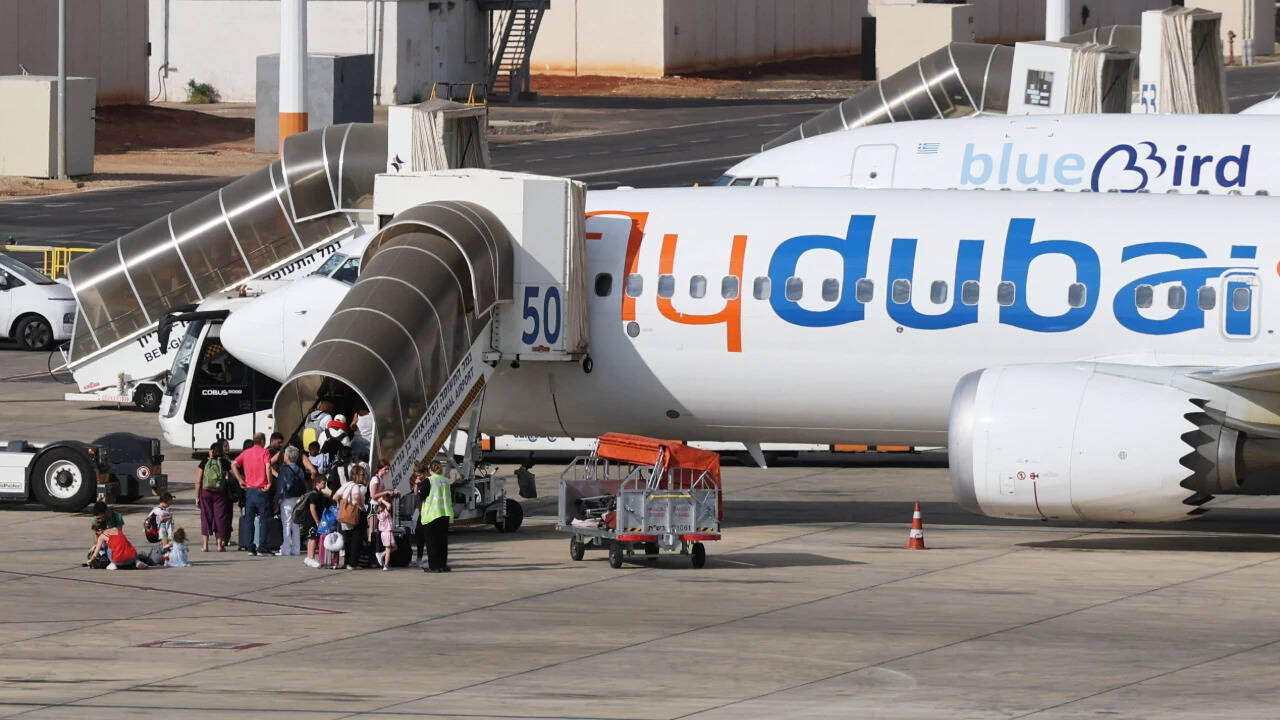
According to reports from the Associated Press, Reuters, and Agence France-Presse, hooded gunmen fled into an Éxito supermarket along Avenida Pedro de Heredia in the La Castellana neighborhood after police responded to a failed armored-car holdup. Colombian President Abelardo de la Espriella said around 30 people were initially taken hostage, with 10 freed by nightfall—including five elderly women—while police, soldiers, navy personnel, and special forces surrounded the building. Cartagena's Rafael Núñez International Airport briefly suspended operations before beginning to return to normal, and De la Espriella explicitly stated the attackers were common criminals caught off guard with no way out, not a guerrilla or rebel group.
For travelers, the headline sounds terrifying. In reality, headlines strip away geography and context. Cartagena isn't a tiny resort bubble where one incident shuts down every street, yet it also doesn't exist in a vacuum apart from broader security pressures across Colombia.
Why the Cartagena Hostage Crisis Matters Beyond the Headlines
A standoff inside a supermarket makes global news fast, especially when it happens in a city known for pastel colonial walls, rooftop bars, and cruise arrivals. Still, a botched robbery turning into a hostage barricade isn't the same thing as an organized attack on tourists.
President De la Espriella emphasized that the gunmen weren't carrying out a political or guerrilla kidnapping. Instead, they ran for cover when police moved in on an armored cash transport. That distinction matters because it explains the nature of the threat: opportunistic cornered criminals reacting to law enforcement, rather than groups targeting foreign visitors.
At the same time, timing makes nerves run high. Reports noted that the crisis unfolded while Colombia was dealing with heightened violence elsewhere in the country, including recent attacks linked to armed groups. Even when a specific incident stems from street-level or organized robbery rather than insurgency, travelers naturally ask whether spillover or heavy security deployments could disrupt their trip.
Where La Castellana Sits Relative to Tourist Hubs
Geography is the single biggest detail missing from short wire summaries. The standoff took place in La Castellana along Avenida Pedro de Heredia, an inland commercial and residential corridor rather than the Walled City (Ciudad Amurallada), Getsemaní, or the Bocagrande hotel strip.
That doesn't mean the ripple effects stayed invisible. Nearby shopping areas—including Paseo de La Castellana—faced closures or heavy police cordons, streets around the perimeter were shut down, and Rafael Núñez International Airport saw temporary flight disruptions during the security response. If your hotel or transfer route runs near major arteries, traffic and perimeters can slow you down even if you never set foot near the store.
What Travelers Usually Get Wrong About Cartagena Safety
After a dramatic news event, two opposite mistakes show up constantly. Some people cancel everything out of fear. Others wave off real risks because a resort street looks lively and colorful.
Honest travel risk in Cartagena is rarely all-or-nothing. Over years of watching how travelers get into trouble in Colombia, the biggest problems usually come from routine habits—not dramatic sieges.
- Assuming tourist zones are immune to street crime: Heavy police presence in the Walled City, Getsemaní, and Bocagrande helps, yet pickpocketing, overcharging, and petty theft still happen where crowds gather.
- Ignoring government travel advisories: Both the U.S. Department of State Colombia Travel Advisory and Government of Canada Colombia Travel Advice flag serious risks across Colombia, including crime, terrorism, unrest, and kidnapping. Always read the fine print rather than relying on social media hype.
- Letting guard down after dark or on transport: Unlicensed taxis, wandering down quiet unlit side alleys late at night, and accepting drinks or food from strangers remain recurring headaches for visitors.
- Confusing a calm afternoon with zero risk: A sunny walk through historic plazas doesn't erase broader national security dynamics or local street hazards.
Local Crime vs. Broader Security Dynamics
In practical terms, there's a big difference between everyday tourist traps and major security operations. Most visitors who run into trouble deal with inflated tabs, phone snatchings, or risky nightlife choices—things smart preparation can sharply reduce.
Large-scale incidents like an armored-car robbery gone sideways trigger rapid military and police mobilization. While security forces work to protect civilians, cordons, diverted buses, and temporary airport slowdowns become real logistical hurdles for anyone trying to catch a flight or reach a hotel.
How to Plan and Move Around Cartagena Smartly Right Now
If you're heading to Cartagena soon—or already on the ground—practical moves beat guesswork every time. Stick to verified facts and build buffer time into your plans.
- Check official alerts and local perimeters before heading out: Follow updates from local authorities, your airline, and embassy security alerts such as the November 24, 2026 alert on Avenida Pedro de Heredia, and steer clear of cordoned streets or closed malls like Paseo de La Castellana until police reopen them.
- Confirm flight and airport transfer status early: Because Rafael Núñez International Airport briefly paused landings during the security operation, verify flight schedules directly with your carrier and leave extra cushion for road closures.
- Book vetted transport and stays: Arrange airport pickups and late-night rides through your hotel, reputable car services, or ride-hailing apps rather than random street hailing, and stay in established properties with solid security.
- Keep low profile habits every day: Leave passports locked in your hotel safe (carry a copy or digital backup), avoid flashy jewelry or unattended bags, use bank or mall ATMs during daylight hours, and never leave drinks unattended.
Check your flight status with your airline, review current embassy alerts for Cartagena, and keep your daily itinerary flexible around any active police perimeters.